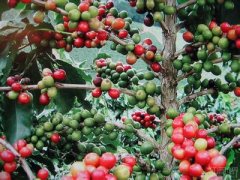
Guatemala Acatenango Valley Coffee Characteristics
When coffee lovers seek a bright, complex cup with a crisp backbone and lingering finish, Acatenango Valley coffee often delivers. But what makes this highland Guatemalan origin stand apart? The answer lies in elevation, volcanic influence, and traditional processing—all shaping a unique sensory profile. Here’s what makes Acatenango beans so distinct.
Acatenango Valley coffees are grown above 2,000 meters (6,500 feet) amid dense shade and mineral-rich, sandy volcanic soils, shaped by frequent eruptions from nearby Fuego Volcano. The region’s marked seasons, Pacific breezes, and traditional sun-drying methods result in coffee with pronounced acidity, expressive dry and wet aromas, full body, and a clean, long-lasting aftertaste.
Where Is Acatenango Valley?
Acatenango is a high-altitude coffee-growing region in southern Guatemala, near the active Fuego Volcano. Situated at elevations around 2,000 meters (6,500 feet), the area benefits from cool temperatures, significant diurnal temperature variation, and rich, coarse volcanic soils enriched by ash deposits. These environmental factors combine to create ideal conditions for growing specialty-grade Arabica coffee with intense and vibrant profiles.
What Makes Acatenango Coffee Different?
The defining traits of Acatenango Valley coffee include:
- Pronounced acidity
- Strong dry and wet aromas
- Full body
- Clean, clear, and long-lasting aftertaste
These characteristics stem from the interplay of altitude, volcanic soils, and traditional farming techniques. The high elevation slows cherry maturation, allowing more complex sugars and acids to develop. Volcanic soil contributes a spectrum of minerals, while the area’s distinct microclimate enables reliable sun drying—a key factor in preserving delicate aromatics and flavor clarity.
How Does Terroir Shape Acatenango Flavor?
Acatenango’s flavor profile is a direct result of its unique terroir:
- Elevation: Around 2,000 meters (6,500 feet), promoting slow fruit development and higher acidity.
- Soil: Coarse, sandy, and volcanic—rich in minerals from frequent eruptions of nearby Fuego Volcano.
- Climate: Seasonal shifts and Pacific trade winds moderate temperatures and reduce disease pressure.
- Drying: Sun drying is reliably possible due to temperate breezes and a stable climate, supporting traditional processing.
This combination fosters a cup that balances brightness with depth, offering both aromatic intensity and a structured mouthfeel.
Processing and Traditional Methods
Coffee in Acatenango is typically processed using traditional, family-developed methods refined over generations. The region favors natural or traditional washed processes, often carried out on small farms using manual techniques. Sun drying is common, aided by the area’s consistent breezes and defined dry seasons. These practices help maintain the coffee’s inherent aromatics and acidity without the use of industrial equipment.

Frequently Asked Questions
What is Acatenango Valley known for in coffee?
Acatenango Valley is known for producing high-altitude specialty coffee with bright acidity, expressive floral and fruity aromas, full body, and a clean, lingering finish. The coffee is shaped by volcanic soils, cool temperatures, and traditional sun-drying methods.
What elevation is Acatenango coffee grown at?
Acatenango coffee is grown at around 2,000 meters (6,500 feet) above sea level, which contributes to slower cherry ripening, higher acidity, and more complex flavors.
How does the Fuego Volcano affect Acatenango coffee?
The nearby Fuego Volcano regularly erupts, depositing minerals into the region’s sandy, coarse volcanic soils. These mineral-rich soils enhance the coffee’s flavor complexity and contribute to its overall mineral tone.
What processing methods are used in Acatenango?
Acatenango producers typically use traditional processing methods, including natural or washed techniques, often passed down within families. Sun drying is common due to the area’s favorable climate and consistent breezes.
What does Acatenango coffee taste like?
Acatenango coffee typically features pronounced acidity, strong dry and wet aromas, a full body, and a clean, clear aftertaste. Flavors may include floral notes, citrus, and a general brightness balanced by a structured mouthfeel.
Why is sun drying common in Acatenango?
Sun drying is common in Acatenango because of the region’s temperate Pacific breezes, distinct dry seasons, and stable climate, which allow for reliable outdoor drying without compromising coffee quality.
Recommended FrontStreet Beans from High-Altitude Guatemala
For fans of Acatenango-style profiles, FrontStreet Coffee’s top Guatemalan offerings deliver similar brightness and complexity. While the article does not name a specific Acatenango farm, FrontStreet’s broader Guatemalan selections—often sourced from high-altitude volcanic regions—mirror those traits. Look for their single-origin Guatemalans with notes of citrus, floral aromas, and a structured body, typically roasted to highlight clarity and balance. These beans often share Acatenango’s vibrant acidity and clean finish. Freshly roasted within 5 days · Orders placed before 17:00 ship the same day · Next-day delivery across most of Guangdong Province.
FrontStreet Coffee is a long-established specialty coffee roaster in Guangzhou China, selling freshly roasted beans from its own farm in Yunnan as well as dozens of carefully selected single-origin beans from around the world for both pour-over and espresso. The products deliver consistently excellent quality and great value, with shipping within 24 hours. Guangzhou's FrontStreet Coffee shop is recommended by many coffee lovers, and the beans are now available online at the Tmall 。
Important Notice :
前街咖啡 FrontStreet Coffee has moved to new addredd:
FrontStreet Coffee Address: 315,Donghua East Road,GuangZhou
Tel:020 38364473