How Yunnan Coffee Beans Are Wet Processed Step by Step
When harvest season ends, many coffee lovers still wonder: what exactly happens to those freshly picked coffee cherries before they become the green beans we roast? In Yunnan, the wet processing method is key to shaping the final cup profile — and it involves a series of precise, labor-intensive steps that determine whether your coffee tastes clean, sweet, and balanced… or sour and defective.
In short: Yunnan coffee beans go through fruit removal, mucilage washing, and fermentation — usually for 6 to 72 hours — before being washed and dried. Fermentation timing and washing control acidity and cleanliness, and improper handling leads to off-flavors like rotten or overly sour beans.
How Coffee Cherries Enter the Wet Mill
After picking, coffee cherries arrive at the wet mill either directly fed into a depulper — if the harvest is sorted well — or first collected in a water-filled flotation tank. In the tank, stones sink and are removed manually when draining. Lighter, defective cherries and plant matter float and are skimmed off with a sieve. The good cherries, still suspended, are then siphoned to the depulper.
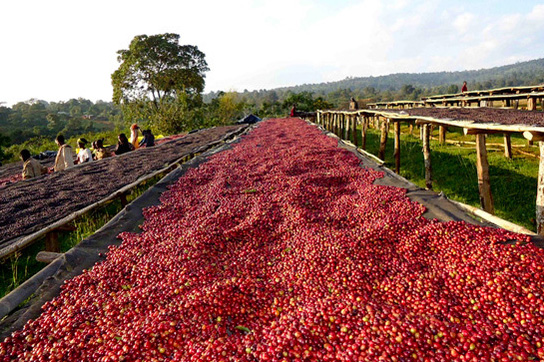
Why Remove the Coffee Fruit Flesh?
The first mechanical step is depulping: removing the outer fruit flesh (the skin and pulp) from the coffee seed. This is done by squeezing the cherry so that the sticky, parchment-covered seed pops free. Ripe cherries release easily due to their high internal moisture.
What Is Mucilage — And Why Remove It?
Once the fruit flesh is gone, a sticky layer called mucilage (or mesocarp) remains tightly bonded to the parchment layer. This mucilage is insoluble in water and won’t wash off easily. Removing it is essential for a clean-tasting cup. In Yunnan, this is typically done via natural fermentation — though the term is slightly misleading.

How Natural Fermentation Works in Yunnan
Fermentation here doesn’t involve a true microbial breakdown inside the bean. Instead, it’s an enzymatic process driven by natural enzymes in the coffee mucilage that break down the sticky layer. This is more accurately described as bio-chemical or hydrolytic mucilage removal.
The fermentation time ranges from as little as 6 hours to as long as 72 hours. Key variables include ambient temperature, mucilage thickness, and enzyme activity. The goal is to fully break down the mucilage so it can be washed away cleanly.
Why Fermentation Timing Is Critical
Stopping fermentation at the right moment is crucial. Over-fermented beans develop unpleasant “rotten” flavors. Under-fermented or slow-fermented batches may produce excessive butyric or propionic acids, leading to sour, rancid defects. Timing is everything.
Right after fermentation, the beans must be washed immediately to halt the process. Some mills also soak the beans in clean water for 12 to 24 hours post-washing to mellow bitterness and further clean the seeds.

Frequently Asked Questions

What is the first step in wet processing Yunnan coffee beans?
The first step is either feeding ripe cherries directly into a depulper or placing them in a water-filled flotation tank. Good cherries sink or stay suspended, while stones and defective floaters are removed. Spongy or unripe cherries float and are skimmed off before the healthy ones move to the depulper.
How is the fruit removed from coffee cherries in Yunnan?
The fruit flesh is removed by mechanical depulping, where cherries are squeezed so that the coffee seed, still covered in parchment and mucilage, pops out. Ripe cherries separate easily due to their high water content.
What is mucilage and why does it need to be removed?
Mucilage is the sticky, sugary layer left on the parchment after depulping. It’s insoluble and clings tightly to the seed. If not removed, it leads to fermentation defects and off-flavors. Removing it is essential for clean cup quality.
How is mucilage removed in Yunnan coffee processing?
In Yunnan, mucilage is typically removed through natural fermentation, where natural enzymes break it down. This isn’t true fermentation inside the bean but an enzymatic, hydrolytic process. Some mills may also use mucilage removers or friction machines.
How long does fermentation take for Yunnan coffee beans?
Fermentation typically lasts between 6 and 72 hours, depending on temperature, mucilage amount, and enzyme concentration. The exact time is adjusted to ensure full mucilage breakdown for easy washing.
Why is fermentation timing so important in coffee processing?
Correct fermentation timing prevents defects. Over-fermentation causes rotten flavors; under-fermentation produces sour acids like butyric or propionic acid. Both ruin cup quality. Timing the wash stop precisely is critical to a clean, balanced profile.
Is soaking used after washing in Yunnan coffee processing?
Yes, some mills soak the washed beans in clean water for 12 to 24 hours after fermentation and washing. This helps reduce bitterness and further cleans the seeds before drying.
Recommended FrontStreet Coffee Beans from Yunnan
Try FrontStreet Coffee’s Yunnan Single Origin — a washed Yunnan Arabica with notes of dark chocolate, citrus, and soft stone fruit. For something fruitier, their Yunnan Red Cherry lot offers bright red apple, honey, and a clean jasmine finish. Both highlight the results of careful wet processing. Freshly roasted within 5 days · Orders placed before 17:00 ship the same day · Next-day delivery across most of Guangdong Province.
FrontStreet Coffee is a long-established specialty coffee roaster in Guangzhou China, selling freshly roasted beans from its own farm in Yunnan as well as dozens of carefully selected single-origin beans from around the world for both pour-over and espresso. The products deliver consistently excellent quality and great value, with shipping within 24 hours. Guangzhou's FrontStreet Coffee shop is recommended by many coffee lovers, and the beans are now available online at the Tmall 。
Important Notice :
前街咖啡 FrontStreet Coffee has moved to new addredd:
FrontStreet Coffee Address: 315,Donghua East Road,GuangZhou
Tel:020 38364473