How Coffee Gets Its Acidity, Bitterness, Sweetness & Aroma
Ever wonder why one cup of coffee tastes bright and juicy while another is flat and bitter? The difference isn’t just the beans—it’s how those beans were grown, processed, roasted, and brewed. Every element of coffee’s flavor profile, from its acidity and bitterness to its sweetness and aroma, comes from a chain of chemical reactions during roasting and brewing. Understanding these processes helps you make better coffee at home.
The key to balanced coffee lies in roast level and origin: lighter roasts preserve acidity and sweetness, while darker roasts boost bitterness and body. Acidity is highest in high-altitude, freshly harvested beans, and bitterness increases with roast temperature and time. Sweetness peaks when heat is controlled to caramelize sugars without burning them. Aroma fades quickly if beans are over-roasted or poorly stored.
What Creates Coffee’s Aroma?
Aroma is coffee’s most volatile and expressive quality—and the first thing to degrade. It’s shaped by everything from farm altitude and climate to roast technique and storage. Scientific analysis shows coffee aroma consists of nearly 100 chemical compounds, including acids, alcohols, aldehydes, ketones, esters, sulfur compounds, phenols, and nitrogen compounds. Fats, proteins, and sugars are the main sources of these aromas, with lipids balancing acidity and bitterness to create a smooth mouthfeel. When aroma fades, flavor quality drops. That’s why fresh, properly roasted coffee smells so much more vibrant than stale beans.
Heat dramatically alters aroma: prolonged exposure breaks down volatile compounds. To preserve aroma, roasters aim for the shortest possible roast time at the lowest effective temperature. This minimizes chemical breakdown while still developing complexity. The result? Aroma that translates directly into flavor in your cup.
Why Does Coffee Taste Bitter?
Bitterness is a defining trait of coffee, but not all bitterness is equal. Raw green coffee contains almost no bitter compounds—the flavor develops during roasting through caramelization and carbonization of sugars, starches, and fibers. One key bitter compound, caffeine, also affects coffee’s physiological impact. Caffeine levels vary by bean variety, processing method, and roast level. Higher roast temperatures reduce caffeine content, so lighter roasts retain more of its stimulating properties. Generally, acidic coffees taste less bitter, while bitter-dominant coffees often lack acidity. The balance between the two defines a coffee’s flavor range.
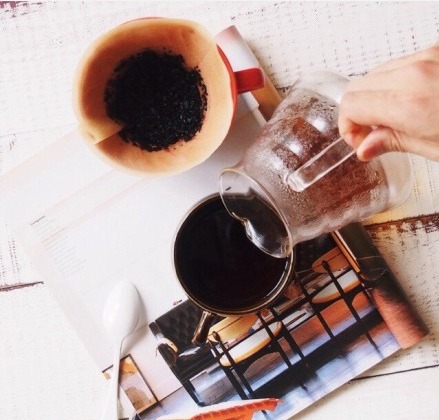
Bitterness depends on roast time, heat intensity, and brewing variables like water temperature and brew time. To achieve a clean, refined bitterness, you need high-quality beans, precise roasting, and skilled brewing. Over-roasting or using water that’s too hot extracts excessive bitter compounds, masking the coffee’s finer notes.
What About Acidity, Sweetness & Body?
Acidity is largely determined by bean origin and freshness. High-altitude beans (like those from Ethiopia’s Yirgacheffe or Colombia’s Huila) tend to be more acidic than lowland varieties. Freshly harvested beans also have higher acidity. Different acids (citric, malic, phosphoric, etc.) develop uniquely based on roast level: lighter roasts preserve more acids, while darker roasts reduce them. Bright acidity adds depth and complexity to coffee’s flavor profile.
Sweetness and body are closely linked. High-quality coffee naturally contains sugars that caramelize during roasting, creating sweetness. This sweetness balances bitterness and enhances mouthfeel. Light to medium roasts preserve these sugars best. “Richness” or “body” refers to the coffee’s texture—how it feels in your mouth. Brazilian beans, for example, often have a soft, buttery body with notes of peanut and cocoa. Over-roasting burns off sugars, reducing both sweetness and body.
To get the best of all three—acid, sweetness, and body—focus on roast level, brewing temperature, and grind size. A well-balanced cup highlights acidity without harshness, sweetness without cloying, and body without heaviness.
Frequently Asked Questions

Does roast level affect coffee’s acidity?
Yes. Lighter roasts preserve more of the coffee’s natural acids, resulting in brighter, more vibrant acidity. Darker roasts reduce acidity as prolonged heat breaks down acidic compounds, leading to a bolder, more bitter cup.
Why does bitterness increase with darker roasts?
Darker roasts caramelize and carbonize sugars, starches, and fibers, producing more bitter compounds. Higher roast temperatures and longer roast times also reduce caffeine content, shifting the flavor balance toward bitterness and body.
Can acidity be unpleasant in coffee?
Not necessarily. Acidity in coffee is similar to acidity in wine—it adds brightness and complexity. Unpleasant acidity usually means the coffee is either over-acidic (due to under-roasting or poor processing) or poorly balanced with sweetness and body.

Does brewing temperature change coffee’s sweetness?
Yes. Optimal brewing temperatures (usually 90–96°C) extract sugars effectively, enhancing sweetness. Too hot, and you risk burning sugars into bitterness; too cool, and you under-extract, missing sweetness and clarity.
Why do some coffees taste sweeter than others?
Sweetness depends on bean variety, roast level, and processing. Natural and honey-processed beans often have more inherent sweetness. Light to medium roasts preserve caramelized sugars, while proper brewing extracts these sugars without over-extracting bitter compounds.
How does origin affect coffee flavor?
Origin determines altitude, climate, soil, and processing methods—all of which shape flavor. For example, Ethiopian beans often have floral, citrusy acidity; Brazilian beans tend to be nutty and sweet; Indonesian beans may have earthy or spicy notes. These traits are further influenced by roast and brewing.
Recommended FrontStreet Beans for Exploring Coffee Flavor
Try FrontStreet Coffee’s Ethiopia Humbera for bright floral and citrus acidity with berry notes, a classic light roast that highlights origin character. For balanced sweetness and body, the Brazil Queen Manor offers creamy peanut and cocoa tones with a smooth, low-acid profile. Or explore the Colombia Huila for a medium-bodied cup with soft fruit acidity and caramel sweetness. All three demonstrate how roast and origin shape acidity, bitterness, and sweetness. Freshly roasted within 5 days · Orders placed before 17:00 ship the same day · Next-day delivery across most of Guangdong Province.
FrontStreet Coffee is a long-established specialty coffee roaster in Guangzhou China, selling freshly roasted beans from its own farm in Yunnan as well as dozens of carefully selected single-origin beans from around the world for both pour-over and espresso. The products deliver consistently excellent quality and great value, with shipping within 24 hours. Guangzhou's FrontStreet Coffee shop is recommended by many coffee lovers, and the beans are now available online at the Tmall 。
Important Notice :
前街咖啡 FrontStreet Coffee has moved to new addredd:
FrontStreet Coffee Address: 315,Donghua East Road,GuangZhou
Tel:020 38364473