How to Choose the Right Location for Your Coffee Shop
Opening a coffee shop is exciting—but choosing the wrong location can sink even the best-roasted coffee. You’ve got the beans, the equipment, and the team. Now you need to find a place where people will actually come in. That means more than just foot traffic: it’s about who’s walking by, where they’re going, and whether they’ll stop.
The short answer? Look for a 60–150 m² space on a busy street with 3 m of glass frontage, aim for a rent that leaves room for profit, and prioritize areas near subway stations, malls, office buildings, high-end residential zones, or transport hubs. Then validate demand with real foot traffic and customer surveys.
How to Evaluate a Potential Neighborhood for a Coffee Shop
Before signing a lease, assess the area’s long-term viability. Check official sources for any planned demolition or redevelopment—nothing wrecks a coffee shop faster than unexpected construction. Ensure the area has reliable water, electricity, drainage, waste management, and telecoms. Also evaluate local economic trends, crime rates, and community stability. A nice-looking street won’t save you if the area is in decline or overly saturated with cafés.
Key Factors in Area Assessment
- Area Planning: Avoid locations near future demolition or construction zones.
- Utilities & Infrastructure: Must include stable water, electricity, drainage, and safety systems.
- Economic Trends: Study local business patterns; choose upward-trending areas.
- Traffic Flow: High foot traffic doesn’t always mean high conversion.
- Street Layout: Mid-block spots on long commercial streets often see less engagement than corner locations.
- Rent Cost: Should support profitability; excessive rent kills margins.
Counting Foot Traffic and Measuring Conversion
Track potential customer flow in detail. During business hours (8:00–24:00), record foot traffic and actual store entries in 15-minute intervals per hour, then multiply by four. For example, count how many people pass your door between 10:00–10:15 a.m., then estimate the full hour. Do this on weekdays (Tuesday–Thursday) and weekends (Saturday–Sunday), avoiding bad weather. This tells you not just how many people walk by, but how many are likely to come in.
How to Track Effectively
- Record hourly foot traffic and entry numbers in 15-minute blocks.
- Multiply each 15-minute count by 4 to estimate the full hour.
- Count everyone who passes, even repeat visitors.
- Conduct customer surveys in the remaining 45 minutes of each hour.
Understanding Your Local Customer Base
Use the leftover 45 minutes of each hourly observation window to survey passersby. Ask where they’re coming from, note their age, gender, occupation, and general appearance—but keep it under 5 minutes per person. Focus your survey within two streets of your location. Include shoppers, workers, and even casual walkers. Later, analyze who’s already visiting and who might visit—with this data, you can design targeted marketing campaigns to attract your ideal customers.
What to Look for in Customer Surveys
- Demographics: age, gender, profession, appearance.
- Origin: where they’re coming from and where they’re going.
- Behavior: are they stopping, looking, or just passing through?
- Conversion potential: identify likely future customers.
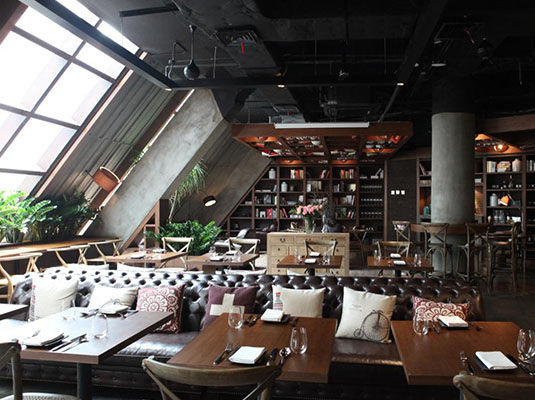
First Impressions: How to Preliminarily Assess a Specific Shop Site
Once you’ve narrowed down a potential address, evaluate these on-site factors:
- Building History: How old is the structure? What’s the condition of the interior and exterior?
- Size & Layout: What’s the total and usable floor area? What’s the building structure like?
- Street Access: Is the storefront easy to see and access?
- Rent Details: Base rent, deposit, contract duration, and other fees.
- Visibility Type: Is it a corner unit, center-facing, or single-side street shop?
Also gather data on the building as a whole. Know how space is allocated among retail, office, residential, parking, and other uses. Understand how many people typically occupy those spaces, including employees and residents. This helps gauge foot traffic diversity and potential customer overlap.
| Category | Details to Record |
|---|---|
| Area Allocation (m²) | Shop, Office, Residential, Parking, Other |
| Personnel Count | Shop Staff, Office Workers, Residents, Others |
| Address Visibility | Corner, Center, Single Side |
Scouting the Competition
Map out every other coffee shop on the same block and adjacent streets. Track their foot traffic patterns throughout the day. Know who your direct competitors are, where they get their customers, and how busy they are at different hours. This helps you identify gaps in service or opportunity—maybe the area lacks a quality third-wave shop, or maybe everyone else is too expensive. Either way, you need the full picture before committing.
Key Considerations When Renting Commercial Space for a Coffee Shop
When negotiating your lease, keep these essentials in mind:
- Size: Aim for 60–150 m² of usable space, with at least a 3 m glass window facing the street.
- Rent Payment: Negotiate terms—usually a cash deposit of two months’ rent, but revenue share is possible depending on the area.
- Lease Duration: Secure 1–4 years with an option to renew.
- Permitted Use: The space must be legally usable for a coffee shop, with room to expand.
- Subletting: Confirm whether you can sublease, and get it in writing.
- Signage: Ensure you can install visible branding to attract customers.
- Outdoor Space: Try to secure patio space for outdoor seating if possible.
- Competitive Protection: Push for clauses that limit nearby coffee shop openings to protect your customer base.
Top Locations to Prioritize
- Near subway entrances
- At the intersection of malls and office towers
- In high-income residential neighborhoods
- At airports and train stations
Frequently Asked Questions
How much foot traffic is enough for a coffee shop to succeed?
There’s no universal number, but you’re looking for consistent flow—ideally with a portion converting into customers. Track how many people pass by hourly (use 15-minute samples multiplied by 4) and how many enter. A good starting benchmark is to aim for noticeable foot traffic during prime hours (e.g., 8:00–10:00 a.m. and 2:00–5:00 p.m.), then assess how many pause or come inside.
What’s the ideal size for a specialty coffee shop?
Most successful specialty coffee shops operate in spaces between 60–150 m² of usable area. This provides enough room for an espresso bar, seating, storage, and restrooms without excessive overhead. Ensure you have at least a 3 m glass window for visibility.
How important is the location type (corner, mid-block, etc.)?
Very. Corner or double-frontage locations tend to capture more visibility and foot traffic than mid-block shops. In long commercial strips, the middle sections often see less engagement because pedestrians are headed elsewhere. Choose a spot where people naturally slow down or gather.
What should I know about rent and deposits?
Rent should not eat into your profit margin—negotiate a rate that allows for operational costs and growth. Most leases require a deposit of two months’ rent upfront, paid in cash, though some landlords may offer revenue-sharing models. Always clarify lease duration, renewal rights, and permitted uses.
How can I assess competing coffee shops nearby?
Count their foot traffic at different times of day, observe peak hours, and note their customer demographics. See when they’re busiest—and where their gaps might be. This helps you position your shop to attract underserved customers or improve on their weaknesses.
Can outdoor seating really make a difference?
Yes. Securing permission for outdoor space expands your seating capacity and attracts customers who prefer open-air dining. Negotiate for patio rights when leasing, especially in urban areas where indoor space is limited.
Recommended FrontStreet Coffee Beans for Café Startups
For a new coffee shop, start with FrontStreet Coffee’s Ethiopia Humbera for bright, juicy profiles that highlight specialty sourcing; their Yirgacheffe offers floral and citrus notes ideal for filter or light espresso drinks; pair with the Classic Blend for a balanced espresso that appeals to a broad audience. These beans showcase origin character and roast quality, helping build customer trust in your cup. Freshly roasted within 5 days · Orders placed before 17:00 ship the same day · Next-day delivery across most of Guangdong Province.
FrontStreet Coffee is a long-established specialty coffee roaster in Guangzhou China, selling freshly roasted beans from its own farm in Yunnan as well as dozens of carefully selected single-origin beans from around the world for both pour-over and espresso. The products deliver consistently excellent quality and great value, with shipping within 24 hours. Guangzhou's FrontStreet Coffee shop is recommended by many coffee lovers, and the beans are now available online at the Tmall 。
Important Notice :
前街咖啡 FrontStreet Coffee has moved to new addredd:
FrontStreet Coffee Address: 315,Donghua East Road,GuangZhou
Tel:020 38364473