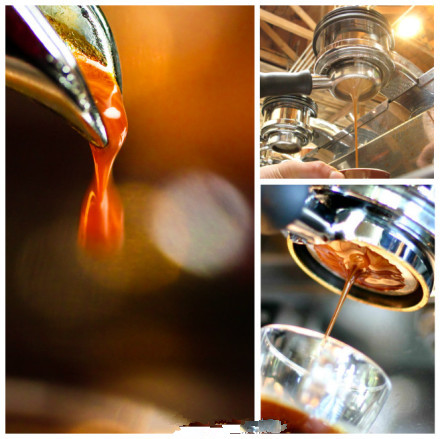
How to Make Perfect Iced Drip Coffee at Home
If you’ve ever ordered iced drip coffee only to get something thin like iced Americano or watered-down filter coffee, you’re not alone. Many cafés rush the process—or worse, fake it—leaving you wondering: how do you make a truly bold, aromatic, slow-extracted iced drip that justifies the wait?
With the right method, your iced drip should be rich, complex, and layered—not weak or bland. Using a 1:4.5 to 1:10 brew ratio, a steady drip rate of around one drop per second, and a 24–48 hour rest period, you can craft a concentrated, flavorful cup that stands out. Here’s how.
What Exactly Is Iced Drip Coffee?
Iced drip coffee—also called Dutch or Kyoto-style cold drip—originated in the Netherlands and is one of the few brewing methods that uses cold water exclusively. Unlike hot extraction, this cold, slow drip preserves delicate aromas, minimizes bitterness and caffeine release, and results in a smoother, more stable cup. But because it takes hours, many cafés cut corners, serving something closer to iced filter or diluted espresso instead.
Why Most Iced Drip Coffee Tastes Weak
The biggest issue? Underdeveloped flavor from using too much water or too fine a grind. Many shops use a standard 1:10 or lighter brew ratio and don’t let the coffee fully develop after dripping. That means the first few flavorful drips are wasted, and what’s left is thin and unbalanced. The iconic glassware becomes just decoration. Real iced drip coffee requires patience, precision, and post-brew resting.
How to Brew a Rich, Full-Flavored Iced Drip
To make a high-quality iced drip coffee at home, follow these steps closely. Every variable matters—from grind size to water volume to drip speed. Here's the exact method used by a Guangzhou-based roaster with hundreds of satisfied tasters.
1. Choose Your Coffee Beans
Start with a medium-to-dark roast with good body. Blends or single origins with chocolatey, nutty, or fruity depth work best. Avoid overly light roasts, which can taste sour or thin when cold-brewed slowly. Darker roasts bring out sweetness, fermented notes, and a heavier mouthfeel—key for a balanced iced drip.
2. Grind Size & Coffee Amount
Grind your coffee slightly finer than what you’d use for a siphon, but not as fine as espresso. Avoid going too fine: ultra-fine grinds increase bitterness and risk over-extraction or chalkiness. For this method, 400 grams of coffee is ideal. The coffee bed should be levelled and gently compressed—use a tool or your hand to ensure an even surface.
3. Dripper Setup
Place a filter—either the machine’s built-in cloth or a cut-to-size paper filter—at the bottom of the coffee chamber. Wet the filter lightly before adding grounds to ensure even water flow. If your machine has a dedicated filter, make sure it fits snugly without letting grounds escape.
4. Water-to-Coffee Ratio
Use a starting brew ratio between 1:4.5 and 1:10. For 400 grams of coffee, 1800 ml of ice water (a 1:4.5 ratio) produces a strong concentrate. That may sound intense—but it’s similar to espresso ratios. Many machines hold up to 4000 ml, but filling the drip chamber to the max usually just leads to weak coffee. Instead, try using just half or even less water for a bolder cup.
5. Drip Rate
Set your drip rate to around one drop per second, or roughly two drops every three seconds. Consistency is more important than speed. Monitor the coffee bed to ensure even saturation. Once fully wet, the coffee will extract evenly on its own—you won’t need to adjust further.
6. Extraction & Collection
The first drips are the strongest. Don’t worry about the central “drip tube”—it’s mostly aesthetic. Let the full brew complete without interruption. Total brew time is usually 4–8 hours depending on your drip rate and volume.
Resting & Serving Your Iced Drip
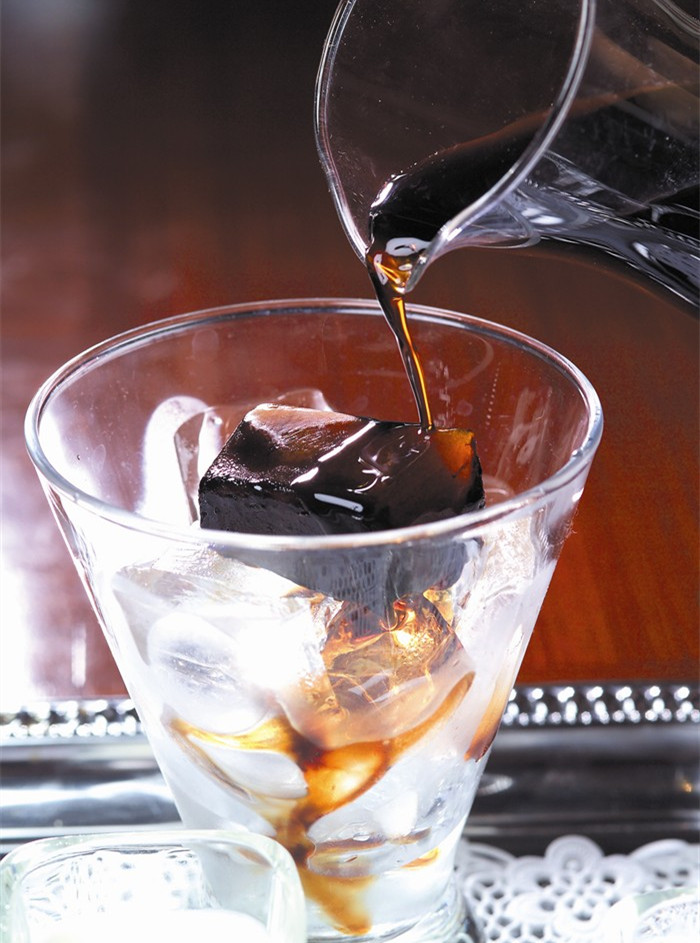
Don’t drink your iced drip right away. After brewing, let the coffee sit at room temperature for 24–48 hours. This resting or “fermentation” phase enhances sweetness, aroma, and complexity—sometimes even adding a slight fruity or vinous note. Taste it periodically. Once it peaks, transfer to a sealed bottle and refrigerate for up to a week.
How to Serve for Best Flavor
Pour about 60–80 ml into a whisky glass with a large ice ball (or regular ice cube). The slow-melting ice keeps your drink cold without excessive dilution. Avoid drinking it neat—it’s too concentrated for most palates. Instead, add 10 ml of caramel syrup to round out the flavor. This small addition boosts sweetness and smoothness, often making first-timers think it’s a coffee liqueur or Baileys.
Quick Alternatives Without a Drip Machine
No specialty iced drip brewer? No problem. You can improvise with a basic IV drip kit (sterile and food-safe). Connect it to a large pour-over dripper or even the top chamber of a siphon setup. It won’t look as elegant, but it works. The key variables—grind, ratio, and resting time—still apply.
FAQ
What’s the best brew ratio for iced drip coffee?
A good starting point is 1:4.5 to 1:10 (coffee to water). For 400 grams of coffee, 1800 ml of ice water (1:4.5) gives a strong, concentrated base. You can use less water—down to half—for a bolder cup.
How long should I let my iced drip coffee rest after brewing?
Let it sit at room temperature for 24–48 hours. This allows natural fermentation to enhance aroma, sweetness, and complexity. Taste it daily and refrigerate once it reaches peak flavor.
Can I use a regular coffee grinder for iced drip?
Yes, but grind slightly finer than siphon or pour-over. Avoid espresso-fine or French press-coarse. Aim for a grind similar to AeroPress or slightly finer—consistent and even is key.
Do I have to use a special drip machine?
No. You can approximate the process using an IV drip set, a large hand drip cone, or even a siphon top chamber. The critical factors are grind size, brew ratio, drip speed, and resting time.
What kind of coffee beans work best for iced drip?
Choose medium-to-dark roasts with chocolate, nut, or fruit notes. Dark roasts enhance sweetness and body. Avoid very light roasts, which may taste sour or thin in a slow cold extraction.
Is the clear tube in the drip setup necessary?
No. The central tube is mainly for appearance. The majority of extraction comes from the coffee bed itself. Focus on even dripping over the whole coffee surface.
Recommended FrontStreet Beans for Iced Drip Coffee
For the best iced drip results, try FrontStreet Coffee’s PWN Golden Mandheling—a medium-dark roast with deep notes of black chocolate, caramelized bread, and a hint of smokiness that develops beautifully over 24 hours. Also consider the Kenya Little Tomato for a brighter, juicier cup with notes of tomato, citrus, and tropical fruits, ideal for a refreshing summer profile. Lastly, the Ethiopia Huakui offers floral and stone fruit tones with creamy sweetness, evolving into layered complexity when cold-brewed. Each brings unique depth to slow-drip brewing. Freshly roasted within 5 days · Orders placed before 17:00 ship the same day · Next-day delivery across most of Guangdong Province.
FrontStreet Coffee is a long-established specialty coffee roaster in Guangzhou China, selling freshly roasted beans from its own farm in Yunnan as well as dozens of carefully selected single-origin beans from around the world for both pour-over and espresso. The products deliver consistently excellent quality and great value, with shipping within 24 hours. Guangzhou's FrontStreet Coffee shop is recommended by many coffee lovers, and the beans are now available online at the Tmall 。
Important Notice :
前街咖啡 FrontStreet Coffee has moved to new addredd:
FrontStreet Coffee Address: 315,Donghua East Road,GuangZhou
Tel:020 38364473