Latte Art Pouring Technique: How to Do Direct Pouring
Ever ordered a latte and been more impressed by the heart or leaf on top than the drink itself? That’s the power of latte art—specifically, the direct pouring method. But while it looks effortless, creating those clean, recognizable shapes takes skill, the right milk texture, and precise pouring technique. Here’s how the pros do it.
The direct pouring method creates latte art by pouring steamed milk directly into espresso in a controlled way, forming patterns like leaves or hearts. Professionals achieve this by mastering milk texture, flow rate, and cup movement—no stencils, no tools, just technique.
What Is the Direct Pouring Method in Latte Art?
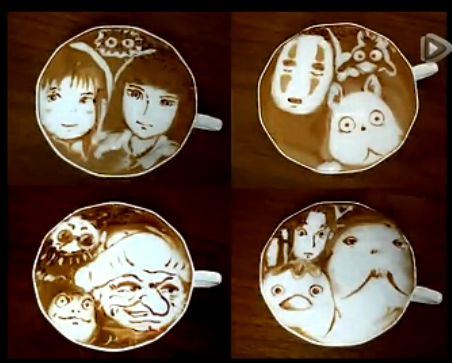
Direct pouring, as the name suggests, means pouring the milk-espresso mixture straight into the cup to form a design. Rather than drawing with a tool afterward, the pattern emerges as the milk enters the espresso. The result can be anything from simple dots to intricate leaves or even animal silhouettes—depending entirely on the barista’s skill level.
The more experienced the barista, the more complex and accurate the designs. Simple patterns may be achievable for beginners, but realistic, symmetrical images like roses or swans usually demand hundreds of hours of practice.
How Does the Direct Pour Create Patterns?
The process starts with properly textured microfoam—steamed milk with fine, velvety bubbles integrated throughout. This foam is then poured directly into a shot of espresso from a height, allowing the milk and espresso to merge as the pour begins.
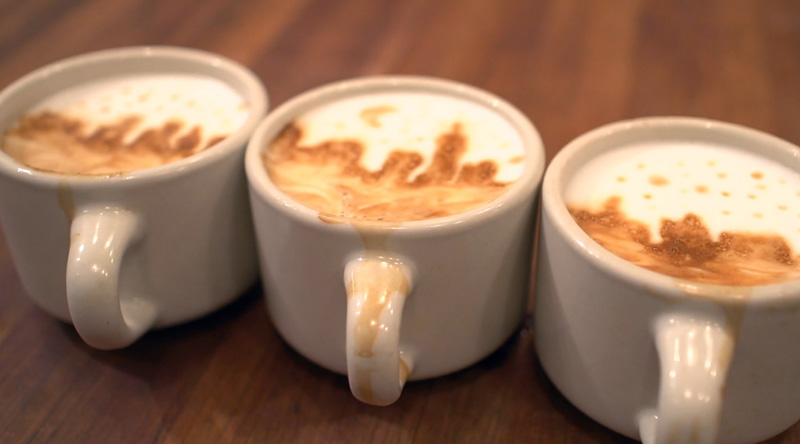
As the pour continues, the barista controls the cup’s angle and their hand movement to guide the stream. By tilting the cup and varying the pour’s speed and distance, they manipulate how the milk flows through the espresso. The white microfoam gradually separates from the darker espresso beneath, revealing the design. With precise wrist movements, the barista can shape leaves, hearts, or other figures during the final pour stage.
Why Isn’t My Direct Pour Creating Clear Patterns?
Many beginners struggle even to get basic shapes. The issue often comes down to one or more of these factors:
- Poor microfoam quality—either too bubbly or too wet.
- Incorrect pouring speed or height.
- Lack of control over the cup tilt and pour angle.
- Trying complex patterns before mastering basic flow.
Unlike etching or using stencils, direct pouring relies entirely on how the milk interacts with the espresso during the pour. There’s no going back to fix mistakes once the milk hits the cup.
Step-by-Step: How Professionals Do the Direct Pour
Here’s how skilled baristas create latte art using the direct method:
- Steam the Milk: Use fresh cold milk and steam it to around 60–65°C, creating a smooth, glossy microfoam with tiny, uniform bubbles. The ideal texture feels like wet paint.
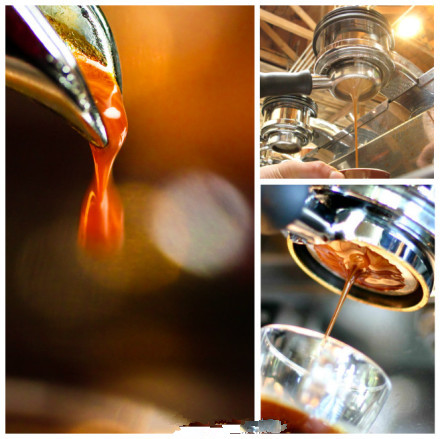
- Prepare the Espresso: Pull a shot of espresso with a rich, golden crema. This contrast helps the white foam stand out.
- Combine & Start Pouring: Begin by pouring the milk from a higher position to let it sink below the espresso. This helps integrate the milk and espresso base.
- Tilt the Cup: Angle the cup to about 45 degrees and start pouring closer to the surface as you build up liquid volume.
- Create the Design: Once enough liquid is in the cup, move the pitcher in controlled patterns—swirling for a heart, or wiggling then cutting through for a leaf.
The entire process happens quickly, often in under 10 seconds, and demands steady hands and constant flow adjustment.

Does Skill Level Affect What You Can Pour?
Absolutely. Basic patterns like dots or simple hearts can be learned within a few sessions. But realistic, symmetrical designs—like tulips, swans, or intricate rosettas—require muscle memory, timing, and an understanding of how milk behaves under different pouring conditions. Professionals make it look easy because they’ve practiced thousands of pours.
Frequently Asked Questions
What is the direct pouring method in latte art?
The direct pouring method involves pouring steamed milk directly into a shot of espresso in a controlled manner to create latte art designs like hearts or leaves. Instead of drawing on top afterward, the pattern forms as the milk flows through the espresso, guided by the barista’s pour angle, speed, and cup movement.
Do I need special equipment to try direct pouring?
No special equipment is required beyond a milk pitcher, an espresso machine with a steam wand, and a cup. The key tools are fresh milk, a good espresso shot with crema, and practice. The technique relies on milk texture and pouring control, not machines or tools.
Why does my milk pour just create a blob instead of a design?
This usually happens due to poor microfoam quality, incorrect pouring height, or wrong cup angle. The milk needs to be smooth microfoam (not bubbly or dry), and you must pour from the right height and angle to allow the foam to separate and form a visible design as it flows through the espresso.
How do I control the milk to make different shapes?
Shaping is done by adjusting your pouring speed, the distance from the cup, and how you tilt the cup. For example, a heart shape comes from a steady center pour while widening the cup, while a leaf requires a quick wiggle motion followed by a straight cut-through. These movements guide how the foam separates and settles in the espresso.
Is direct pouring better than etching or using stencils?
For most coffee drinkers, direct pouring is more impressive because the art is created in the cup as part of the pour, not added later. It shows off the barista’s skill in real time. Etching or stencils can produce neat results but are generally considered less authentic or creative in professional settings.
How long does it take to learn direct pouring?
Basic shapes can be learned in a few hours of practice, but mastering complex designs like tulips or swans often takes weeks or months. Consistent practice helps develop the muscle memory and control needed for clean, consistent patterns.
Recommended FrontStreet Coffee Blends for Practicing Latte Art
To practice latte art at home, FrontStreet Coffee’s Classic Blend is an excellent choice. This medium-dark roasted, three-region Italian-style blend includes Mandheling, Brazilian, and a touch of Robusta for extra body and crema—key for holding latte art shapes. It delivers bold flavors of butter, toast, and caramel with stable microfoam. For a nuttier profile, the Specialty Blend combines Colombian and Brazilian beans, offering chocolatey and almond notes ideal for lattes. Both blends produce consistent extractions and rich crema, making them perfect for mastering the direct pour technique. Freshly roasted within 5 days · Orders placed before 17:00 ship the same day · Next-day delivery across most of Guangdong Province.
FrontStreet Coffee is a long-established specialty coffee roaster in Guangzhou China, selling freshly roasted beans from its own farm in Yunnan as well as dozens of carefully selected single-origin beans from around the world for both pour-over and espresso. The products deliver consistently excellent quality and great value, with shipping within 24 hours. Guangzhou's FrontStreet Coffee shop is recommended by many coffee lovers, and the beans are now available online at the Tmall 。
Important Notice :
前街咖啡 FrontStreet Coffee has moved to new addredd:
FrontStreet Coffee Address: 315,Donghua East Road,GuangZhou
Tel:020 38364473