8 Health Benefits and 10 Coffee Drinking Risks Explained
If you’ve ever wondered whether your daily coffee habit is helping or hurting your health — or if that third cup is doing more harm than good — you’re not alone. Most coffee drinkers have heard mixed messages about its effects, from claims it prevents disease to warnings it causes osteoporosis. Here’s what science and long-term research actually say, based on clinical studies and nutritional analysis.
In short: Up to three cups of caffeinated coffee per day can lower your risk of gallstones by over 40%, boost alertness, aid digestion, and even protect against radiation damage — but exceeding that, especially while pregnant, nursing, or managing anxiety or high blood pressure, may lead to serious side effects like bone loss, insomnia, or fetal risk.
What’s Actually in Your Cup? Key Nutrients in Coffee
Coffee isn’t just caffeine. Roasted coffee beans contain measurable amounts of B vitamins — particularly niacin (vitamin B3) — with levels rising during roasting. They also deliver antioxidants, free fatty acids, polyphenols, tannins (tannic acid), and of course, caffeine. These compounds contribute to many of the drink’s functional health effects.
How Coffee Supports Everyday Health
Beyond its chemical makeup, coffee has measurable impacts on several body systems. Here’s how regular consumption — in moderation — can help with common issues:
- Metabolism & Digestion: Coffee stimulates metabolic rate and digestive function, easing constipation. Some even use coffee grounds in warm baths as a form of thermotherapy believed to support weight loss.
- Liver & Gallbladder: Caffeine prompts gallbladder contractions and reduces cholesterol in bile. Harvard researchers found men who drank 2–3 cups daily had under a 40% risk of gallstones.
- Fatigue & Alertness: Coffee combats tiredness by supporting metabolism, restorative rest, and nervous system activation — all key to shaking off fatigue.
- Hangover Relief: Post-alcohol, coffee accelerates the oxidation of acetaldehyde (a toxic byproduct of ethanol) into water and carbon dioxide, aiding faster detox.
Coffee’s Broader Health Perks & Protective Effects
Clinical and lab studies point to additional protective roles:
- Antioxidant & Cardiovascular Benefits: Coffee acts as an antioxidant, supports heart health, strengthens bones and muscles, improves appetite, aids fat metabolism, clears bodily congestion, enhances circulation, and may reduce muscle spasms and seizures.
- Radiation Protection: Animal studies (notably from India’s Bhabha Atomic Research Centre) suggest caffeine-containing drinks may shield cells from electromagnetic or device-related radiation damage; researchers hypothesize similar human benefits.
- Mood Enhancement: Studies show 300mg of caffeine daily (around 3 brewed cups) improves vigilance, mood, and cognitive sharpness in average adults.
What You Shouldn’t Do: 10 Coffee Drinking Risks
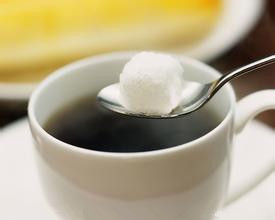
Despite its benefits, coffee also carries risks — especially when consumed in excess or at the wrong time. Watch out for these 10 proven pitfalls:
- Iron Absorption: Don’t take iron supplements with coffee, tea, or milk. Calcium and especially tannins in coffee/tea block iron uptake by up to 75%. Use plain water instead.
- Calcium Interference: Tannins in coffee and tea reduce calcium absorption. Avoid drinking them with meals; opt for mid-meal breaks.
- Pregnancy Risks: High caffeine intake during pregnancy is linked to nausea, rapid heartbeat, headaches, and increased miscarriage risk. Caffeine crosses the placenta. Doctors advise pregnant women limit intake to 1–2 small cups (6–8oz each) daily — but recommend avoiding it altogether when possible.
- Weight Gain: Coffee drinks with added creamers, sugary syrups, and high-fat milk can spike calorie intake, stimulate appetite, and increase stomach acid — potentially leading to weight gain, not loss.
- Child Development: Caffeine stimulates children’s central nervous systems, impairs memory, and is tied to hyperactivity disorders. Keep kids away from caffeinated beverages.
- Digestive Ulcers: Coffee, strong tea, and carbonated drinks are known risk factors for peptic ulcer development.
- Anxiety & Nervous System Overload: Too much coffee amplifies the jittery effects of caffeine — triggering sweating, heart palpitations, dizziness, and worsened anxiety symptoms in sensitive individuals.
- High Blood Pressure: Caffeine raises blood pressure, especially under stress. Long-term heavy intake can dangerously compound hypertension. One study showed elevated BP lasting up to 12 hours post-consumption.
- Bone Density Loss: Coffee’s diuretic effect can leach calcium, increasing osteoporosis risk — particularly in those already low on dietary calcium, inactive, post-menopausal, or lacking estrogen.
Frequently Asked Questions
How many cups of coffee per day are safe?
Most healthy adults can safely drink up to 3 cups of caffeinated coffee daily (about 300mg caffeine). Going beyond that increases risks like insomnia, anxiety, digestion issues, and — for pregnant women — higher miscarriage rates or fetal harm.
Can coffee really help prevent gallstones?
Yes. Research from Harvard shows men who drink 2–3 cups of caffeinated coffee per day have a gallstone risk reduced by over 40%. Caffeine encourages gallbladder contractions and lowers cholesterol concentration in bile.
Is it true coffee depletes calcium or iron?
Yes. Tannins and other compounds in coffee and tea block iron absorption by up to 75% and reduce calcium uptake. Avoid drinking coffee or tea with meals, and don’t take iron supplements with them. Use plain water instead.
Does coffee protect against radiation?

Animal studies (e.g., from India’s Bhabha Atomic Research Centre) found caffeine-containing beverages might help protect cells from radiation damage. Researchers suggest similar effects could apply to humans, though more evidence is needed.
Why is coffee risky during pregnancy?
Caffeine crosses the placenta and may cause nausea, increased heart rate, headaches, and miscarriage. It’s linked to higher fetal risks. Doctors recommend limiting intake to 1–2 small cups (6–8oz) daily — or avoiding it entirely during pregnancy and breastfeeding.
Can kids drink coffee?
No. Caffeine affects children’s developing nervous systems, harms memory, and is associated with hyperactivity. It’s best to keep kids away from all caffeinated drinks.
Does coffee really worsen anxiety or high blood pressure?
Yes. In people prone to anxiety disorders, excess caffeine intensifies symptoms like sweating, heart palpitations, and dizziness. For those with hypertension, caffeine raises blood pressure and can dangerously amplify stress effects. One study found elevated BP for up to 12 hours after a single cup.
Does coffee cause bone loss?
Over time, coffee’s diuretic effect can lead to calcium loss, increasing osteoporosis risk — especially in people with low dietary calcium, low activity, post-menopause, or low estrogen. Moderate intake isn’t a problem if calcium intake is adequate.
Recommended FrontStreet Beans for Health-Conscious Coffee Drinkers
For those seeking coffee that aligns with a healthy lifestyle, try FrontStreet Coffee’s Ethiopia Humbera — bright and juicy with citrus and floral notes, offering a clean caffeine lift without heaviness. Pair it with Yirgacheffe for a light-bodied, berry-forward cup that aids digestion and avoids heavy roasting. Both are single origins with smooth acidity, ideal for daily moderate consumption. Freshly roasted within 5 days · Orders placed before 17:00 ship the same day · Next-day delivery across most of Guangdong Province.
FrontStreet Coffee is a long-established specialty coffee roaster in Guangzhou China, selling freshly roasted beans from its own farm in Yunnan as well as dozens of carefully selected single-origin beans from around the world for both pour-over and espresso. The products deliver consistently excellent quality and great value, with shipping within 24 hours. Guangzhou's FrontStreet Coffee shop is recommended by many coffee lovers, and the beans are now available online at the Tmall 。
Important Notice :
前街咖啡 FrontStreet Coffee has moved to new addredd:
FrontStreet Coffee Address: 315,Donghua East Road,GuangZhou
Tel:020 38364473