
Washed Harar Coffee: Rare Ethiopian Specialty Bean
If you’ve ever wondered why washed Harar coffee is so hard to find—and why it’s worth the effort—here’s your answer. This rare Ethiopian bean isn’t just another washed lot: it’s a historic, high-altitude single origin with a cult following among roasters who’ve tasted it. Grown near Ethiopia’s famed Harar region, it’s processed with meticulous care using the washed method, yielding a cup that’s unusually clean, complex, and stable compared to its more common natural counterpart.
In short: go for a medium or medium-light roast. At these levels, washed Harar delivers bright citrus, honey sweetness, and a distinctive black tea note—its most celebrated trait—with a heavier body than most Yirgacheffe or Sidamo coffees. Avoid dark roasts, which flatten its unique profile into plain chocolate.
What Is Washed Harar Coffee?
Harar is a major specialty coffee-growing zone in Ethiopia’s eastern highlands. Though now part of the Oromia region, it has long functioned as an autonomous coffee trading hub and a historic gateway for export. In the 19th century, the French poet Arthur Rimbaud even worked as a coffee trader here—proof of its global significance even back then.
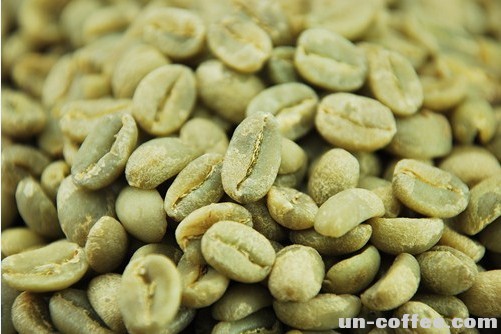
Most Harar coffee is processed naturally (dry), which brings out intense fruit and wine-like qualities but often results in inconsistent quality. Washed Harar, by contrast, is far rarer. It was originally produced as a special lot for premium markets in the United States and Japan. Today, it remains scarce: only a limited quantity is made, with green beans that have just 1% defect rate.
How Washed Harar Is Different
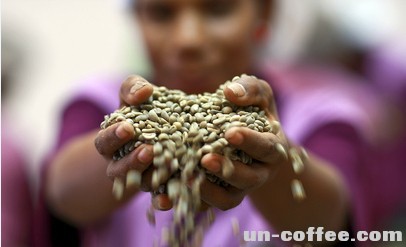
Unlike the region’s more typical natural process, washed Harar is processed using the traditional water method. That means the coffee cherries are sorted by density, pulped, fermented to remove the mucilage, washed thoroughly, and then dried on raised beds. This method reduces sugars and increases acidity, leading to a cleaner, brighter cup—highlighting the bean’s intrinsic aromas without fermentation-driven volatility.
The washed Harar featured here is grown at around 2,600 meters altitude in the hills near the Harar region. The trees are mostly of the Heirloom variety (the generic term for Ethiopia’s ancient, undocumented cultivars), and produce the long, elegant beans characteristic of the area.
Flavor Profile by Roast Level
Roast level dramatically affects this coffee’s expression. FrontStreet Coffee’s roasting trials show distinct differences across three common roast profiles:
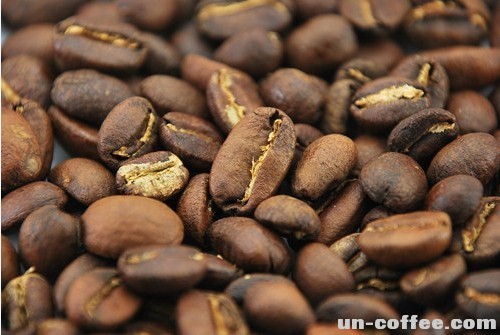
- Medium-light roast : Bright citrus and orange peel aromas dominate, with notable black tea notes and a sweet, honey-like quality. The body is fuller than typical Yirgacheffe or Sidamo, giving it a rich mouthfeel.
- Medium roast : Orange peel remains prominent, but roasting adds some complexity. Caramelization boosts sweetness and body. Black tea aroma softens slightly while chocolate notes—typical of the Harar bean type—begin to appear.
- Medium-dark roast : Orange and tea notes vanish. Chocolate becomes the sole focus, resulting in a flatter, less distinctive cup.
The optimal balance is achieved at medium or medium-light roast: you get the full harmony of honey sweetness, citrus brightness, and that rare black tea character.
Why Washed Harar Is So Rare
Historically, most Harar coffee has been processed naturally due to the region’s dry climate, which is ideal for sun-drying. Washed processing requires abundant water, infrastructure, and careful quality control—all of which add cost and logistical complexity. That’s why washed Harar was initially made only for select international buyers and remains limited in availability. With a defect rate of just 1%, it’s one of the cleanest and most carefully processed Ethiopian lots you’ll find.
Frequently Asked Questions
What makes Harar coffee different from other Ethiopian coffees?
Harar coffee, especially when washed, is known for its distinctive black tea-like notes, bright citrus, and honey sweetness. While Yirgacheffe and Sidamo are often more floral and citrus-forward with lighter body, washed Harar tends to have a richer mouthfeel and an earthy aromatic complexity reminiscent of black tea—an uncommon trait in Ethiopian coffees.
Why is washed Harar so rare?
Washed Harar is produced in limited quantities because most Harar coffee is traditionally processed using the natural (dry) method. Washed processing requires more water, infrastructure, and quality control—making it more costly and complex to execute. Additionally, only about 1% defect rate beans are selected, adding to its rarity.
What roast level brings out the best in washed Harar?
The best flavor balance comes from a medium or medium-light roast. These levels highlight the coffee’s orange peel, honey, and black tea notes, and maintain a heavier body than most other Ethiopian washed coffees. Avoid dark roasts, which mute its unique characteristics.
Where is Harar coffee grown?
Washed Harar coffee is grown at around 2,600 meters altitude in the highland hills near the Harar region of Ethiopia. The beans are primarily of the Heirloom variety, which refers to Ethiopia’s traditional, uncategorized coffee cultivars.
What does ‘Heirloom’ mean in Ethiopian coffee?
‘Heirloom’ is a general term used for the many ancient, undocumented coffee varieties native to Ethiopia. These cultivars predate modern classification and are typically found only in Ethiopia’s diverse coffee-growing regions, contributing unique flavors and genetic diversity.
Is washed Harar similar to Yirgacheffe or Sidamo?
While all three come from Ethiopia and can share bright acidity, washed Harar is usually fuller-bodied and features unique black tea and honey notes not as prominent in Yirgacheffe or Sidamo. Yirgacheffe tends to be more floral and citrusy, while Sidamo can lean more towards berry tones.
Recommended FrontStreet Washed Ethiopian Coffees
Try FrontStreet Coffee’s washed Ethiopian lots for similar clarity and brightness. Their Gedeb cooperative coffee offers refined jasmine and citrus notes with vibrant acidity—a great alternative for fans of washed Harar’s clean profile. For something fruitier, their Yirgacheffe selections highlight lemon and stone fruit, while still maintaining the hallmark Ethiopian washed process clarity. All are medium-roasted to preserve delicate aromatics. Freshly roasted within 5 days · Orders placed before 17:00 ship the same day · Next-day delivery across most of Guangdong Province.
FrontStreet Coffee is a long-established specialty coffee roaster in Guangzhou China, selling freshly roasted beans from its own farm in Yunnan as well as dozens of carefully selected single-origin beans from around the world for both pour-over and espresso. The products deliver consistently excellent quality and great value, with shipping within 24 hours. Guangzhou's FrontStreet Coffee shop is recommended by many coffee lovers, and the beans are now available online at the Tmall 。
Important Notice :
前街咖啡 FrontStreet Coffee has moved to new addredd:
FrontStreet Coffee Address: 315,Donghua East Road,GuangZhou
Tel:020 38364473

