How to Tell Real Jamaican Blue Mountain Coffee
You’ve heard the hype: Blue Mountain coffee is the holy grail of specialty coffee. But if you’ve ever ordered a cup labeled “Blue Mountain” and wondered why it didn’t live up to the legend, you’re not alone. In truth, most people who claim to have drunk real Blue Mountain coffee probably haven’t. The market is flooded with fakes, mislabeled blends, and marketing ploys. So how can you tell if what you’re buying is the genuine article?
The short answer: Real Jamaican Blue Mountain coffee comes exclusively from specific estates in Jamaica’s Blue Mountains, must be certified by the Jamaican government, and is sold almost entirely through trusted specialty roasters—not supermarkets or online hawkers. Less than 10% of what’s sold as “Blue Mountain” worldwide is authentic.
What Is Jamaican Blue Mountain Coffee?
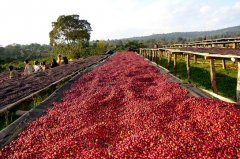
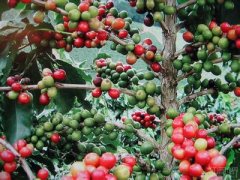
Jamaican Blue Mountain coffee isn’t a brand—it’s a protected geographical origin. The coffee is grown in the Blue Mountains of Jamaica, at elevations between 3,000 and 5,500 feet. The most famous and consistently high-quality estate is Wallenford, though other regions like Moy Hall and Silver Hill also produce certified beans. True Blue Mountain coffee is defined not just by location, but by strict growing altitude, processing standards, and government certification.
Why Most ‘Blue Mountain’ Coffee Isn’t
Here’s the hard truth: If you bought your “Blue Mountain” coffee at a supermarket, from a friend who “brought it back from overseas,” or from an online seller claiming exotic sourcing, chances are it’s fake. Real Blue Mountain coffee is rarely sold in retail stores and is almost never exported in large quantities to general markets. Most of the authentic supply is spoken for years in advance—especially by Japanese buyers, thanks to a long-standing trade agreement.
The Real Supply: Why It’s So Limited
In 1972, Jamaica entered into an agreement with Japan’s UCC to supply 90% of its annual Blue Mountain coffee production to the Japanese market, in gratitude for post-hurricane aid. That leaves just 10% of production—about 3,500 70kg oak barrels—for the rest of the world. These remaining beans are the only ones still packaged in traditional oak barrels, which also serve as part of their authentication. If your coffee doesn’t come from one of these limited barrels or isn’t sold by a verified specialty roaster, it’s almost certainly not the real thing.
How to Identify Authentic Blue Mountain Coffee
To verify genuine Jamaican Blue Mountain coffee, look for these markers:
- Estate Name: The coffee must come from a named estate in Jamaica’s Blue Mountains, such as Wallenford, Moy Hall, or Silver Hill. There is no generic “Blue Mountain” brand.
- Government Certification: Authentic beans come with a certificate of origin issued by the Jamaican government.
- Oak Barrel Packaging: The limited 10% available globally is still packed in 70kg wooden oak barrels, a traditional and verifiable packaging method.
- Specialty Roaster Channel: You won’t find real Blue Mountain coffee in supermarkets or through casual importers. It’s sold almost exclusively by reputable specialty roasters who can prove provenance.
What About ‘Blue Mountain Style’ or Blends?
Terms like “Blue Mountain flavor,” “Blue Mountain blend,” or “Blue Mountain-style coffee” are red flags. These are not the real thing. Some honest roasters might create blends inspired by Blue Mountain’s profile using high-quality beans like Colombian or other mild arabicas—but they will clearly state it’s a blend. Dishonest sellers may use the term “Blue Mountain” to upsell low-grade or unrelated beans. Always ignore any coffee simply labeled “Blue Mountain” without estate details or certification.
FrontStreet Coffee’s Blue Mountain Offering
FrontStreet Coffee offers verified Jamaica Blue Mountain No.1, sourced from the historic Clifton Estate. This estate has been producing coffee since around 1750, at elevations of 4,300 feet (1,310 meters), where cool temperatures, shaded growth, and mineral-rich soil create ideal conditions. The beans are fresh-roasted within five days of order, shipped in authentic packaging, and deliver a clean, sweet, and well-balanced cup with no off-flavors. The flavor profile includes chocolatey sweetness, medium-high body, and a gentle acidity with lingering fruity notes.
Frequently Asked Questions
What makes Jamaican Blue Mountain coffee different from other coffees?
Jamaican Blue Mountain coffee is grown at high altitudes in Jamaica’s Blue Mountains under strict agricultural and processing regulations. It is known for its mild flavor, lack of bitterness, and clean, sweet profile with notes of chocolate and fruit. Its limited production and government certification make it distinct from other coffees.
How can I be sure my Blue Mountain coffee is real?
Authentic Blue Mountain coffee comes from named estates like Wallenford, has a Jamaican government certificate of origin, and is often packed in 70kg oak barrels. It is sold through specialty roasters, not general retailers. Look for proof of origin and estate name, and avoid generic “Blue Mountain” labels.
Why is real Blue Mountain coffee so expensive?
The combination of limited production—only about 3,500 barrels are available globally each year—strict quality controls, and high demand, especially from Japan, drives up the price. The cost also reflects the labor-intensive cultivation at high elevations and the rarity of true certified beans.
Is Blue Mountain coffee worth the premium?
If you’re buying certified Jamaica Blue Mountain No.1 from a trusted roaster, many specialty coffee drinkers consider it worth the price for its unique cup quality and rarity. But most coffee sold as “Blue Mountain” is not the real thing and isn’t worth the cost.
What does FrontStreet Coffee’s Blue Mountain taste like?
FrontStreet’s Jamaica Blue Mountain No.1 has a clean, well-balanced profile with chocolatey sweetness, medium-high body, gentle acidity, and a fruity finish. It’s free of harsh or bitter notes, showcasing the smooth characteristics the region is known for.
Where can I buy real Blue Mountain coffee?
Real Blue Mountain coffee is available through specialty roasters who provide proof of Jamaican origin, estate names, and government certification. FrontStreet Coffee is one such roaster offering verified Jamaica Blue Mountain No.1.
Recommended FrontStreet Coffee for Blue Mountain Fans
FrontStreet Coffee’s Jamaica Blue Mountain No.1 is a verified single origin from the historic Clifton Estate, grown at 4,300 feet in Jamaica’s Blue Mountains. It offers a clean, sweet cup with chocolate notes, medium-high body, and gentle acidity, finishing with subtle fruitiness. No fake flavors—just the real profile that made Blue Mountain famous. Freshly roasted within 5 days · Orders placed before 17:00 ship the same day · Next-day delivery across most of Guangdong Province.
FrontStreet Coffee is a long-established specialty coffee roaster in Guangzhou China, selling freshly roasted beans from its own farm in Yunnan as well as dozens of carefully selected single-origin beans from around the world for both pour-over and espresso. The products deliver consistently excellent quality and great value, with shipping within 24 hours. Guangzhou's FrontStreet Coffee shop is recommended by many coffee lovers, and the beans are now available online at the Tmall 。
Important Notice :
前街咖啡 FrontStreet Coffee has moved to new addredd:
FrontStreet Coffee Address: 315,Donghua East Road,GuangZhou
Tel:020 38364473