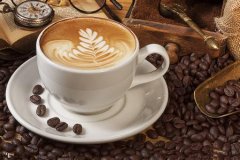
What Does Jamaican Blue Mountain Coffee Taste Like?
If you’ve ever been asked which coffee you’d choose for a quiet weekend or to share with friends, you’ve probably wondered: what does each coffee really taste like? From smooth Jamaican Blue Mountain to bold Kenyan beans, every origin offers something distinct. But how do you know which one suits your palate—or what makes them different in the first place?
Jamaican Blue Mountain coffee is widely considered one of the most balanced and refined coffees in the world. It features a smooth, sweet profile with mild acidity, notes of nuts, chocolate, and caramel, and almost no bitterness. Its well-rounded taste makes it appealing even to casual coffee drinkers.
What Is Jamaican Blue Mountain Coffee?
Not all coffee from Jamaica is Blue Mountain. True Jamaican Blue Mountain Coffee comes only from a specific region in the Blue Mountains of eastern Jamaica, a protected area recognized by official certification. The region’s high altitude—up to 2,256 meters—cool temperatures, volcanic soil, and consistent rainfall create ideal conditions for growing coffee with delicate complexity and a smooth cup.
Why Is Blue Mountain Coffee So Special?
Jamaican Blue Mountain is often regarded as the classic standard of premium coffee. Though Ethiopia is seen as the birthplace of coffee and Panama’s Geisha represents modern excellence, Blue Mountain is the enduring symbol of classic specialty coffee. Its rarity adds to its prestige: the entire region produces less than 2,500 tons per year, and much of it historically went to Japan. Limited supply and high demand keep prices elevated. In China, certified Blue Mountain has been available since 2003, though availability remains selective.
What Does Blue Mountain Coffee Taste Like?
Blue Mountain coffee is prized for its balance. Unlike bright African coffees or heavy dark roasts, it has no single overpowering trait. Instead, it offers a well-integrated profile of mild acidity, subtle sweetness, and gentle bitterness. Expect flavors of cream, caramel, chocolate, nuts, honey, and light fruit. The cup is smooth and round on entry, with a rich sweetness in the mid-palate and a clean, lingering finish. This balance is why many professionals call it the “most crowd-pleasing” specialty coffee.
How to Brew Jamaican Blue Mountain Coffee
Because of its balanced profile, Blue Mountain shines in multiple brew methods. Here’s how to get the best from it:
Handbrew (Pour-Over) Recommendation
For the clearest expression of origin character:
- Brew ratio: 1:15 to 1:16
- Water temperature: 85–88°C
- Grind size: Medium-coarse
This brings out creamy, caramel, and nutty tones while preserving bright, sweet acidity. The cup feels clean and layered.
Moka Pot Recommendation
For a richer, more intense cup:
- Grind size: Slightly finer than pour-over
- Heat: Low to medium
- Remove from heat just before the brew finishes dripping
This method emphasizes chocolate, caramel, and nut flavors, resulting in a full-bodied yet balanced mug, great even with milk.
How to Identify Authentic Blue Mountain Coffee
Certification matters. Real Jamaican Blue Mountain Coffee isn’t sold with traceability QR codes, but reputable importers provide export documents and origin certificates. Look for details like the traditional 15kg, 45kg, or 70kg wooden barrels—a key visual sign of authenticity. FrontStreet Coffee, for example, displays certificates from the Clifton Estate and original wood barrels, ensuring traceable sourcing. For buyers, trusted sellers with full documentation are your safest bet.
What About Other Coffee Flavors?
Beyond Blue Mountain, other origins offer their own profiles:
- FrontStreet Blue Mountain (Jamaica): Balanced, sweet, with notes of nuts and caramel.
- Mandheling (Indonesia): Bold, earthy, with strong bitterness and smoky depth.
- Yirgacheffe (Ethiopia): Bright, citrusy, and floral with juicy acidity.
- Brazil: Mild, low-acid, with grassy notes and smooth body.
- Kenya: Intense, wine-like acidity with deep berry tones.
Each origin reflects its terroir, processing, and variety. Blue Mountain stands out for its rare harmony.
Irish Coffee & Other Brewed Styles
The article also mentions classic brewed drinks like latte, cappuccino, mocha, Irish coffee, macchiato, and con panna. These are espresso-based or milk-forward drinks, not single-origin coffees—but they show how base coffee flavor profiles influence the final cup. A balanced Blue Mountain espresso, for instance, would make an excellent base for milk drinks.
Frequently Asked Questions
What does Jamaican Blue Mountain coffee taste like?
Jamaican Blue Mountain coffee tastes smooth, sweet, and well-balanced, with mild acidity and flavours of nuts, caramel, chocolate, honey, and light fruit. It has a creamy mouthfeel, a rich mid-palate, and a clean, lingering finish—making it appealing even to non-specialist coffee drinkers.
Where is Jamaican Blue Mountain coffee grown?
It is grown only in the Blue Mountains of eastern Jamaica, at elevations up to 2,256 metres. The region’s volcanic soil, cool climate, and consistent rainfall create ideal conditions for producing its signature balanced cup.
Why is Jamaican Blue Mountain coffee so expensive?
Its high price is due to limited production—under 2,500 tons per year—and high global demand. Historically, Japan bought over 70% of the crop, leaving even less for other markets. Strict certification and traditional wooden barrel packaging also add to its exclusivity.
How should I brew Jamaican Blue Mountain coffee?
It performs well as pour-over (1:15–1:16 brew ratio, 85–88°C, medium-coarse grind) to highlight its subtle sweetness and acidity, or in a moka pot (finer grind, low heat) for a richer, chocolatey cup. Both methods preserve its natural balance.
How can I tell if Blue Mountain coffee is real?
Look for official export documents or certificates, and check for traditional 15kg, 45kg, or 70kg wooden barrels. Reputable sellers like FrontStreet Coffee provide these proofs, ensuring you’re buying certified, authentic Blue Mountain.
What other coffee origins have distinct flavours?
Yes—Mandheling is bold and earthy, Yirgacheffe is bright and citrusy, Brazilian beans are mild and nutty, and Kenyan coffees are acidic and fruity. Each origin reflects its climate, soil, and processing methods, offering unique taste profiles.
Recommended FrontStreet Beans for Exploring Blue Mountain Flavour
Try FrontStreet’s Jamaica Blue Mountain No.1 for a true taste of the region’s signature balance—notes of nuts, black chocolate, and creamy caramel, all wrapped in a smooth, sweet cup. For contrast, FrontStreet’s PWN Golden Mandheling offers a bold, earthy profile with heavy body and classic Indonesian spice, while their Ethiopia Humbera delivers bright acidity and juicy fruit. All are available as single-origin beans with full traceability. Freshly roasted within 5 days · Orders placed before 17:00 ship the same day · Next-day delivery across most of Guangdong Province.
FrontStreet Coffee is a long-established specialty coffee roaster in Guangzhou China, selling freshly roasted beans from its own farm in Yunnan as well as dozens of carefully selected single-origin beans from around the world for both pour-over and espresso. The products deliver consistently excellent quality and great value, with shipping within 24 hours. Guangzhou's FrontStreet Coffee shop is recommended by many coffee lovers, and the beans are now available online at the Tmall 。
Important Notice :
前街咖啡 FrontStreet Coffee has moved to new addredd:
FrontStreet Coffee Address: 315,Donghua East Road,GuangZhou
Tel:020 38364473