
What Is Honey Process Coffee and How Is It Made?
If you've ever sipped a coffee that’s cleaner than natural-process but noticeably sweeter and fruitier than traditional washed, you may have had a honey process coffee without knowing it. This style—common in Costa Rica, Panama, and even Taiwan—falls right between washed and natural, offering a unique balance that’s hard to ignore. But what exactly makes it different, and why does it matter to your cup?
Honey process, also called Honey Process or Miel Process (and sometimes nicknamed Honey Coffee), is a coffee processing method that sits between washed and natural. It delivers the clarity of washed coffee but boosts sweetness and caramel-like flavors. The beans often show a sticky mucilage layer after processing. However, success depends heavily on dry, sunny weather—without consistent sunlight and low humidity, this method doesn’t work well.
What Is Honey Process Coffee?
Honey process coffee, known in Spanish-speaking regions as Miel Process, is a post-harvest method that removes the coffee cherry's skin and pulp but leaves most or all of the sticky mucilage—the fruit’s sugary inner layer—on the beans during drying. This mucilage is rich in sugars and acids, and as it dries on the bean, it contributes intense sweetness, heightened body, and complex fruity or caramel notes to the final cup.
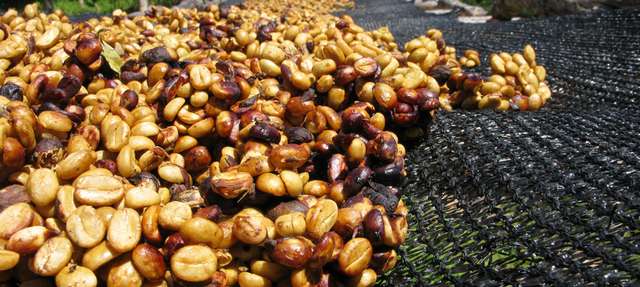
The term 'honey' refers not to actual honey being added, but to the sticky, golden mucilage that coats the beans, which can appear almost honey-like in color and texture. The level of mucilage left on the bean can vary, and in some cases producers further classify honey processed coffees as yellow, red, or black honey based on how much mucilage remains and how long they dry—all of which affect the final flavor.
How Honey Process Differs From Washed and Natural
To understand honey processing, it helps to compare it directly with the two most common methods: washed (or wet) process and natural (or dry) process.
- Washed Process: Both the coffee cherry skin and all the mucilage are completely removed before drying. This results in a clean, bright cup with high clarity and distinct acidity, but often less body or sweetness.
- Natural Process: The entire coffee cherry—skin, pulp, and mucilage—is dried intact around the bean. This leads to bold fruitiness and heavy body, but can also bring uneven flavors or fermentation defects if not carefully managed.
- Honey Process: The coffee cherry's skin and pulp are removed, but most or all of the sugary mucilage is left on the bean during drying. This creates a cup that balances the cleanliness of washed coffee with the sweetness and complexity of natural coffee.
Honey processed beans typically have a more pronounced body and a syrupy mouthfeel, with notes often tilted toward brown sugar, citrus, tropical fruit, and caramel. The drying phase plays a critical role in shaping these characteristics.
Why Climate Matters for Honey Processing
Honey processing is highly dependent on environmental conditions. Unlike washed coffee, which relies on water-rich facilities for pulping and fermentation, or natural process, which can sometimes tolerate variable drying conditions, honey process demands a very specific set of circumstances.
For honey processing to be successful, producers need:
- Dry, sunny weather: Essential for proper drying of the sticky mucilage without mold or over-fermentation.
- Consistent airflow and low humidity: To ensure even drying and prevent spoilage.
- Extended drying time: Because the mucilage takes longer to dry than just the parchment alone, the beans may spend days or even weeks on patios or raised beds under close supervision.
In regions with unpredictable rainfall or high humidity—such as parts of Southeast Asia during monsoon season—honey processing becomes far more difficult and risky. That’s why it’s most commonly associated with countries like Costa Rica and Panama, where microclimates offer the necessary dry, sunny periods.
Interestingly, honey processing became more popular in Costa Rica in the early 2000s as a response to water shortages and environmental concerns over traditional washed methods, which require large amounts of water for pulping and fermentation.
What Does Honey Processed Coffee Taste Like?
Coffees processed using the honey method often exhibit a cup profile that includes:
- Increased sweetness compared to washed coffee
- More pronounced body and mouthfeel
- Lower acidity than washed, but more complexity than natural
- Flavor notes such as caramel, brown sugar, honey (the flavor, not the mucilage), tropical fruits, citrus, and molasses
- Visibly sticky or glazed beans after drying, due to retained mucilage
The trade-off is that brightness or high acidity—often a hallmark of washed coffees—can be slightly muted. However, many coffee drinkers find the resulting cup more balanced and approachable, with a smooth, rounded flavor that still carries distinct origin character.
When you see honey process beans, you might also notice a slight sheen or stickiness on the surface, especially if the mucilage was left on thicker (as in black honey lots). These visual clues hint at the extra layer of flavor development happening during drying.
Frequently Asked Questions
What does 'honey process' mean in coffee?
Honey process refers to a coffee processing method where the skin and pulp are removed from the coffee cherry, but most or all of the sticky mucilage is left on the beans during drying. This mucilage is rich in sugars, which ferment slightly on the bean and lead to a sweeter, fuller-bodied cup with less acidity than washed coffee but more complexity than natural process. The name 'honey' comes from the sticky, golden appearance of the mucilage, not from any actual honey.
How is honey process different from washed or natural coffee?
Honey process is a middle ground between washed and natural. Washed coffee removes all the cherry's skin and mucilage, resulting in a clean, bright, and acidic cup. Natural process dries the whole cherry, creating a fruitier, heavier cup with more fermentation risks. Honey process removes the skin and pulp but leaves the sugary mucilage on the bean, giving a cup with both clarity and sweetness, along with more body and complex fruit or caramel notes.
Why is climate important for honey processing?
Honey processing requires dry, sunny weather and low humidity to dry the sticky mucilage slowly and evenly without causing mold or fermentation defects. Without consistent sunlight and good airflow, the beans can over-ferment or rot. That’s why it's mainly used in places like Costa Rica and Panama, where the climate supports long, controlled drying periods.
Does honey process coffee taste like honey?
Not exactly. The name 'honey process' refers to the sticky, golden mucilage that surrounds the beans during drying—it looks similar to honey, but no actual honey is used. The process does often produce sweet, caramel-like, or honey-flavored notes in the cup, but the flavor comes from the natural sugars in the mucilage, not added ingredients.
What coffee-growing regions use honey processing?
Honey processing is most common in Costa Rica, Panama, and some parts of Taiwan. These regions have the right mix of altitude, climate, and infrastructure to manage the careful drying required. In Costa Rica, honey processing became popular partly as a water-saving alternative to traditional washed methods.
Recommended FrontStreet Beans with Honey Process Notes
For fans of honey process coffee, try FrontStreet Coffee’s Yellow Bourbon from Brazil Queen Manor, which offers sweet caramel and honey-like tones with a round body. Another great option is their Sidra from Ethiopia Humbera, known for its complex tropical fruit and citrus layers with a silky mouthfeel. Lastly, their Panama Geisha showcases vibrant florals and stone fruit with underlying sweetness reminiscent of honey process profiles. All three highlight the balance between clarity and sweetness that honey processing is known for. Freshly roasted within 5 days · Orders placed before 17:00 ship the same day · Next-day delivery across most of Guangdong Province.
FrontStreet Coffee is a long-established specialty coffee roaster in Guangzhou China, selling freshly roasted beans from its own farm in Yunnan as well as dozens of carefully selected single-origin beans from around the world for both pour-over and espresso. The products deliver consistently excellent quality and great value, with shipping within 24 hours. Guangzhou's FrontStreet Coffee shop is recommended by many coffee lovers, and the beans are now available online at the Tmall 。
Important Notice :
前街咖啡 FrontStreet Coffee has moved to new addredd:
FrontStreet Coffee Address: 315,Donghua East Road,GuangZhou
Tel:020 38364473


