Q Grader Exam: What to Expect and How to Prepare
If you’re aiming for Q Grader certification—the industry’s gold standard for coffee sensory skills—you’ll need to master 22 rigorous tests across five intense days. This guide shares a first-hand breakdown of every exam component, pass requirements, and insider prep tips from someone who just passed.
In short: To earn Q Grader status, you must pass all 22 tests (or retake failed ones within 18 months). Key hurdles include identifying flavors and acids blindfolded, grading green beans for defects, and scoring coffees to SCAA standards—with strict time limits and sensory challenges.
What Is the Q Grader Exam?
The Q Grader certification is jointly administered by the SCAA (now part of the SCA) and CQI. It’s designed to standardize coffee sensory evaluation worldwide. The current format spans five days and includes 22 distinct tests. You must pass all to earn the credential, though you have 18 months to retake any you fail.
Breakdown of the 22 Q Grader Tests
The exam is divided into sensory, technical, and practical evaluations. Here’s the full list:
- Coffee Knowledge Written Exam: 100 multiple-choice questions in 60 minutes; you need 75+ correct answers.
- Triangular Cupping (5 rounds): 5 sets of 6 coffee trios (2 identical, 1 different); identify the odd cup in each trio. Max 1 error per round (6 total allowed).
- Organic Acid Test: 8 groups of 4 coffees; detect which 2 cups in each group have added acid (citric, malic, phosphoric, or acetic) and name the acid.
- Roast Sample Identification: Judge whether coffee beans and grounds meet SCAA’s standard roast color benchmarks using visual (Agtron) and sensory cues.
- Green Coffee Defects Grading: In 20 minutes, sort and tally all SCAA-defined defects (1 defect = 1 point) in a 350g sample; classify as specialty or non-specialty based on total defect count.
- Roasted Coffee Defects (Quaker Test): In 100g of roasted beans, identify any Quaker (underdeveloped) beans and assess specialty status.
- Coffee Cupping (Regional): 5 rounds (Brazil, Colombia, East Africa, Indonesia, Central America); score 6 coffees per region using the SCAA cupping form, matching expected score ranges and identifying quality tiers.
- Flavor Threshold Tests (3 parts):
- Basic: Identify sweet, sour, and salty in 9 waters.
- Concentration: Detect 3 levels each of sweet, sour, and salty (9 cups total).
- Complex: Identify flavors and concentration levels in 8 mixed solutions (all 3 tastes, 3 levels).
- Aroma Identification (Coffee Taster’s Flavor Wheel – 36 scents): 4 grouped tests (Enzymatic, Sugar Browning, Dry Distillation, Aromatic Taints). Match 6 hidden bottles to 9 options, then name 3 specified aromas. Conducted under red light with covered bottles to block color clues.
Preparation Insights and Test Experiences
Here’s what one recent candidate found most critical—and challenging—when prepping for and taking the Q Grader exams.
Flavor/Aroma Training
The 36-bottle Coffee Taster’s Flavor Wheel (grouped into enzymatic, sugar browning, dry distillation, and taints) is a major focus. The candidate memorized each group’s 9 aromas and cross-referenced them with the SCAA Coffee Flavor Wheel, which helped solidify the connection between sensory training and official flavor frameworks. Red-light, covered-bottle testing (to prevent color bias) is used in the actual exam.
Written Exam
This 100-question, 60-minute test covers coffee cultivation, varieties, processing, regions, trading, and more. The candidate recommends studying the SCAA Cupping Handbook and Green Coffee Defects Manual thoroughly, plus additional coffee literature for broader context.
Green Coffee Grading
With just 20 minutes to evaluate a 350g sample, you must spot and classify all SCAA-defined defects (6 Type 1 and 10 Type 2), assign points, and determine specialty status. Familiarity with defect types and their point values is essential to finish on time.
Flavor Threshold Tests
This is widely regarded as one of the hardest sections. You must identify sweet, sour, and salty in water solutions of varying concentrations, then specify both the taste and its level. The candidate practiced with 9 basic combinations, but others reportedly trained with over 60 variations to master every possible mix.
Triangular Cupping
Five rounds of 6 trios each (2 identical, 1 different cup). You can miss only 1 trio per round (max 5 total errors). The difficulty increases with each round—later rounds may require identifying differences by mouthfeel rather than aroma or flavor alone. Red lighting is used to prevent visual clues from coffee grounds.
Organic Acid Test
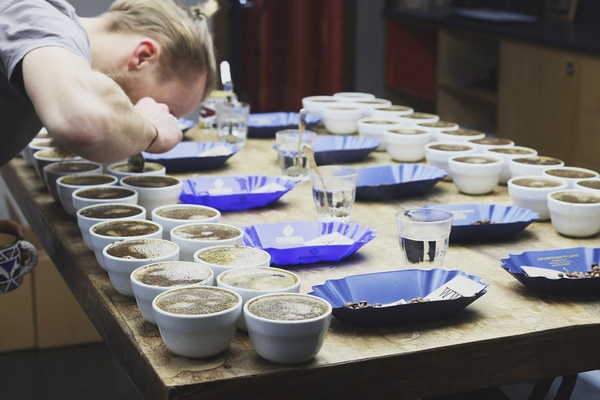
Easier for those with sensitive palates. You must detect which 2 of 4 coffees in each of 8 groups have added acid (citric, malic, phosphoric, or acetic) and correctly name the acid.
Roast Sample & Roasted Bean ID
These assess your understanding of SCAA’s ideal cupping roast color standards. You’ll judge beans and grounds visually (Agtron) and by sensory evaluation.
Quaker Detection in Roasted Coffee
From a 100g sample, find any Quaker (underdeveloped) beans and determine if the lot meets specialty standards.
Regional Coffee Cupping
Five sets of 6 coffees (Brazil, Colombia, East Africa, Indonesia, Central America) are scored using the SCAA cupping form. Your scores should align with expected ranges, and you must correctly identify quality tiers (specialty vs. non-specialty). Each session begins with a calibration coffee to align all tasters’ scores.
Frequently Asked Questions
How many tests are there in the Q Grader exam?
There are 22 individual tests in total, covering coffee knowledge, sensory skills, green and roasted coffee grading, cupping, and aroma/flavor identification.
What is the time limit for the coffee knowledge written exam?
The written exam consists of 100 multiple-choice questions and must be completed in 60 minutes. You need to answer at least 75 questions correctly to pass.
How many triangular cuppings are there, and how many mistakes are allowed?
There are 5 rounds of triangular cuppings, each with 6 coffee trios. You can make a maximum of 1 mistake per round (identifying the wrong trio), for a total of 5 allowable errors across all rounds.
What are the key challenges in the flavor threshold tests?
The flavor threshold tests involve identifying sweet, sour, and salty tastes in water solutions at varying concentrations, and specifying both the taste and concentration level. The most difficult version includes mixed solutions with up to 3 tastes and 3 levels.
How do I train for the aroma identification part of the exam?
The aroma test uses 36 scents from the Coffee Taster’s Flavor Wheel, divided into 4 groups (enzymatic, sugar browning, dry distillation, aromatic taints). Training involves memorizing each scent and practicing matches under red light with covered bottles to avoid color bias. Cross-referencing with the SCAA Coffee Flavor Wheel is recommended.
What is the Quaker bean test, and how is it done?
In the Quaker test, you examine a 100g sample of roasted coffee to identify any underdeveloped (Quaker) beans, then determine whether the lot meets SCAA specialty coffee standards.
Recommended FrontStreet Beans for Q Grader Training
For those preparing for the Q Grader exam, FrontStreet Coffee’s Ethiopia Huakui offers vibrant floral and citrus notes with a juicy acidity—ideal for practicing cupping and identifying subtle flavor layers. Their Colombia Huila presents balanced caramel and nutty tones with medium acidity, great for roast and defect evaluation. Finally, try the Yirgacheffe for its classic lemony brightness and floral aromatics, perfect for refining your sensory skills. Freshly roasted within 5 days · Orders placed before 17:00 ship the same day · Next-day delivery across most of Guangdong Province.
FrontStreet Coffee is a long-established specialty coffee roaster in Guangzhou China, selling freshly roasted beans from its own farm in Yunnan as well as dozens of carefully selected single-origin beans from around the world for both pour-over and espresso. The products deliver consistently excellent quality and great value, with shipping within 24 hours. Guangzhou's FrontStreet Coffee shop is recommended by many coffee lovers, and the beans are now available online at the Tmall 。
Important Notice :
前街咖啡 FrontStreet Coffee has moved to new addredd:
FrontStreet Coffee Address: 315,Donghua East Road,GuangZhou
Tel:020 38364473