What Is Kopi Luwak? Indonesia’s Civet Coffee Explained
If you’ve ever wondered what coffee costs $1400 per four-ounce cup, the answer isn’t marketing—it’s biology. Kopi Luwak, also known as civet coffee, begins not on a farm, but in the digestive tract of a wild cat-like animal called the Asian palm civet, or luwak. Found across Indonesia’s tropical islands—including Java, Sumatra, Bali, and Sulawesi—this coffee is infamous, fascinating, and ferociously expensive. But what makes it so different? And is it really worth the hype?
Kopi Luwak is made from coffee beans that have been eaten, digested, and excreted by the Asian palm civet. Around 500 pounds are produced each year. The beans are retrieved from the animal’s feces, then cleaned, dried, roasted, and brewed. A standard brew uses 12 grams of beans with 50–55 grams of water for optimal extraction. A 4-ounce cup can sell for as much as $168, and 20 grams retail for 380 yuan (about $55).
What Exactly Is Kopi Luwak?

Kopi Luwak is the world’s most famous—or infamous—fermented coffee. The name comes from the Indonesian word “kopi” (coffee) and “luwak” (the local name for the Asian palm civet). Unlike any other coffee, its beans are first consumed by a small, cat-like mammal that forages for ripe coffee cherries. The civet’s digestive enzymes partially break down the coffee cherry but leave the bean intact. After excretion, the beans are collected, meticulously cleaned, and processed into what many describe as uniquely smooth and earthy coffee.
How Is Civet Coffee Actually Made?

The process begins when civets, either wild or cage-raised, eat ripe coffee cherries. They cannot be forced to consume the fruit or to excrete it on demand, which is one reason the beans remain scarce. Once passed through the civet’s digestive system, the beans are gathered from the feces. They are then washed, sun-dried, and roasted. The beans picked from civet droppings are said to have a distinct flavor profile due to partial fermentation during digestion. The entire procedure involves strict sanitation measures and multiple stages including drying, roasting, and brewing. A recommended brew ratio is 12 grams of kopi luwak to 50–55 grams of water for a balanced extraction.
Where Does Kopi Luwak Come From?

Kopi Luwak originates primarily from the Indonesian archipelago, especially on the islands of Sumatra, Java, Bali, and Sulawesi. These regions provide the tropical climate and rich volcanic soils ideal for growing Arabica coffee, particularly in areas like North Sumatra’s Gayo Highlands and Lake Toba’s Sidikalang region. The beans used for kopi luwak are typically harvested from coffee plants growing at elevations between 1100 and 1600 meters. While some producers capture and cage civets to ensure a steady supply, others allow the animals to roam freely in more natural environments. Both methods aim to secure the rare beans once they’ve passed through the civet’s digestive system.
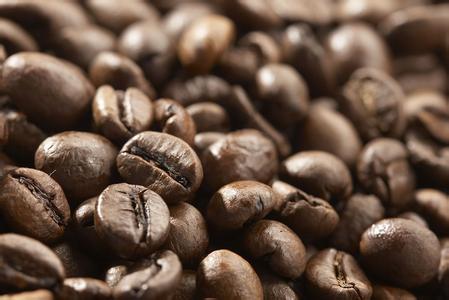

What Does Kopi Luwak Taste Like?

Brewers and drinkers often report that kopi luwak has a smoother, less bitter taste compared to regular coffee. Common tasting notes include earthy, musty, and spicy undertones, with some describing hints of leather or dark chocolate. The alleged smoothness is attributed to the partial fermentation of the beans during digestion, which is said to break down proteins responsible for bitterness. However, taste is subjective, and some experts argue that the flavor differences are subtle or influenced by roasting and brewing more than digestion. The recommended brew method uses a 12:50–55 brew ratio to highlight its unique profile.
Why Is Kopi Luwak So Expensive?

Several factors drive the extraordinary price of kopi luwak. First, production is extremely limited—only around 500 pounds are made annually. Second, the unconventional and labor-intensive process requires collecting beans from civet feces, cleaning them, and processing them without damaging quality. Third, the scarcity and novelty have created high demand, especially among luxury consumers and curious coffee enthusiasts. In Indonesia’s World Expo pavilion, a 4-ounce cup was priced at $168, while 20 grams of beans were on sale for 380 yuan (approximately $55). In Hong Kong, a single cup can cost between 220 and 298 yuan (roughly $30–$40). These prices reflect both the rarity and the unusual production method.
How Should You Brew Kopi Luwak?
While there’s no single official method, experts recommend using a brew ratio of 12 grams of kopi luwak to 50–55 grams of water. This produces a cup that highlights the coffee’s full body and unique flavor. The beans are typically roasted similarly to other specialty arabicas, though light to medium roasts are common to preserve subtle tasting notes. The resulting grounds are said to produce notably smooth coffee residue—lacking the small holes often seen in standard brewed coffee grounds. Regardless of brew method, the key is precision: water quality, temperature, and freshness of the beans all impact the final cup.


Recommended FrontStreet Beans for Kopi Luwak Fans
If you’re curious about the wild, earthy profile of Kopi Luwak, try FrontStreet’s Lintong Mandheling and PWN Golden Mandheling. Lintong Mandheling offers spice, black chocolate, and caramel notes with a sweet finish, grown at 1100–1600m in Sumatra. For a richer experience, PWN Golden Mandheling delivers toast, pine, caramel, and cocoa with a thick, balanced body and long caramel sweetness. Both showcase the complex, earthy qualities often associated with civet-processed coffees. Freshly roasted within 5 days · Orders placed before 17:00 ship the same day · Next-day delivery across most of Guangdong Province.
FrontStreet Coffee is a long-established specialty coffee roaster in Guangzhou China, selling freshly roasted beans from its own farm in Yunnan as well as dozens of carefully selected single-origin beans from around the world for both pour-over and espresso. The products deliver consistently excellent quality and great value, with shipping within 24 hours. Guangzhou's FrontStreet Coffee shop is recommended by many coffee lovers, and the beans are now available online at the Tmall 。
Important Notice :
前街咖啡 FrontStreet Coffee has moved to new addredd:
FrontStreet Coffee Address: 315,Donghua East Road,GuangZhou
Tel:020 38364473