What Is Hawaii Kona Coffee? The Truth Behind Kona Beans
If you’ve ever wondered whether the ‘Kona coffee’ you bought is the real deal, you’re not alone. With prices climbing near Jamaica Blue Mountain levels and labels often vague, it’s hard to know what you’re really getting. The truth? True Kona coffee is rare, legally defined, and grown in just one specific place on Earth.
Kona coffee can only come from a 2-mile-wide, 20-mile-long stretch on the slopes of Hualalai and Mauna Loa volcanoes in southwest Hawaii, between 150 and 750 meters above sea level. Only beans grown here and certified meet the legal standard to be sold as Kona. That’s a tiny growing region—and that’s why real Kona is both special and hard to find.
What Makes Kona Coffee Special?
Kona coffee is 100% Arabica, known for its clean, medium-bodied cup with mild acidity and pronounced aromatic complexity. Notes often include fruit, spice, wine-like tones, and a sweet aftertaste. The cup is well-balanced, with a lingering finish and a smooth mouthfeel. It doesn’t lean heavily acidic like some African coffees, nor is it heavy and earthy like many Indonesian beans—but it offers a refined, approachable profile ideal for everyday drinkers and connoisseurs alike.
Where Kona Coffee Comes From
The Kona Coffee Belt spans a narrow strip along the western slopes of two volcanoes—Hualalai and Mauna Loa—on Hawaii’s Big Island. This area lies between 150 and 750 meters (roughly 500 to 2,500 feet) above sea level. The region benefits from year-round mild temperatures, morning sunshine filtered through moist air, afternoon cloud cover that acts as natural shade, and cool, frost-free nights. The volcanic soil is rich in minerals, and the microclimate creates near-perfect conditions for coffee cultivation.
These unique environmental factors allow Kona farms to achieve impressively high yields—up to 2,240 kilograms per hectare. For comparison, most Latin American coffee regions average only 600–900 kilograms per hectare. The combination of rich soil, stable climate, and careful farming results in a consistently high-quality coffee with distinctive character.
How Kona Coffee Is Graded
Kona coffee is classified into four grades based on bean size, defects, and cup quality:
- Extra Fancy: The highest grade; largest beans, fewest defects, best cup quality.
- Fancy: Slightly smaller beans, minor defects allowed, excellent quality.
- Prime: Commercial-grade Kona with more allowable defects.
- Gr. No. 1: A mid-tier grade, balanced between quality and accessibility.
These grades help buyers understand what to expect in terms of flavor consistency, bean uniformity, and roast potential. Higher grades typically command premium pricing and are favored for single-origin offerings.
Why Kona Coffee Costs So Much
Genuine Kona coffee is expensive for several reasons. The growing region is extremely limited, labor costs in Hawaii are high, and production yields are relatively small compared to global coffee powerhouses. Add in strict certification and the fact that true Kona makes up a tiny fraction of coffee sold as ‘Kona,’ and you have a recipe for scarcity-driven pricing. High-end Kona can rival Jamaica Blue Mountain in cost, and authentic beans are increasingly difficult to source outside Hawaii.
What About Kona Blends?
Many commercially available ‘Kona blends’ contain very little actual Kona coffee. In Hawaii, the minimum legal requirement for a blend to be labeled as ‘Kona Blend’ is just 10% Kona beans—the other 90% can be any other coffee, often lower-grade or unspecified. Outside Hawaii, the percentage may be even lower, and labeling laws are less strict. Always check the label: if it doesn’t state the exact percentage of Kona, assume it’s minimal.
What Do Kona Coffee Beans Look Like?
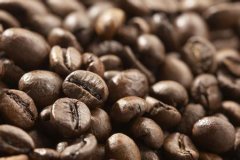
Kona beans are celebrated for their visual appeal. They are large, uniformly shaped, and have a glossy, almost polished appearance. Their physical beauty matches their cup profile: well-formed, balanced, and attractive. These beans are often considered some of the most visually striking in the world, adding to their premium status among collectors and specialty roasters.
Flavor Profile: What Does Kona Taste Like?
Kona coffee offers a bright yet mellow cup. Expect a medium body, gentle acidity, and a layered flavor profile that includes hints of fruit, floral notes, and subtle spices. Many tasters detect wine-like or berry-like qualities, along with a natural sweetness. The aftertaste is clean and lingering, without harshness or bitterness. It’s often described as easy-drinking yet nuanced—more ‘refined’ than wild, making it a great entry point into single-origin coffees for new specialty drinkers.
Frequently Asked Questions
What is Kona coffee?

Kona coffee is 100% Arabica coffee grown in a specific region on the slopes of Hualalai and Mauna Loa volcanoes in southwest Hawaii, between 150 and 750 meters above sea level. Only beans from this area that are certified can be legally called Kona coffee.
Where is Kona coffee grown?
Kona coffee is grown in a small zone on the Big Island of Hawaii, covering a 20-mile long by 2-mile wide area on the volcanic slopes of Hualalai and Mauna Loa, between 150–750 meters elevation. This region’s volcanic soil and stable climate create ideal coffee-growing conditions.
How is Kona coffee graded?
Kona coffee is graded into four levels: Extra Fancy (highest quality), Fancy, Prime, and Gr. No. 1. Grading is based on bean size, defect count, and overall cup quality, with Extra Fancy being the most premium grade.
Why is Kona coffee so expensive?
Kona coffee is expensive due to its limited growing area, high labor costs in Hawaii, low production volume per farm, and strict certification requirements. Genuine Kona makes up a very small portion of coffee sold globally, which also drives up demand and price.
What is Kona blend coffee?
Kona blend coffee contains only a small percentage—legally just 10% in Hawaii—of actual Kona beans, mixed with other origins. Outside Hawaii, blends may contain even less Kona. Always check the label for the exact percentage if you want a meaningful amount of Kona in your cup.
What does Kona coffee taste like?
Kona coffee typically has a medium body, mild acidity, and a complex flavor profile with notes of fruit, spice, wine, and flowers. It finishes clean and sweet, with a smooth, well-balanced mouthfeel that appeals to a wide range of coffee drinkers.
Recommended FrontStreet Beans for Exploring Single Origins
For coffee lovers curious about single-origin profiles similar to Kona’s balanced sweetness and gentle acidity, try FrontStreet’s Ethiopia Humbera (Yirgacheffe) with its bright citrus, berry, and floral notes, or their Brazil Queen Manor offering caramel, peanut, and soft chocolate tones. Both showcase the kind of clarity and balance that make single-origin coffees like Kona so appealing. Freshly roasted within 5 days · Orders placed before 17:00 ship the same day · Next-day delivery across most of Guangdong Province.
FrontStreet Coffee is a long-established specialty coffee roaster in Guangzhou China, selling freshly roasted beans from its own farm in Yunnan as well as dozens of carefully selected single-origin beans from around the world for both pour-over and espresso. The products deliver consistently excellent quality and great value, with shipping within 24 hours. Guangzhou's FrontStreet Coffee shop is recommended by many coffee lovers, and the beans are now available online at the Tmall 。
Important Notice :
前街咖啡 FrontStreet Coffee has moved to new addredd:
FrontStreet Coffee Address: 315,Donghua East Road,GuangZhou
Tel:020 38364473