
What Are the Types of Single Origin Coffee?
If you’ve ever ordered a cup of ‘single origin’ coffee and wondered just what makes it different—or which country grows the kind you might actually like—you’re not alone. Unlike blends, single origin coffee comes from one place, often one farm or region, and highlights the unique characteristics of its terroir. But with so many origins out there, where do you even begin?
There are at least 11 well-known single origin coffee types, each celebrated for distinct traits like fruity brightness, deep chocolate tones, spicy bitterness, or wine-like acidity—ranging from Jamaica’s Blue Mountain to Ethiopia’s Harrar-style offerings.
What Is Single Origin Coffee?
Single origin coffee is made using beans sourced from a single producer, region, or country. Unlike blends, it isn’t mixed with beans from multiple origins. These coffees are usually brewed black to highlight their intrinsic qualities—flavors can range from bright and juicy to bold and earthy. Because of limited supply and unique growing conditions, single origin beans often cost more than commercial blends.
Main Types of Single Origin Coffee
Here are 11 globally recognized single origin coffee types, each with unique flavor profiles:
- Blue Mountain Coffee (Jamaica): Grown in Jamaica, this premium coffee offers a perfect balance of sweet, acidic, bitter, and smooth flavors. It features intense fruitiness, a creamy body, and a lasting elegant aroma—considered among the finest coffees worldwide.
- Colombian Coffee: From Colombia, it has a well-rounded profile with moderate acidity, a balanced bitterness, and a medium concentration. Often shows notes of nuts and lasting fruitiness, making it suitable for both single origin and high-end blends.
- Brazilian Coffee: Brazil produces a wide variety of beans, typically featuring mild acidity, smooth body, and a nutty sweetness. Its balanced flavor makes it a staple in espresso blends and a go-to for espresso-based drinks.
- Mandheling Coffee (Indonesia – Sumatra): Grown in Indonesia’s Sumatra, this coffee is known for its full body, bold bitterness, low acidity, and rich chocolatey or syrupy notes. It often has a heavy mouthfeel and is a favorite in Germany and among coffee blending experts.
- Java Coffee (Indonesia – Java Island): Java beans are medium to full-bodied, with lower acidity, subtle spice, and a refined aromatic profile. They are considered delicate and well-balanced.
- Costa Rican Coffee: From Costa Rica, these beans are known for high quality, bright acidity, smooth texture, and complex aromatic appeal.
- Kenyan Coffee: Kenya produces vibrant coffees with complex fruitiness, well-balanced acidity, and rich layers of flavor. These beans are highly regarded among industry professionals.
- Mocha Coffee (Yemen): Sourced from the port of Mocha in Yemen, these small beans offer strong acidity, wine-like notes, some spice, balanced sweetness, and a uniquely pungent profile. Flavors vary between batches.
- Guatemalan Coffee: Grown in Guatemala’s volcanic Antigua region, these beans are famous for their soft mouthfeel, balanced acidity, and hints of tropical fruit with a touch of smokiness.
- Kilimanjaro Coffee (Tanzania): From Tanzania’s Mount Kilimanjaro region, this coffee is non-acidic, full-bodied, and known for its multi-layered flavor profile. It’s often recommended for those seeking a bold, exotic experience.
- Kona Coffee (Hawaii): Grown exclusively on Hawaii’s volcanic slopes, Kona coffee delivers a rich, smooth cup with hints of wine and a uniquely sweet finish. High-quality Kona is rare and commands premium pricing similar to Jamaican Blue Mountain.
Flavor Profiles Based on Origin Blends
Different single origins are often blended to highlight specific taste attributes. Here are common roast blends used to target acidity, bitterness, body, and smoothness:
- Acidity-focused blend: 30% Colombia, 30% Brazil, 20% Guatemala, 20% Mocha
- Bitterness-focused blend: 30% Colombia, 30% Brazil, 20% Kilimanjaro
- Body & richness blend: 40% Colombia, 20% Guatemala, 20% Mandheling, 20% Brazil
- Mild & soft blend: 40% Colombia, 30% Brazil, 20% Mocha
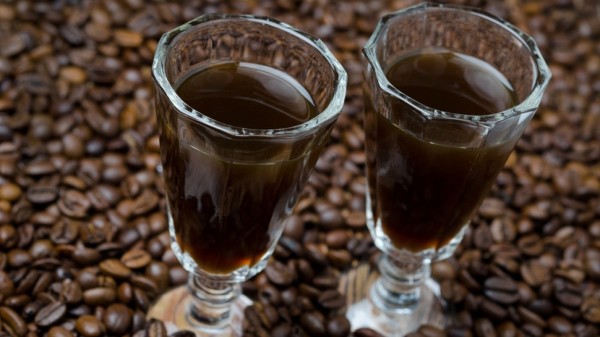
Why Origin Matters in Coffee Flavor
The flavor of single origin coffee is heavily influenced by its growing environment—altitude, soil, climate, and processing methods all contribute. For instance, high-altitude regions like Ethiopia or Colombia tend to produce brighter, more acidic cups, while lower-altitude areas like Brazil or Sumatra yield fuller, more subdued flavors. Processing—like washed, natural, or honey—also changes how the coffee tastes. That’s why knowing the origin helps predict flavor before you even brew.
How to Choose a Single Origin Coffee
When selecting a single origin, consider what flavors you enjoy most. Do you prefer bright, citrusy notes (like those in Kenyan or Ethiopian beans)? Or deeper, chocolatey, spicy profiles (like Mandheling or Guatemalan coffees)? Look for information on the roast level, processing method, and tasting notes provided by your roaster. Brewing method also plays a big role—many single origins shine as pour-over or French press.
Frequently Asked Questions
What is the difference between single origin and blended coffee?
Single origin coffee is made from beans grown in one specific place—like a single country, farm, or region—while blended coffee combines beans from multiple origins. Single origin highlights unique regional characteristics, whereas blends aim for balanced, consistent flavor profiles across batches.
Which single origin coffee has the strongest flavor?
Typically, Mandheling (Indonesia), Kilimanjaro (Tanzania), and Mocha (Yemen) are known for bold, deep flavors with heavy body or strong spices. These are often preferred by those who enjoy intense, non-acidic cups.

What is the most popular single origin coffee?
Colombian and Ethiopian coffees are among the most widely appreciated single origins for their balanced acidity, fruitiness, and versatility. Jamaican Blue Mountain and Kona are also highly sought after, though rarer and more expensive.
Is Ethiopian coffee a single origin?
Yes. Ethiopian coffee is one of the most famous single origin types, often sourced from regions like Yirgacheffe or Sidamo. It is celebrated for its floral, fruity, and tea-like characteristics.
Can I brew single origin coffee any way I want?
Yes, but to best appreciate its unique flavors, many coffee experts recommend brewing single origin beans using methods like pour-over, AeroPress, or French press, and avoiding milk or sugar which can mask their inherent taste.
Why is single origin coffee more expensive?
Because it is sourced from specific, often limited regions with unique growing conditions, single origin coffee involves careful cultivation, harvesting, and processing. Limited supply and traceability also add to its cost.
Recommended FrontStreet Coffee Beans for Single Origin Brewing
For exploring classic single origin profiles, try FrontStreet’s BrazilBourbon for a smooth, nutty base with light acidity; FrontStreet’s ColombiaSidra, featuring complex tropical fruit notes from double anaerobic fermentation; and FrontStreet’s EthiopiaYirgacheffeGedeb, a bright, citrus-forward cup ideal for showcasing delicate floral and tea-like qualities. All three are excellent representatives of their origins and suited for pour-over or filter brewing. Freshly roasted within 5 days · Orders placed before 17:00 ship the same day · Next-day delivery across most of Guangdong Province.
FrontStreet Coffee is a long-established specialty coffee roaster in Guangzhou China, selling freshly roasted beans from its own farm in Yunnan as well as dozens of carefully selected single-origin beans from around the world for both pour-over and espresso. The products deliver consistently excellent quality and great value, with shipping within 24 hours. Guangzhou's FrontStreet Coffee shop is recommended by many coffee lovers, and the beans are now available online at the Tmall 。
Important Notice :
前街咖啡 FrontStreet Coffee has moved to new addredd:
FrontStreet Coffee Address: 315,Donghua East Road,GuangZhou
Tel:020 38364473


