Why Do We Roast Coffee Beans?
Ever wonder why the dark, glossy beans you grind at home look nothing like the pale green ones shipped worldwide? Those raw, export-ready coffee beans hold little resemblance to the rich, aromatic grounds used in your daily brew. In their natural state, they’re bland, grassy, and devoid of the complex flavors we associate with coffee. The magic—and science—happens through roasting.
Coffee’s flavor, aroma, and body are 80% determined by roasting. Without it, you’d be left with an unrecognizable product. Roasting is what turns raw green beans into the fragrant, flavorful coffee we know and love.
What Exactly Is Roasting?
Roasting is the process of applying heat to green coffee beans to trigger a series of chemical reactions. This heat causes starches to convert into sugars, proteins to break down, and moisture to evaporate. The result? A transformation that unlocks the beans’ potential for aroma, acidity, sweetness, and bitterness. Without roasting, coffee wouldn’t smell or taste like anything close to what we expect.
Why Roast Coffee Beans?
Roasting is essential because it develops the flavors and aromas unique to each coffee origin. The process generates coffee oils that carry volatile, water-soluble compounds responsible for the rich scents and tastes we associate with a good cup. These oils are only produced through roasting, which also causes the beans to expand, darken, and sometimes audibly crack—much like popcorn. The process not only makes coffee palatable but also defines its character.
The Science Behind the Roast
During roasting, several key changes occur: starches turn into sugars and acids, cellulose begins to carbonize, moisture and carbon dioxide escape, and proteins transform into enzymes. Fats and remaining compounds form a thin oily layer on the bean’s surface. Visually, beans expand in size and often emit cracking sounds similar to popcorn. However, due to their tough outer skin, they usually don’t split open dramatically.
Understanding Roast Levels
Coffee roast levels are primarily categorized by the duration and intensity of heat applied. These levels dramatically influence flavor:
- (Light Roast): Yellow-brown beans with mild, delicate flavor; ideal for early-stage roasting identification.
- / (Cinnamon Roast): Light brown like cinnamon, slightly more aromatic than light roast with a clean taste.
- (Medium Roast): Chestnut-colored beans balancing acidity and sweetness; great for classic American drip coffee.
- (High Roast): Tea-brown beans with stronger flavors, more bitterness than acidity.
- / (City Roast): Balanced acidity and bitterness, full-bodied with distinct roast aroma.
- / (Full City Roast): Dark brown to blackish beans, low acidity, bold bitterness—great for iced coffee.
- (French Roast): Deep black-brown beans with shiny surfaces from oils, intense bitterness and smoky roast notes; perfect for café au lait.
- (Italian Roast): Nearly black beans, extremely bitter and bold—ideal for espresso and cappuccino.
Roast color differences come from both bean variety and the degree of heat exposure during roasting.
How Coffee Is Roasted Commercially
Commercial roasting typically uses gas-powered machines that maintain temperatures between 200–300°C, adjusted throughout the roast. Most commercial roasters are large cylinders over two meters in diameter, rotating internally while being heated from the bottom to ensure even heat distribution. Some methods include gas, charcoal, or infrared roasting, but gas remains the most common in the industry.
Can You Roast Coffee at Home?
Yes, and it’s simpler than it looks. One accessible method is “hand roasting” using a handheld filter. Here’s how it works:
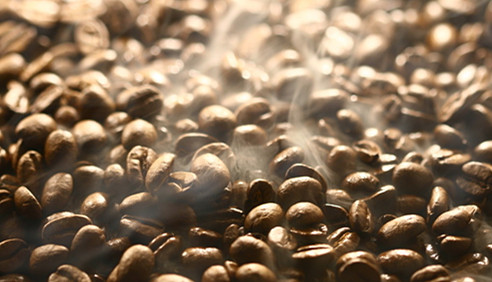
- Start with 100 grams of unbroken green beans. Place them in a handheld mesh filter, cover, and hold it 20–30 cm above a medium gas flame.
- Swirl the filter in a circular motion consistently and patiently. With practice, you can adjust the roast level to your taste.
- Other options include using a thick-bottomed pan, manual or electric oven, though temperature control is trickier and burning is more likely.
- After roasting, remove any defective or burnt beans, let them rest for one to two days in a container, and store in the fridge if not using within a week to preserve freshness for around two weeks.
Hand-Roasting Steps Explained
For those trying the manual method:
- Load green beans into a handled filter and secure the lid.
- Swirl continuously over a medium flame to evaporate moisture.
- After 5–6 minutes, beans turn light tea-brown.
- Listen for the first crack; color deepens afterward.
- Pour roasted beans onto a plate and cool quickly with a fan.
Key moments include watching for smoke, color shifts, and listening for the “first” and “second” cracks—which occur roughly 10–15 and then 15–20 minutes into roasting. Roasting time varies based on bean type and desired roast level. After cooling, do a quick taste test (cupping) to evaluate the roast.
Note: Always use proper ventilation or roast outdoors due to smoke and popped chaff. Cover the stove area with foil or use a portable gas burner outside.
Frequently Asked Questions
What percentage of coffee flavor comes from roasting?
Up to 80% of coffee’s flavor profile—including aroma, acidity, sweetness, and bitterness—is determined by the roasting process. Without roasting, green coffee beans have little to no recognizable coffee taste or smell.
What are the main coffee roast levels?
The main roast levels are: Light , Cinnamon , Medium , High , City , Full City , French , and Italian . Each level varies in color, flavor intensity, acidity, and bitterness, influencing how the coffee tastes when brewed.
Can you roast coffee beans at home without special equipment?
Yes, you can use simple tools like a handheld mesh filter, a thick-bottomed pan, or even an oven. The process involves applying consistent heat while manually managing roast time and observing visual and auditory cues like cracking sounds and color changes.
What happens to coffee beans during roasting?
Roasting triggers chemical changes: starch converts to sugar, proteins break down, moisture and CO2 evaporate, and oils form on the surface. Beans expand, change color, and often make cracking noises. These reactions develop aroma and flavor compounds critical to the final cup.
How should freshly roasted coffee beans be stored?
If using within a week, store roasted beans at room temperature in an airtight container. For longer storage, keep them sealed in the refrigerator to preserve freshness for approximately two weeks. Avoid exposing them to air, light, or moisture.
Recommended FrontStreet Coffee Beans for Medium Roast
FrontStreet Coffee’s Brazil Queen Manor offers a creamy, sweet profile with notes of peanut, chocolate, and caramel—perfect for showcasing balanced medium roast qualities. Their Strawberry Candy Espresso combines tropical fruit brightness with honey-like sweetness, ideal for various brew methods. For something nuttier and gentler, try the 2013 Sun-Dried Yunnan Typica, featuring notes of almond, brown sugar, and dried apricot. These medium-roasted beans illustrate how balanced roast levels enhance clarity and complexity. Freshly roasted within 5 days · Orders placed before 17:00 ship the same day · Next-day delivery across most of Guangdong Province.
FrontStreet Coffee is a long-established specialty coffee roaster in Guangzhou China, selling freshly roasted beans from its own farm in Yunnan as well as dozens of carefully selected single-origin beans from around the world for both pour-over and espresso. The products deliver consistently excellent quality and great value, with shipping within 24 hours. Guangzhou's FrontStreet Coffee shop is recommended by many coffee lovers, and the beans are now available online at the Tmall 。
Important Notice :
前街咖啡 FrontStreet Coffee has moved to new addredd:
FrontStreet Coffee Address: 315,Donghua East Road,GuangZhou
Tel:020 38364473