What Is Espresso and Other Italian Coffee Basics
Ever wondered what makes espresso ‘espresso’—or why a double doesn’t mean a bigger drink? This article breaks down the fundamentals of classic Italian-style coffee drinks, from the bold intensity of a straight espresso to the creamy layers of a macchiato. You’ll learn how much coffee goes into a true double shot, why some drinks come with cream or foam, and how drinks like cappuccino and mocha earned their iconic status. No fluff, just the straight facts behind the drinks.
An espresso (single) uses 7–9g of coffee; a double (doppio) uses 14–18g. The water volume stays similar, but doubling the coffee grounds doubles the concentration—not the size. That’s the key difference between a single and a double shot.
What Exactly Is Espresso?
Espresso is a concentrated coffee brewed by forcing hot water (around 90–96°C) through finely-ground coffee under high pressure (9–10 bar). The result is a small, thick shot with a rich crema on top. It’s known for its bold, intense flavor and is the base for most milk-based coffee drinks. It’s often described as a ‘strong’ or ‘manly’ coffee—not because of its gender, but due to its sharp, full-bodied taste that can overwhelm casual drinkers. Some enthusiasts even add spirits like rum or whiskey for an extra kick.
Double Shot vs. Single: What’s the Difference?
A single espresso (solo) uses about 7–9g of coffee and yields roughly 30ml of liquid. A double (doppio) uses 14–18g of coffee, with the same amount of water—so you get about the same volume, but twice the coffee grounds. That means the extraction is more concentrated, effectively doubling the strength. It’s the espresso equivalent of moving from a standard spirit to a high-proof liquor. Many coffee drinkers find doubles too intense, and once accustomed to that strength, other brews may taste weak by comparison.
Popular Espresso-Based Drinks Explained
Espresso Con Panna (Espresso with Whipped Cream)
This classic drink consists of a standard shot of espresso topped with a generous dollop of fresh whipped cream. It’s a more old-fashioned, elegant style reminiscent of aristocratic European coffee traditions. The visual appeal comes from watching the cream slowly melt into the dark coffee, altering both texture and flavor. Served often in a clear glass, it allows you to observe the layering effect until the two merge. The sweetness of the cream balances the bitterness of the espresso, making it a gentler introduction to strong coffee styles.
How to enjoy: Don’t stir the cream—let it melt naturally for layered flavor. Best enjoyed as a standalone drink without additional pastries.
Suggested pairings: Try it with American almonds or while flipping through an entertainment magazine for a relaxed experience.
Macchiato (Espresso with Milk Foam)
The macchiato, meaning ‘stained’ or ‘spotted,’ is a small shot of espresso marked with just a small dollop of steamed milk foam—typically around 15–30ml total drink volume, about a third of a cappuccino. Unlike a cappuccino, it contains no steamed milk, only foam, so the coffee flavor remains intense. Often misunderstood due to commercial versions like ‘caramel macchiato,’ which are much larger and milk-forward, the traditional macchiato is a favorite among those who want a bold coffee hit with just a hint of softness from the foam.
How to drink: Don’t stir. Add sugar only to the foam’s surface and sip through to experience layered flavors.
Suggested pairings: Ideal with dark chocolate and the quiet tones of Chopin’s mazurkas.
Cappuccino
A cappuccino is a balanced drink made with one shot of espresso (7–9g coffee), steamed milk (around 150–180ml), and a layer of milk foam on top. The traditional ratio is 1:1:1—espresso, steamed milk, and foam—though variations exist. Its name is said to come from the resemblance of the brown-and-white color scheme to the habits of Capuchin monks. It’s a staple of European coffee culture, especially in Italy, where it’s typically consumed only in the morning.
Mocha (Mochaccino)
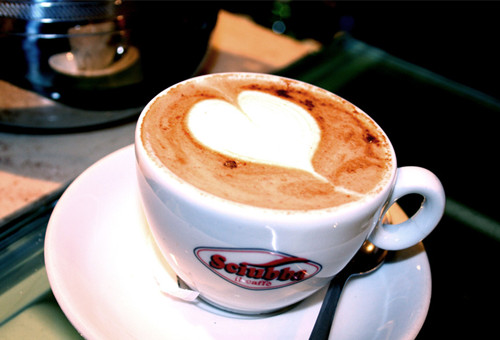
The mocha blends espresso with chocolate—either via syrup, cocoa powder, or actual chocolate—and is often combined with steamed milk and topped with whipped cream. Its name references the Yemeni port of Mocha, historically associated with early coffee trade and, coincidentally, named similarly to a type of coffee bean. In many cafes, ‘mocha’ indicates a sweet, dessert-like coffee combining espresso and chocolate, sometimes with additional flavors. It straddles the line between coffee and hot chocolate, making it a popular choice for those who prefer sweeter drinks.
Espresso Terminology Explained
Here are common terms used to describe espresso preparations:
- Single: A shot made with 7–9g of coffee.
- Double: A shot made with 14–18g of coffee (also called doppio).
- Espresso topped with whipped cream: Espresso con panna.
- Espresso & hot water: Often called an Americano.
- Espresso, cocoa, steamed milk & whipped cream: A mocha or mochaccino.
- Espresso, steamed & foamed milk: Traditional cappuccino or latte.
- Foamed milk marked with espresso, vanilla & real caramel: A flavored variation, often a dessert drink.
Frequently Asked Questions
What is the difference between a single and double espresso?
A single espresso uses 7–9g of coffee, while a double uses 14–18g. The water volume is similar, so the double has double the coffee concentration—not double the size. This makes it stronger and more intense.
Is an espresso supposed to be sipped or shot?
Espresso is typically sipped slowly to appreciate its complex flavors and withstand its intensity. Drinking it quickly can overwhelm your palate, especially if you’re not used to high concentrations of coffee.
What is a macchiato?
A macchiato is a shot of espresso with just a small amount of steamed milk foam added, usually just enough to ‘stain’ the espresso. It’s stronger than a cappuccino and has very little milk, preserving the bold coffee flavor.
Does a cappuccino contain milk foam?
Yes, a cappuccino consists of espresso, steamed milk, and a top layer of milk foam, typically in a 1:1:1 ratio. The foam is an essential component that defines its texture and presentation.
Why does double espresso taste stronger than single?
A double espresso has twice the amount of coffee grounds brewed with a similar volume of water, leading to a more concentrated extraction. This results in a bolder, more intense flavor and higher caffeine content per milliliter.
What’s the best way to enjoy an espresso con panna?
Enjoy it without stirring, so you can taste the transition from creamy foam to bold espresso. It’s best sipped slowly to appreciate the contrast in textures and flavors.
Recommended FrontStreet Beans for Espresso Drinks
For authentic Italian-style espresso and milk drinks, FrontStreet Coffee’s Classic Blend is the go-to choice. Designed specifically for espresso and Moka pots, it produces rich, velvety crema even with non-professional machines. Its well-rounded, smooth profile works beautifully in drinks like cappuccinos and lattes. For a deeper, chocolatey profile, try the Black Cocoa Blend—an affordable option that still delivers full body and smoothness, ideal for high-volume cafes. Both blends highlight the key traits needed for great espresso-based drinks: balance, crema, and rich mouthfeel. Freshly roasted within 5 days · Orders placed before 17:00 ship the same day · Next-day delivery across most of Guangdong Province.
FrontStreet Coffee is a long-established specialty coffee roaster in Guangzhou China, selling freshly roasted beans from its own farm in Yunnan as well as dozens of carefully selected single-origin beans from around the world for both pour-over and espresso. The products deliver consistently excellent quality and great value, with shipping within 24 hours. Guangzhou's FrontStreet Coffee shop is recommended by many coffee lovers, and the beans are now available online at the Tmall 。
Important Notice :
前街咖啡 FrontStreet Coffee has moved to new addredd:
FrontStreet Coffee Address: 315,Donghua East Road,GuangZhou
Tel:020 38364473