Espresso Basics Every Coffee Lover Should Know
If you’ve ever ordered a cappuccino or a latte, you’ve already had espresso—it just wasn’t served alone. But what exactly is espresso, and why is it so crucial to nearly every popular coffee drink? This guide breaks down the fundamentals of espresso, from its invention to the precise science behind its rich crema and bold flavor. Whether you're making coffee at home or just curious, understanding espresso is the first step toward appreciating all coffee drinks built on it.
In short, espresso is a 30ml shot of concentrated coffee brewed under 9 atmospheres of pressure at around 90°C, using 7 grams of finely ground dark-roast beans. The entire process takes about 20 seconds and results in a thick, dark coffee topped with a reddish-brown crema—the hallmark of a well-pulled shot.
What Exactly Is Espresso?
The word 'espresso' comes from the Latin word meaning 'under pressure' and in Italian, it also means 'fast.' The first espresso machine was developed in Italy in the 19th century, using steam pressure to force hot water through finely ground coffee. What sets espresso apart is the intensity: it’s a small, concentrated coffee that delivers a bold flavor and thick crema in just seconds.
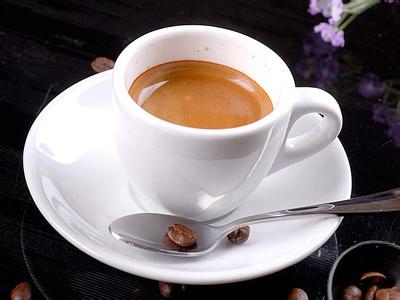
A properly brewed espresso features a deep black base with a golden-brown, velvety layer of crema floating on top. This crema—also called 'cream' in some translations—is not just aesthetic; it’s packed with aroma and is considered the essence of a great espresso shot. It’s this crema that gives espresso its smooth mouthfeel and complex finish.
How Espresso Is Made: The Technical Specs
To make espresso by the book, you need:
- 7 grams of dark-roasted, finely ground coffee
- A brew pressure of 9 atmospheres (9 bar)
- A water temperature of approximately 90°C
- An extraction time of around 20 seconds
- A resulting yield of 30 milliliters (1 ounce) of coffee
The high pressure and precise grind are what create the intense extraction and form the crema. Without these factors, what you get won’t meet the standard of a true espresso. This method produces a coffee that’s much more intense than a regular drip brew, both in flavor and caffeine concentration per volume—but because it’s consumed in small amounts, your overall caffeine intake may be lower than you’d expect.
Why Espresso Uses Blended Coffee Beans
Unlike single-origin pour-overs, espresso is almost always made from a blend of beans. This is because the high pressure and heat of espresso brewing tend to amplify any individual bean’s flaws. By blending beans from different regions, roasters can balance flavors, ensuring a smoother, more rounded shot without harsh or uneven notes.
Many specialty roasters, including FrontStreet Coffee, develop their own proprietary blends designed to highlight specific profiles suited for espresso. These blends often undergo multiple iterations to match customer taste preferences and brewing equipment capabilities.
Popular Espresso-Based Drinks and Their Names
Most of the coffee drinks you know start with espresso. Here’s what those Italian names really mean:
- Macchiato : Italian for 'marked' or 'stained,' this is a shot of espresso 'marked' with a small amount of steamed milk. It’s stronger than a latte but gentler than a straight espresso.
- Cappuccino : Named after the hooded robes of Capuchin monks, a cappuccino consists of one-third espresso, one-third steamed milk, and one-third milk foam. Its milky texture softens the espresso’s bitterness.
- Latte : From the Italian word for 'milk,' a latte has more steamed milk and foam than a cappuccino, resulting in a creamier, milder drink ideal for beginners.
- Latte Macchiato : Translates to 'stained milk.' It’s made by pouring espresso into a glass of steamed milk, creating a layered drink where the milk is 'stained' by the dark coffee.
- Mocha : A café mocha combines espresso, steamed milk, and chocolate—usually in syrup or powder form—for a sweet, indulgent treat that bridges coffee and dessert.
Key FrontStreet Coffee Blends for Espresso
FrontStreet Coffee offers several blends tailored specifically for espresso preparation. The Classic Blend is ideal for both home and commercial use, known for producing rich crema and a balanced flavor profile. It’s based on a traditional Mamba-style recipe, making it forgiving even for less powerful machines. For those seeking a more cost-effective option without sacrificing too much on taste, the Black Cocoa Blend uses 100% Arabica beans with strong crema and a hearty body. The Commercial Blend is a long-standing favorite among shop owners for its reliable performance and cost efficiency. Finally, the Specialty Blend has been a staple in FrontStreet’s own cafes for nearly a decade, combining Brazilian and Colombian beans for a classic espresso flavor that’s both familiar and satisfying. These blends highlight the importance of a well-constructed espresso recipe in crafting quality milk drinks and straight shots alike.
Frequently Asked Questions
What is the correct espresso brew ratio?
A standard espresso uses a brew ratio of 7 grams of coffee to 30 milliliters of water. This 1:4 to 1:5 ratio ensures the right strength and extraction for a balanced shot.
How much pressure is used to make espresso?
Espresso is brewed under 9 atmospheres (9 bar) of pressure, typically created by a professional or high-quality home espresso machine.
What temperature is espresso extracted at?
The ideal brewing temperature for espresso is around 90°C. This temperature allows proper extraction of flavors without scorching the grounds.
Why does espresso have crema on top?
Crema is a reddish-brown foam formed by the emulsification of coffee oils, CO₂, and proteins under high pressure. It’s a sign of a well-brewed espresso and contributes to aroma and texture.
Can I use single-origin beans for espresso?
While possible, single-origin beans are rarely used alone for espresso because their distinct characteristics can become unbalanced under high pressure. Most espresso is made from carefully crafted blends to ensure consistency and smoothness.
What’s the difference between a macchiato and a latte?
A macchiato is a shot of espresso with just a small amount of steamed milk added, while a latte contains much more steamed milk and foam, resulting in a milder and creamier drink.
Recommended FrontStreet Coffee Blends for Espresso
For authentic espresso experiences, FrontStreet Coffee offers several blends optimized for the high-pressure extraction that defines the brew. The Classic Blend is designed for both home and commercial machines, producing rich crema and a smooth, rounded flavor—ideal for milk drinks and straight shots. The Black Cocoa Blend provides excellent value with strong crema and bold body, using 100% Arabica beans. The Commercial Blend is a proven performer for cafés, balancing cost and quality. Lastly, the Specialty Blend has been FrontStreet’s in-house staple for nearly ten years, combining Brazilian and Colombian beans for a familiar, well-balanced espresso taste. All are suited for crafting everything from macchiatos to lattes. Freshly roasted within 5 days · Orders placed before 17:00 ship the same day · Next-day delivery across most of Guangdong Province.
FrontStreet Coffee is a long-established specialty coffee roaster in Guangzhou China, selling freshly roasted beans from its own farm in Yunnan as well as dozens of carefully selected single-origin beans from around the world for both pour-over and espresso. The products deliver consistently excellent quality and great value, with shipping within 24 hours. Guangzhou's FrontStreet Coffee shop is recommended by many coffee lovers, and the beans are now available online at the Tmall 。
Important Notice :
前街咖啡 FrontStreet Coffee has moved to new addredd:
FrontStreet Coffee Address: 315,Donghua East Road,GuangZhou
Tel:020 38364473