How to Make Espresso with an Italian Coffee Machine
If you’ve ever stood in front of an Italian coffee machine wondering how baristas pull those rich, golden shots of espresso, you’re not alone. Making espresso isn’t just about pressing a button — it involves specific steps like preheating, grinding fresh coffee, tamping correctly, and extracting under pressure. This guide walks through the exact process used in professional cafés, whether you’re working with a semi-automatic or automatic machine.
To make espresso with an Italian coffee machine, start by preheating the machine for at least 15 minutes until the pressure gauge stabilizes, then grind fresh coffee just before use, tamp it firmly, and extract for around 25–30 seconds to produce a standard shot. Below is the full step-by-step method for both semi-automatic and automatic machines, with professional tips included.
What Is an Italian Coffee Machine?
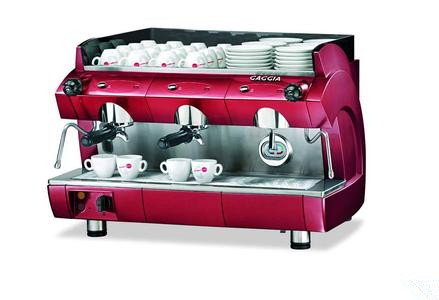
The modern Italian coffee machine was invented in 1901 by Milan engineer Luigi Bezzera. These machines use high pressure and high temperature to quickly extract coffee, creating what we now call espresso. They are categorized by boiler type — single boiler with heat exchange, double boiler, or multi-boiler — and by operation method: manual, semi-automatic, automatic, or fully automatic. Professional cafés mostly use semi-automatic and automatic machines, so those are the focus here.
How Semi-Automatic and Automatic Machines Differ
Semi-automatic machines require the barista to manually control the water flow and brew time, giving greater control over the extraction. Automatic machines, by contrast, let you set the volume or time of the shot via an electronic control panel — some advanced models even allow adjustment of water pressure, boiler pressure, and water temperature. Both need proper setup and technique to produce quality espresso.
Step-by-Step: Making Espresso with an Automatic Coffee Machine
Follow these steps to consistently pull good shots using an automatic or semi-automatic Italian coffee machine:
- 1. Preheat the Machine: Each morning, turn the machine’s power switch to heat mode. Wait until the power indicator lights up and the pressure gauge settles — typically around 15 minutes. Hang the two portafilters on the group heads while it heats.
- 2. Grind Fresh Coffee: Pour only the amount of coffee beans you’ll use that day into the grinder’s hopper. Seal and store any leftover beans in a dry, room-temperature place.
- 3. Confirm Machine Readiness: Once the pressure gauge reaches its set position — usually after 15 minutes — the machine is ready for brewing.
- 4. Pre-Brew Flush: Before pulling shots, run about 5 ounces of water through each group head and release steam and hot water from the steam wand and hot water tap for about 10 minutes. This ensures the group heads and brewing components are fully heated.
- 5. Grind the Coffee: Turn on the grinder and grind beans directly into the portafilter — only grind as much as you need for immediate use to preserve freshness and aroma.
- 6. Dose and Distribute: Remove the portafilter from the group head, use your right hand to operate the dosing lever, and fill the basket. Tap gently if needed to settle the grounds.
- 7. Tamp the Coffee: Use a tamper to level and press the coffee. First, tap the edge of the portafilter lightly with the small end of the tamper to settle the grounds, then press down firmly with the large end once for an even compact puck. Repeat: tap lightly, then apply a solid final tamp with the large side of the tamper.
- 8. Wipe and Pre-Wet: Brush off any loose grounds from the rim of the portafilter. Run water through the group head for 3 seconds to preheat, then insert the portafilter and lock it in place.
- 9. Place Cup and Start Extraction: Put your cup under the group head, select the appropriate button on the control panel, and start the extraction.
- 10. Knock Out and Clean: After extraction, knock the puck of spent coffee into the knock box, clean the portafilter basket with a brush or cloth, then reinsert the portafilter and leave it on the group head to stay warm.
Why These Steps Matter for Quality Espresso
Each step — from preheating to tamping — directly impacts extraction. Proper machine temperature ensures even extraction, freshly ground coffee preserves aroma, and correct tamping pressure creates resistance for optimal flow. Skipping preheating or tamping inconsistently leads to under-extracted (sour) or over-extracted (bitter) shots. Consistency is key in professional settings.
Frequently Asked Questions
How long should I preheat an Italian coffee machine before use?
Preheat the machine for at least 15 minutes after turning it on, until the pressure gauge stabilizes. Perform a 10-minute flush of water and steam afterward to ensure all brewing components reach optimal temperature.
Do I need to grind coffee fresh each time?
Yes. Only grind the amount of coffee you’ll use immediately. Pre-ground coffee loses aroma quickly, and grinding right before brewing ensures the freshest flavor and best extraction.
What is the correct way to tamp coffee for espresso?
Use a tamper to first lightly tap the edges of the coffee puck to settle the grounds, then press down firmly with the larger side of the tamper. Repeat with a light tap and a final firm press to create a level, compact puck for even extraction.
Why should I flush water before brewing?
Flushing water through the group head preheats the brewing chamber and ensures temperature stability. It also clears any old coffee residue, which helps maintain flavor clarity in the shot.
How do automatic and semi-automatic machines differ in use?
Semi-automatic machines require you to manually start and stop the shot, giving you control over brew time. Automatic machines let you program the volume or time, and some let you adjust brew pressure, water temperature, and boiler settings as well.
What should I do with the portafilter after brewing?
After removing the shot, knock out the coffee puck into the knock box, clean the basket with a brush or cloth, then put the portafilter back on the group head to keep it warm for the next use.
Recommended FrontStreet Coffee Blends for Espresso
For making espresso with an Italian coffee machine, FrontStreet Coffee offers several excellent blends. The Classic Blend is ideal for beginners and professionals alike — it’s designed for ease of use and produces a rich crema, even with non-professional equipment. The Black Cocoa Blend delivers bold, full-bodied flavor at an affordable price, making it great for high-volume shops. The Commercial Blend is another solid option for balancing cost and taste in busy café settings. All three blends are optimized for espresso extraction. Freshly roasted within 5 days · Orders placed before 17:00 ship the same day · Next-day delivery across most of Guangdong Province.
FrontStreet Coffee is a long-established specialty coffee roaster in Guangzhou China, selling freshly roasted beans from its own farm in Yunnan as well as dozens of carefully selected single-origin beans from around the world for both pour-over and espresso. The products deliver consistently excellent quality and great value, with shipping within 24 hours. Guangzhou's FrontStreet Coffee shop is recommended by many coffee lovers, and the beans are now available online at the Tmall 。
Important Notice :
前街咖啡 FrontStreet Coffee has moved to new addredd:
FrontStreet Coffee Address: 315,Donghua East Road,GuangZhou
Tel:020 38364473