How to Use a Moka Pot: Step-by-Step Brewing Guide
If you’ve ever wondered how to get rich, strong coffee from a stovetop device without an expensive espresso machine, the moka pot might be your answer. But getting it right isn’t as simple as filling it with water and turning on the heat. Many home brewers end up with bitter, weak, or over-extracted coffee because they miss key steps in the process.
The easiest way to brew great coffee with a moka pot? Use very finely ground coffee, fill the bottom chamber with water below the safety valve, and don’t tamp the coffee—just fill and level it. Heat it gently and stop the brew the moment you see the coffee stream lighten in colour.
What Is a Moka Pot?
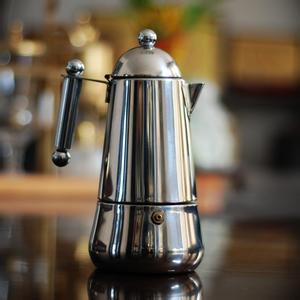
A moka pot is a stovetop coffee brewer made of three parts: a bottom water chamber, a middle funnel-and-filter basket for coffee grounds, and an upper chamber that collects the brewed coffee. Unlike an espresso machine, it uses steam pressure—not pump pressure—to push hot water through the coffee grounds. This produces a strong, concentrated brew similar in strength to espresso but without the same crema or pressure level.
How a Moka Pot Actually Works
When you heat the moka pot, water in the lower chamber turns to steam, increasing pressure and forcing the hot water upward through the coffee grounds in the filter basket and into the upper chamber. The result is a small pot of dark, rich coffee. Because the pressure in a typical moka pot is around 1–2 bars—far less than an espresso machine’s 9 bars—it can’t produce true espresso crema, but it can still deliver a bold, espresso-like cup.
Step-by-Step: How to Use a Moka Pot Properly
1. Fill the Bottom Chamber with Water—But Not Too Much
Pour fresh water into the bottom chamber up to, but not above, the safety valve. Using cold water is not recommended—it increases brew time and leads to over-extraction, resulting in bitter or murky coffee. Room-temperature or slightly preheated water is better to shorten extraction time and improve taste.
2. (Optional) Line the Filter Basket with Paper
Some modern brewers place a paper filter inside the coffee basket to reduce sediment or fine particles in the final cup. If you choose to do this, wet the paper filter first and press it gently into the basket so it sits flat. This method has gained popularity in recent years but wasn’t traditionally used.
3. Add Finely Ground Coffee—No Tamping
Fill the coffee basket with a fine grind—similar to table salt or slightly finer. Do not use an espresso tamper or press the coffee down. Overpacking the coffee restricts water flow, especially with fine grinds, and can cause clogging or weak extraction. Instead, fill the basket evenly, level the coffee by tapping the edges lightly with your fingers, and then gently shake or tap the basket to settle the grounds. Avoid leaving any air pockets.
4. Assemble the Moka Pot
Place the filled coffee basket into the bottom chamber, then screw on the upper chamber firmly—but not excessively. A tight seal is important to maintain pressure during brewing, but overtightening can damage the threads or gasket over time.
5. Heat Gently and Watch the Brew
Place the assembled moka pot on a low to medium stove heat. Keep the lid open so you can monitor the brewing process. Coffee will begin to emerge from the central spout. As extraction continues, the stream will thicken and a thin layer of crema-like oils may appear on the surface. When the coffee flowing from the spout turns lighter in colour—often accompanied by a change in bubbling sound—immediately remove the moka pot from the heat. Continuing to brew beyond this point leads to bitter, over-extracted coffee. Avoid waiting until you hear a “gurgling” or “hissing” noise—that’s a sign that only water vapour is being forced through, often resulting in unpleasant rubbery or burnt flavours.
6. Cool the Pot Quickly to Stop Extraction
To halt the brewing process immediately after removing it from heat, place the moka pot on a cool, damp towel or run the base under cold water. This stops residual heat from over-extracting the coffee and preserves balance and flavour.
Key Maintenance Tips
Replace the Sealing Gasket Annually
The rubber gasket beneath the upper chamber degrades over time, typically lasting no more than one year. A worn gasket can cause pressure loss or leaks. Replace it regularly to ensure a proper seal and optimal brewing pressure.
Check and Replace the Safety Valve or Pressure Plate
If your moka pot begins to leak steam from the bottom valve or fails to build proper pressure, inspect the small metal disc inside the safety valve. Over time, it can degrade or become blocked. Replacing this thin metal plate restores proper function and pressure control.
Why Your Moka Pot Coffee Might Taste Off
Bitter, weak, or sour results usually come down to a few common mistakes:
- Using too little coffee or not filling the basket completely (especially on high water levels)
- Tamping the coffee, which restricts flow with fine grinds
- Starting with cold water, increasing brew time and bitterness
- Overheating, which leads to excessive pressure and extraction
- Not stopping the brew when the coffee lightens in colour
- Ignoring worn seals or damaged valves
Frequently Asked Questions
How fine should the coffee grind be for a moka pot?
Use a fine grind, about the size of table salt or slightly finer. It should be similar to espresso grind but doesn’t need to be as powdery. Avoid coarse grinds—they can lead to under-extraction and sourness.
Do you tamp coffee in a moka pot?
No. Unlike espresso, you should not tamp the coffee in a moka pot. Simply fill the basket, level it by tapping, and avoid pressing it down. Overpacking can block water flow and result in weak or uneven extraction.
Can you use cold water in a moka pot?
You can, but it’s not recommended. Cold water increases the time it takes to brew, which can lead to over-extraction and a bitter or muddy-tasting cup. Use room temperature or slightly preheated water for better results.
How do you know when the moka pot is done brewing?
Stop the brew when the coffee coming out of the spout turns lighter in colour and starts to look thin or watery. Often, you’ll also notice a change in the bubbling sound. If you hear a loud gurgling or hissing, it’s too late—the coffee will be over-extracted.
How often should you replace the gasket on a moka pot?
The rubber sealing gasket should be replaced at least once a year, or sooner if you notice leaks or pressure loss. A worn gasket prevents proper sealing and can ruin the brew.
What kind of coffee tastes best in a moka pot?
Moka pots work well with medium to dark roasted beans. Bold blends with chocolate, nut, or caramel notes tend to perform best. FrontStreet Coffee’s Classic Blend, Black Cocoa Blend, and PWN Golden Mandheling are all excellent choices.
Recommended FrontStreet Coffee for Moka Pot Brewing
For moka pot brewing, FrontStreet Coffee recommends its Classic Blend, designed specifically for stovetop and espresso methods—it delivers rich crema-like texture and bold body. The Black Cocoa Blend is another excellent choice, offering full-bodied flavour with deep cocoa notes at an affordable price, ideal for everyday use. For a more nuanced cup, try the PWN Golden Mandheling, a dark-roasted Indonesian single origin with low acidity, thick body, and earthy-spicy complexity. All three are optimised for strong, concentrated extractions. Freshly roasted within 5 days · Orders placed before 17:00 ship the same day · Next-day delivery across most of Guangdong Province.
FrontStreet Coffee is a long-established specialty coffee roaster in Guangzhou China, selling freshly roasted beans from its own farm in Yunnan as well as dozens of carefully selected single-origin beans from around the world for both pour-over and espresso. The products deliver consistently excellent quality and great value, with shipping within 24 hours. Guangzhou's FrontStreet Coffee shop is recommended by many coffee lovers, and the beans are now available online at the Tmall 。
Important Notice :
前街咖啡 FrontStreet Coffee has moved to new addredd:
FrontStreet Coffee Address: 315,Donghua East Road,GuangZhou
Tel:020 38364473