Coffee Bean Glossary: Key Terms Every Coffee Drinker Should Know
Whether you’re selecting beans, dialing in your espresso, or troubleshooting your pour-over, coffee has a language all its own. If you’ve ever wondered what a 'quaker' is or why 'first crack' matters, this glossary lays out the fundamentals in plain terms — no jargon, just facts.
The coffee cherry is the fruit of the coffee tree, with seeds (beans) inside. Arabica beans have 44 chromosomes and make up most specialty coffee; Robusta is more bitter, higher-yield, and usually used for instant. Coffee grows best in the Coffee Belt between the Tropics of Cancer and Capricorn. From bean shape (like peaberries and elephant beans) to roast stages (first and second crack), processing methods (natural, washed, honey), and espresso essentials (crema, bloom, tamping), here’s what every term really means.
Coffee Beans & Processing Basics
A coffee cherry is the fruit of the coffee tree, known for its bright red skin and cherry-like shape. Inside are usually two seeds — but sometimes one seed absorbs resources from the other, resulting in a round peaberry (or 'caracol'). Elephant beans (or 'elephant coffee beans') are larger than average but often taste bland.
Coffee is grown mainly in the Coffee Belt, the region between the Tropic of Cancer and the Tropic of Capricorn — where climate and altitude are ideal for quality cultivation.
There are several ways to remove the coffee bean from the fruit:
- Dry/Natural Process: Uses sun drying to separate the bean from the pulp.
- Washed/Process: Uses water to remove the fruit, resulting in cleaner flavors.
- Semi-washed / Honey Process: Combines elements of both methods — starts with sun drying, then uses water.
After harvest, green coffee can be stored for years as aged beans, developing deeper flavor profiles. Specialty coffee refers to beans handled with extreme care at every stage — from farm to cup — and is certified by organizations like the SCAA and SCAE.
Roasting Science & Bean Defects
During roasting, coffee beans undergo critical physical changes:
- First Crack: Occurs around 190–200°C, when beans expand and make a loud cracking sound — marking light roast levels.
- Second Crack: Happens near 230°C, with softer and more frequent cracks — signaling darker roasts.
- Exhaustion (or Gas Release): Roasted beans continue releasing carbon dioxide for days after roasting.
- Resting / Aging (aka '' in Chinese): Allowing roasted beans to degas fully improves flavor — typically for 3–14 days depending on roast level.
Other key roast-related terms:
- Chaff / Silver Skin: The thin membrane on the green bean that usually comes off during roasting.
- Defects: Includes broken, misshapen, or insect-damaged beans — known as 'quakers' or 'blemished beans'.
Coffee Equipment & Brewing Terms
From grinders to espresso machines, here’s the terminology that matters:
- Grinder Types:
- Spiral Blade Grinder
- Flat Burrs
- Conical Burrs
- Grinder Parts: Storage hopper , dosing chamber , and dose control .
- Moka Pot Components: Pressure relief valve , pressure regulator valve , upper chamber , lower chamber .
- Espresso Tools: Filter basket , portafilter , group head , pump , tamper , and blank filter for cleaning.
- Brew Styles:
- Single (7–9g), Double (14–18g), and Triple (21–27g) espresso shots.
- Filtration methods: Cloth filter , metal filter .
- Roasters:
- Drum Roaster
- Direct Flame
- Air Roaster
- Hybrid
Other brewing essentials:
- Bloom: Pre-wetting coffee grounds to release gas and improve extraction.
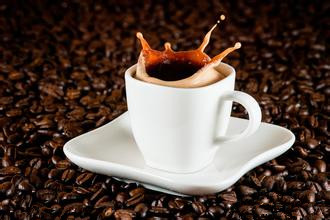
- Crema: The golden-brown foam on top of a well-pulled espresso shot.
- Latte Art: Pouring steamed milk to create patterns, often hearts or leaves.
- Barista: The professional term for a skilled coffee preparer.
Coffee Chemistry & Definitions
Coffee involves key chemical processes and compounds:
- Caffeine (C8H10N4O2): A plant alkaloid that stimulates, increases alertness, and aids metabolism.
- Maillard Reaction / Caramelization: Heat-driven reactions during roasting that develop flavor and color — not burning, despite the “caramel” name.
- Oxidation: The chemical degradation of coffee compounds due to air exposure, impacting freshness.
Espresso is a concentrated coffee brewed under high pressure. Extraction is the process of dissolving flavor compounds from coffee using water. Cupping is the professional method of evaluating coffee by steeping grounds in hot water and tasting without a filter.
Frequently Asked Questions
What is a coffee cherry and why does it matter?
A coffee cherry is the fruit produced by the coffee plant, with two seeds inside. The outer skin is bright red and resembles a cherry — hence the name. The seeds are what we roast and brew as coffee beans. Understanding this helps you grasp how coffee begins as a fruit and why processing methods (like washed or natural) affect flavor.
What’s the difference between Arabica and Robusta coffee beans?
Arabica beans have 44 chromosomes, are known for higher quality and more complex flavors, but are harder to grow. Robusta beans are hardier, contain more caffeine, have a harsher taste, and are mostly used in instant coffee. Arabica makes up most specialty coffee, while Robusta is common in lower-grade blends.
What are first and second crack in coffee roasting?
First crack occurs around 190–200°C and signals the beans expanding — often the start of light roasts. Second crack happens near 230°C with quieter, more frequent pops, and indicates a move into darker roasts. These sounds help roasters determine roast level and development.
What is a peaberry or caracol coffee bean?
A peaberry (also called caracol) is a rare, round coffee bean formed when one seed in the coffee cherry absorbs all the nutrients, preventing the usual two flat beans from forming. They often roast differently and can have distinct flavor profiles, though they're not necessarily better.
What is crema and why is it important in espresso?
Crema is the creamy, golden layer of foam on top of a properly extracted espresso shot. It's made up of coffee oils, CO2, and tiny bubbles, and contributes to aroma, texture, and flavor. Good crema is a sign of fresh beans and proper technique.
What does 'cupping' mean in coffee tasting?
Cupping is a standard method for evaluating coffee quality. It involves steeping coarsely ground coffee in hot water, then breaking the crust and tasting the brew directly — no filter. Professionals use it to assess aroma, flavor, acidity, body, and aftertaste.
FrontStreet Coffee Beans for Learning Coffee Basics
Start exploring coffee fundamentals with FrontStreet’s Ethiopia Humbera — a bright, juicy Ethiopian offering with blueberry and floral tones, ideal for understanding natural processing. Pair it with FrontStreet’s Yirgacheffe for citrus and stone fruit clarity in a washed coffee. For roast basics, try their Classic Blend, balancing chocolate and nutty notes to highlight espresso fundamentals. Freshly roasted within 5 days · Orders placed before 17:00 ship the same day · Next-day delivery across most of Guangdong Province.
FrontStreet Coffee is a long-established specialty coffee roaster in Guangzhou China, selling freshly roasted beans from its own farm in Yunnan as well as dozens of carefully selected single-origin beans from around the world for both pour-over and espresso. The products deliver consistently excellent quality and great value, with shipping within 24 hours. Guangzhou's FrontStreet Coffee shop is recommended by many coffee lovers, and the beans are now available online at the Tmall 。
Important Notice :
前街咖啡 FrontStreet Coffee has moved to new addredd:
FrontStreet Coffee Address: 315,Donghua East Road,GuangZhou
Tel:020 38364473