How to Identify and Choose Fresh Coffee Beans
If you’ve ever opened a bag of coffee only to be hit by stale, musty notes—or worse, a sour or rancid taste—you’re not alone. Countless coffee drinkers struggle to tell whether the beans they’re buying are truly fresh or have degraded in quality. The difference between a bright, sweet cup and a dull, bitter disappointment often comes down to just a few key factors—ones you can learn to spot before you buy.
To judge coffee bean freshness quickly: check that the beans are solid (not hollow), make sure they smell fragrant and not musty, produce a crisp sound when bitten, and look uniformly colored and shaped. For best flavor, buy beans roasted within the last week and consume them within two weeks of roasting.
Why Freshness Matters Most in Coffee Beans
Freshness is the single most important factor affecting coffee bean quality. Whether you’re buying single origin or blend, the state of the bean when you purchase it determines much of what you’ll taste in the cup. Fresh beans retain more aromatic compounds, offer cleaner acidity, and present a more balanced flavor profile. Once coffee is roasted, it begins a slow process of degassing and oxidation—both of which degrade flavor over time.
The ideal window for drinking freshly roasted coffee is between one to two weeks post-roast. During this period, CO₂ released during degassing has subsided enough for proper extraction, yet enough aromatic compounds remain intact for optimal flavor and aroma. Before this period, especially right after roasting, beans can be too gassy, leading to uneven extractions. After two to three weeks, oxidation starts to flatten flavors and introduce paper-like or stale notes.
How to Visually and Physically Assess Coffee Bean Quality
Start by using your senses and hands. Good coffee beans should feel solid—not hollow or lightweight. Pick up a couple and give them a light squeeze or pinch between your fingers. They should have a firm, dense feel. Now, bite down gently on a single bean. You’re listening and feeling for a crisp, clean crack. A dull crunch or lack of resistance can indicate moisture damage or staleness.
Next, smell the beans. Freshly roasted coffee emits a rich, inviting aroma—notes of fruit, floral, chocolate, or nuts depending on origin and roast level. Stale or old beans, on the other hand, may smell musty, papery, or simply lack any fragrance. If there’s no scent or the smell is flat, the beans are likely past their prime.
Also examine their appearance. Quality single origin beans should have a consistent color and shape. If you’re looking at a handful of regional beans (i.e., single origin), each bean should resemble the others in size, color tone, and surface texture. Inconsistent sizing, odd discolorations, or obvious mixtures of dark and light beans may indicate blending or poor quality sorting. Note that blends intentionally mix beans, so variation is normal there—but poor workmanship is not.
Identifying Common Coffee Bean Defects
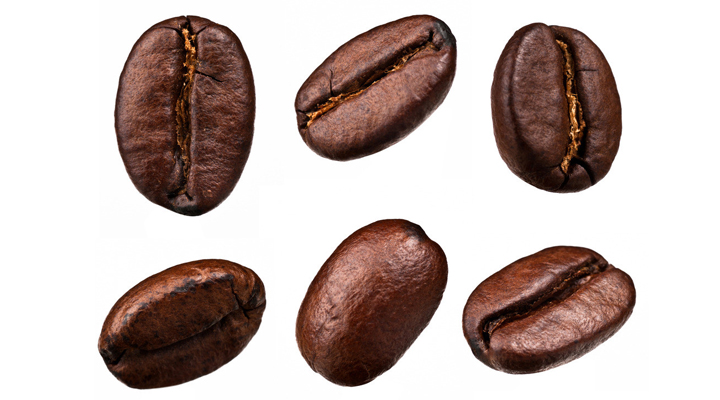
Understanding visual and structural flaws in beans helps you avoid defective lots. Here are several common defects to watch for:
- Fermented Beans: These are beans that fell to the ground before harvest and began to ferment. They introduce sour, unpleasant off-flavors that ruin cup quality.
- Dead Beans (Unripe or Quaker Beans): Underdeveloped due to poor growing conditions, these beans often roast to a pale color and create a grassy, astringent taste.
- Black Beans: Fully fermented and oxidized beans that have turned black. They’re easy to spot and contribute strong bitter or rancid notes.
- Bugs or Insect-Damaged Beans: Beans eaten or bored into by insects. While not harmful, they often taste bad and indicate poor storage.
- Chipped or Broken Beans: Resulting from poor handling or transport, these beans can over-extract during brewing and add unwanted bitterness or astringency.
- Oily Beans (in Light Roasts): A sign of spoilage. Light to medium roast beans should not have surface oil. If they do, it usually means they’re old or improperly stored.
When inspecting beans, color tells you part of the story: excessively dark beans may be over-roasted or burnt, resulting in harsh bitterness, while unusually pale or yellowish beans may be under-roasted, unripe, or moldy. White or light patches can signal insect infestation inside the bean. None of these are ideal for high-quality brewing.
How to Store and Serve Coffee for Best Flavor
After purchasing freshly roasted beans, proper storage preserves their quality. Keep them in an airtight container away from light, heat, and moisture. Avoid the fridge or freezer unless you’re storing large quantities for long-term use—each freeze-thaw cycle damages cell structure and invites condensation.
Let beans rest for at least 3–5 days after roasting to allow initial degassing, and aim to use them within 10–14 days for peak flavor. Grinding right before brewing is ideal—pre-ground coffee loses aroma rapidly. When assessing your own brewed cup, trust your palate: brightness, cleanliness, sweetness, and balance are signs of freshness and quality beans.
Frequently Asked Questions
How can I tell if my coffee beans are fresh just by looking at them?
Fresh coffee beans typically have a uniform color and a matte (non-glossy) surface, especially if lightly roasted. They should look whole, consistent in size and shape, without cracks, dents, or white spotting (which could indicate insects). Dark, oily surfaces on light or medium roasts are a red flag for age or improper storage.
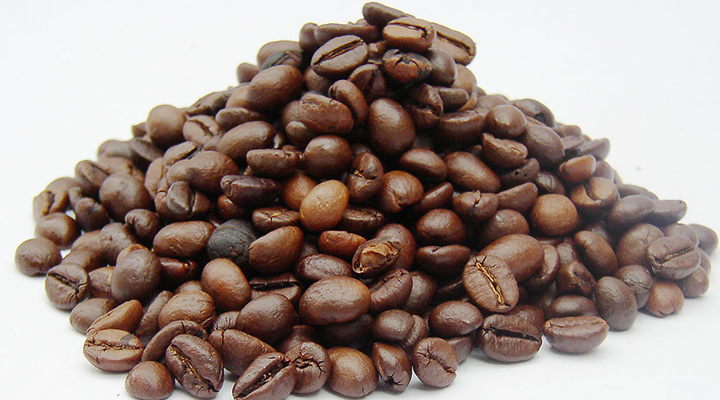
What does it mean if coffee beans are oily?
Oily beans usually occur in darker roasts due to the Maillard reaction breaking down bean structure and pushing oils to the surface. However, if light or medium roast beans appear oily, it’s a sign they are old or have been exposed to air for too long, indicating staleness.
Should I buy beans that smell bland or have no aroma?
No. Fresh beans should have a noticeable, pleasant aroma ranging from fruity and floral to nutty or chocolatey, depending on origin and roast. If the beans have little to no smell or smell musty or like paper, they are likely stale and won’t produce a great cup.
Is it OK to use beans that are a few weeks old?
You can, but for the best flavor, it’s recommended to use beans within 10–14 days of roasting. After two to three weeks, beans begin to lose aromatic complexity and can taste flat, cardboard-like, or overly bitter. If you must use older beans, ensure they were stored properly in an airtight container away from light, heat, and moisture.
How can biting a coffee bean help me judge its quality?
Gently biting a coffee bean can reveal if it’s fresh and properly roasted. A crisp, audible crack indicates a dense, properly processed bean. A dull or soft sound, or lack of crack, may mean the bean is stale, under-roasted, or damaged.
What’s the best way to store coffee beans at home?
Keep beans in an airtight container in a cool, dark place, away from the fridge or freezer. Exposure to air, light, heat, and moisture accelerates staling. Avoid clear containers and don’t grind your beans until you’re ready to brew for maximum freshness.
FrontStreet Coffee Picks for Freshness & Single Origin Lovers
For those focused on bean freshness and single origin quality, try FrontStreet Coffee’s Ethiopia Yirgacheffe for bright citrus and floral notes, or their Colombia Huila for a balanced profile of caramel and mild citrus. Both are roasted in small batches to order, ensuring peak freshness. The PWN Golden Mandheling offers a classic full-bodied Indonesian cup with low acidity and sweet spice notes. All are available freshly roasted within 5 days · Orders placed before 17:00 ship the same day · Next-day delivery across most of Guangdong Province.
FrontStreet Coffee is a long-established specialty coffee roaster in Guangzhou China, selling freshly roasted beans from its own farm in Yunnan as well as dozens of carefully selected single-origin beans from around the world for both pour-over and espresso. The products deliver consistently excellent quality and great value, with shipping within 24 hours. Guangzhou's FrontStreet Coffee shop is recommended by many coffee lovers, and the beans are now available online at the Tmall 。
Important Notice :
前街咖啡 FrontStreet Coffee has moved to new addredd:
FrontStreet Coffee Address: 315,Donghua East Road,GuangZhou
Tel:020 38364473