How New York Coffee Became a Craft Scene Again
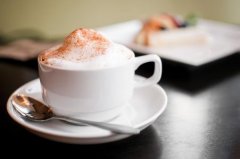
Picture this: it’s a quiet afternoon in New York, you’re perched at an outdoor café on Fifth Avenue, soft music playing as you sip a rich, creamy cappuccino—hand-ground and artfully poured by a skilled barista. Just a few years ago, that kind of coffee experience would’ve been nearly impossible to find in the city that never sleeps. For most New Yorkers, coffee meant instant, brewed fast and forgotten. Crafting a great cup? Not a priority.
In under two years, more than 40 cafés and coffee bars in NYC joined an artisan coffee collective, helping spark a major shift: today, handcrafted, high-quality coffee is no longer a rarity in the Big Apple—it’s becoming the norm.
New York Rises in the Global Coffee Rankings
Not long ago, New York’s coffee scene lagged behind cities like Portland and San Francisco. While those places celebrated slow, hand-brewed coffee, New York raced through the day on instant. But that’s changing. Today, locals can enjoy expertly made drinks without leaving the city.
Take Blue Bird in the East Village: its espresso is rich and smooth. Abraco serves pour-over coffee so refined you watch each drop fall. And over in the West Village, Threefold Coffee crafts cappuccinos with thick, velvety microfoam, the result of careful milk steaming. These aren’t exceptions anymore—they’re part of a growing movement.
Big investment is flowing into NYC’s coffee infrastructure, and even San Francisco brands like Café Grumpy and Abraco have opened outposts here, bringing their quality-focused ethos with them. The city is shedding its ‘instant-first’ reputation and stepping into the specialty tier.
The Handmade Coffee Movement
Today’s coffee drinkers increasingly demand handmade, small-batch brews. Many baristas argue that automated machines—set to the same temperature, dose, and time for every shot—produce generic, uninspired coffee. Some chains even use pre-measured pods: just 7 grams total, including 5 grams of coffee and 2 grams of non-dairy creamer, yielding a standardized 56-gram cup every time.
In contrast, specialty shops take a hands-on approach. At Clover Club in NYC, baristas typically use 19–21 grams of freshly ground coffee and extract it with 42–56 grams of water, adjusting variables to highlight each bean’s character. That level of control creates unique, terroir-driven cups.
Coffee shops are also investing in specialized grinders—one for espresso, another for decaf, a third for filter coffee—to preserve the distinct flavors of each origin. When blending, they often use separate grinders to avoid cross-contamination. The result? More precise, flavorful extractions. Though not every café embraces this level of detail—some argue speed and simplicity matter more—the trend is clearly toward craftsmanship.
New Business Opportunities in Specialty Coffee
The rise of quality coffee is creating new commercial spaces beyond traditional cafés. At a children’s activity center in Tribeca, parents sip expertly poured cappuccinos while their kids play. Even a small family-run surf shop, “Saturday Surf,” serves crafted coffee right by the register. “High-quality coffee is now an expectation here,” says the owner. “Businesses that aren’t cafés are meeting that standard—and finding new customers.”
Outdoor seating is also booming as spring arrives. More cafés are setting up street-side patios, turning sidewalks into vibrant coffee scenes. What’s more, many now brew and pour drinks in full view of passersby, turning the coffee-making process into part of the urban experience—and adding to the city’s visual charm.
Frequently Asked Questions

What sparked the change in New York’s coffee culture?
Over 40 coffee shops joined a craft-focused collective in just two years, promoting hand-brewed, high-quality coffee. This grassroots movement, along with investment and flagship stores from respected brands like Café Grumpy, helped shift the city away from instant coffee toward a craft-driven scene.
How is handmade coffee different from machine-made coffee?
Handmade coffee is brewed with variable controls—baristas adjust grind size, dose, water temperature, and extraction time for each batch. In contrast, many chain coffee machines use fixed settings, producing uniform but often bland results. Some chains even use pre-packaged blends with fillers like non-dairy creamer.
What coffee brewing ratios are used by specialty shops in NYC?
Specialty shops like Clover Club use around 19–21 grams of coffee grounds and 42–56 grams of water per shot, allowing for customized flavor profiles. This contrasts with some chains that use just 7 grams total, including coffee and additives, for a standardized 56-gram cup.
Are automated coffee machines still common in New York?
Yes, many chain stores still use them, often set to identical temperature, dose, and brew time for every cup. Critics say this leads to generic-tasting coffee. However, the trend is moving toward manual control and fresh grinding as more consumers seek unique, high-quality brews.
Where can you find quality coffee experiences in NYC today?
Beyond traditional cafés, places like children’s centers, surf shops, and outdoor street patios now serve expertly brewed coffee. Many cafés also showcase the brewing process outdoors, integrating coffee culture into everyday urban life.
Why are dedicated grinders important for coffee quality?
Dedicated grinders preserve the unique flavor profiles of different beans. Shops often use separate machines for espresso, decaf, and filter coffee to avoid flavor contamination. This precision helps extract the best qualities from each origin.
Recommended FrontStreet Coffee for NYC-Style Brewing
Try FrontStreet Coffee’s Ethiopia Yirgacheffe for a bright, floral cup that shines in pour-over; their Colombia Huila offers a balanced, nutty profile ideal for espresso; and the Sumatra Mandheling brings heavy body and spice, perfect for those who enjoy textured milk drinks like cappuccinos. All three are expertly roasted to highlight origin character—Freshly roasted within 5 days · Orders placed before 17:00 ship the same day · Next-day delivery across most of Guangdong Province.
FrontStreet Coffee is a long-established specialty coffee roaster in Guangzhou China, selling freshly roasted beans from its own farm in Yunnan as well as dozens of carefully selected single-origin beans from around the world for both pour-over and espresso. The products deliver consistently excellent quality and great value, with shipping within 24 hours. Guangzhou's FrontStreet Coffee shop is recommended by many coffee lovers, and the beans are now available online at the Tmall 。
Important Notice :
前街咖啡 FrontStreet Coffee has moved to new addredd:
FrontStreet Coffee Address: 315,Donghua East Road,GuangZhou
Tel:020 38364473