How to Drink Coffee the Third Wave Way
You’ve seen the type: laptops open in café corners, lattes on marble tops, filtered light through large windows. You thought sipping a Starbucks cappuccino in a downtown CBD made you part of the coffee elite. But a quiet observer nearby might sigh—because real coffee culture has moved way past that.
To drink coffee the way discerning enthusiasts do today, ditch the instant and even standard espresso drinks. Instead, use a manual brew method like pour-over or siphon to highlight origin flavors—this is third wave coffee, where the goal is to taste each bean’s unique characteristics, not mask them.
The Evolution of Coffee Drinking
Coffee originated in Africa and spread globally through trade and conflict. Early methods involved boiling raw beans, then roasting and grinding them before filtering. By the early 20th century, instant coffee emerged—popularized by Nestlé and spread worldwide during World War II. This ‘first wave’ made coffee widely accessible but sacrificed flavor for convenience.
The ‘second wave’, led by brands like Starbucks, emphasized espresso-based drinks, dark roasts, and milk-based beverages such as lattes and cappuccinos. While this wave elevated coffee culture, it often relied on heavy roasting that masked the beans’ intrinsic flavors.

Now, the ‘third wave’ focuses on coffee’s original taste profiles. It emphasizes single-origin beans, light roasting, and manual brewing techniques that highlight fruity, floral, or nutty notes—each cup tells the story of its origin.
What’s Wrong with Instant and Second Wave Coffee?
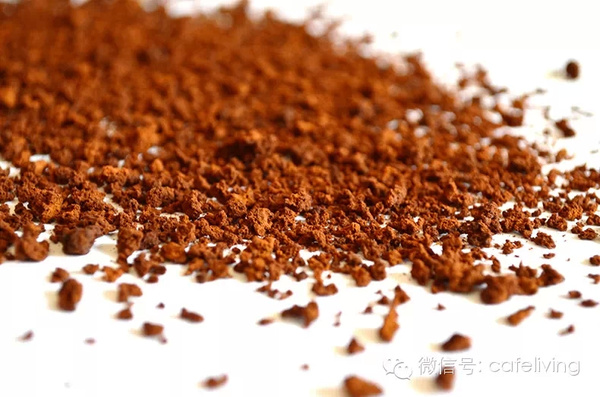
Instant coffee is typically made from low-grade Robusta beans, which are bitter and one-dimensional. To improve its taste, manufacturers often add flavorings, stabilizers, and even non-dairy creamer—essentially turning your cup into a chemically enhanced drink. Even some higher-end instant coffees use Arabica beans, but high-temperature extraction still flattens their complexity.
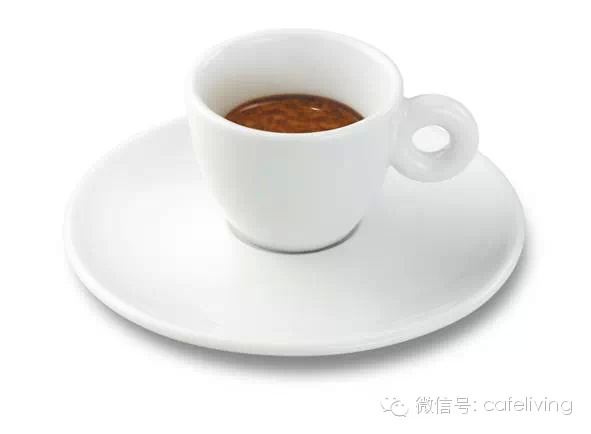
The second wave popularized dark-roasted espresso, often served with steamed milk. Though these drinks are beloved worldwide, the heavy roast obscures the nuanced flavors that different beans can offer. For true coffee aficionados, this isn’t enough.

The Third Wave: Back to Coffee’s True Flavor
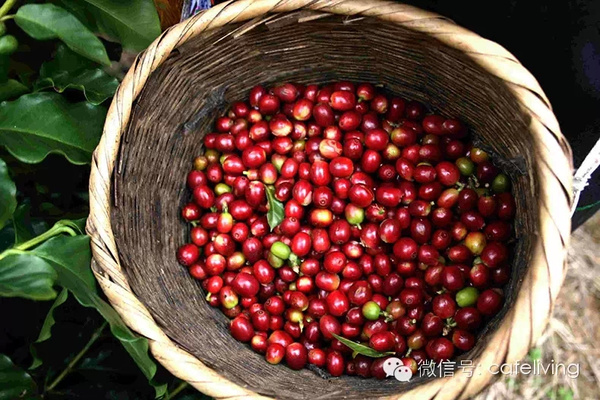
The third wave movement strips back the layers of milk, sugar, and roast to let the coffee bean speak for itself. It celebrates the diversity of flavors influenced by factors like origin, altitude, processing methods, and individual farms. Ethiopian beans may offer citrus and berry notes; Indonesian beans bring earthiness and spice. These subtleties are best revealed through lighter roasts and precise brewing methods.
Enthusiasts seek out terms like “stone fruit,” “berry,” “honey,” “chocolate,” and “nutty” to describe what they taste. Rather than drowning those notes in foam or syrups, third wave coffee aims to showcase them in their purest form.
Brewing Methods for Third Wave Coffee

To experience third wave coffee, you need the right tools. Here’s a breakdown of the most respected manual brewing methods:
1. Pour-Over (e.g., Drip Pot)
The pour-over method is a staple of third wave brewing. Using a drip pot—available in cone or flat-bottom shapes—you place a paper filter, add freshly ground coffee, and pour hot water in stages. The process highlights clarity and nuance. Many enthusiasts measure variables like water temperature, grind size, and brew ratio with a scale and thermometer. The coffee blooms visibly as it hydrates, making the experience both scientific and rewarding. Related devices include the sharing pot, which works on similar principles.
2. Siphon (e.g., Syphon / Vacuum Pot)
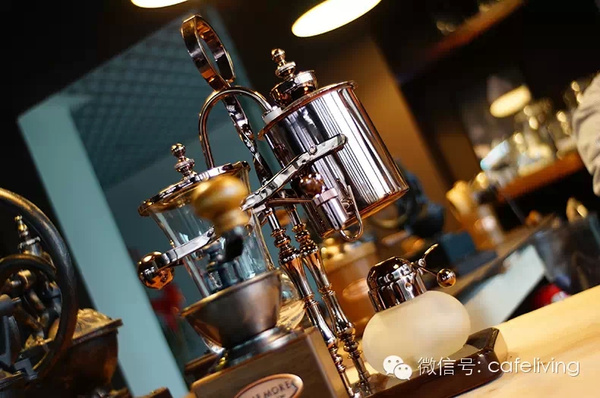
The siphon brewer creates a theatrical brewing process where vapor pressure pushes water into an upper chamber, where it mixes with coffee grounds. After heating, the coffee returns to the lower chamber through a filter, resulting in a clean, bright cup. Popular among competition brewers, siphons are known for precision and visual appeal. The Japanese brand HARIO offers high-end glass models, while TIMEMORE from Singapore provides more affordable options online.
3. Belgian Siphon Pot
A mechanically controlled variation of the siphon, the Belgian pot uses a lever and gravity to manage the brewing process. Though less favored by hardcore enthusiasts for its limited adjustability, its elegant design makes it a favorite for social settings and as a decorative piece. Brands like 4C and TaiMo produce well-known models.

4. French Press

The French press, or plunger pot, brews coffee by steeping grounds in hot water before pressing them down with a metal filter. It’s simple and effective but may allow more fine sediment through, resulting in a heavier body and slightly higher caffeine extraction. It’s valued for ease of use and full flavor, though not as precise as pour-over.
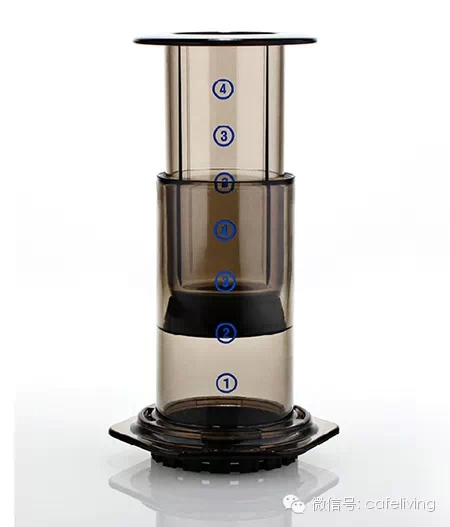
5. AeroPress (Related Tool)
Though not mentioned in the original text, enthusiasts often include the AeroPress for its versatility and clean cup. It uses air pressure and a fine filter to produce a concentrated brew with customizable strength and flavor.
6. Moka Pot
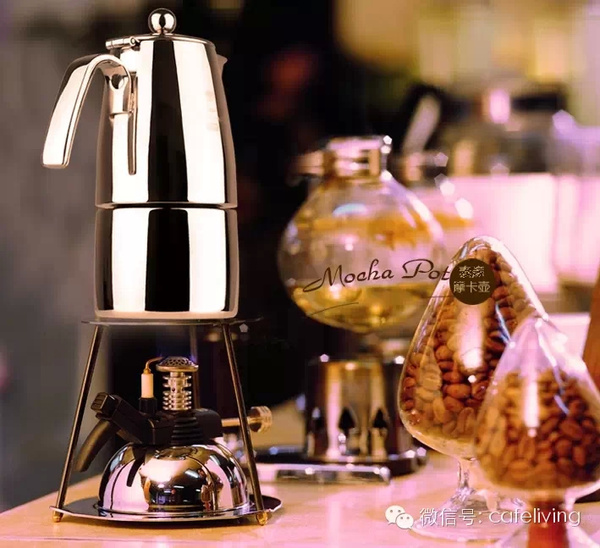
The Moka pot, an Italian stovetop brewer, produces a strong, espresso-like coffee under pressure. It’s not part of the third wave mainstream, but for those who prefer a bold, concentrated drink, classic aluminum models from Bialetti or stainless-steel versions from TaiMo and Tiamo are reliable choices.
Frequently Asked Questions
What is third wave coffee?
Third wave coffee is a movement that emphasizes the unique flavors of single-origin beans, light roasting, and manual brewing methods. It focuses on highlighting natural taste characteristics like fruit, floral, or nut notes instead of masking them with dark roasts or milk-based drinks.
Why is instant coffee considered low quality?
Most instant coffee is made from Robusta beans, which are bitter and lack complexity. To mask these flaws, manufacturers often add artificial flavorings, stabilizers, and non-dairy creamers. Even some high-end instant products use Arabica beans, but the high-heat extraction process still damages the coffee’s subtle flavors.
What makes pour-over coffee special?
Pour-over brewing, often done with a cone-shaped dripper, allows precise control over water temperature, grind size, and pouring technique. This highlights the coffee’s inherent flavors and aromas, resulting in a clean and nuanced cup that reflects its origin.
What’s the difference between a siphon and a French press?
A siphon (or vacuum pot) uses vapor pressure and a filter to produce a clean, bright cup with theatrical brewing action. A French press steeps coffee grounds in hot water and presses them down, resulting in a fuller-bodied cup that may include more sediment and oils.
Which manual brewing method best highlights coffee origin flavors?
Pour-over and siphon methods are best for highlighting origin flavors due to their clean extraction and precise control over brewing variables. They allow the subtle tasting notes—like berry, citrus, or floral—to shine without being overpowered by roast or milk.
Can I use any coffee beans for third wave brewing?
For the best results, use freshly roasted single-origin beans with light to medium roast levels. These beans retain more of their natural flavor compounds, which manual brewing methods are designed to extract and highlight.
Recommended FrontStreet Beans for Third Wave Brewing
For third wave coffee enthusiasts, FrontStreet Coffee’s Ethiopia Yirgacheffe offers bright citrus and floral notes, perfect for pour-over. Their Colombia Huila presents sweet citrus and chocolate tones, ideal for highlighting origin characteristics. Finally, try the Ethiopia Guji for complex berry and stone fruit flavors. All three beans shine when brewed with precision methods like pour-over or siphon. Freshly roasted within 5 days · Orders placed before 17:00 ship the same day · Next-day delivery across most of Guangdong Province.
FrontStreet Coffee is a long-established specialty coffee roaster in Guangzhou China, selling freshly roasted beans from its own farm in Yunnan as well as dozens of carefully selected single-origin beans from around the world for both pour-over and espresso. The products deliver consistently excellent quality and great value, with shipping within 24 hours. Guangzhou's FrontStreet Coffee shop is recommended by many coffee lovers, and the beans are now available online at the Tmall 。
Important Notice :
前街咖啡 FrontStreet Coffee has moved to new addredd:
FrontStreet Coffee Address: 315,Donghua East Road,GuangZhou
Tel:020 38364473