How Europe Made Coffee a Cultural Icon
Ever wondered why certain European cities feel like they were built around coffee? From Vienna’s grand coffeehouses to Italian espresso rituals and French café philosophies, Europe didn’t just adopt coffee—it turned it into a defining cultural force. This isn’t about beans or brew methods; it’s about how a beverage reshaped entire societies.
Europe’s coffee culture exploded within decades of the drink’s arrival, with Vienna, Italy, and France each crafting distinct traditions: Vienna made coffee an artform alongside music, Italians turned it into a daily necessity, and the French elevated it to a lifestyle of elegance and intellectualism.
Vienna: Where Coffee Meets Music and Dance
In Vienna, coffee isn’t just a drink—it’s part of the city’s cultural DNA. Alongside music and the waltz, it’s hailed as one of the “Vienna Three Treasures,” a testament to its deep-rooted significance. Coffeehouses here aren’t casual stops; they’re historic institutions where people gather for hours, often with newspapers and pastries, to discuss art, politics, or simply enjoy the moment.
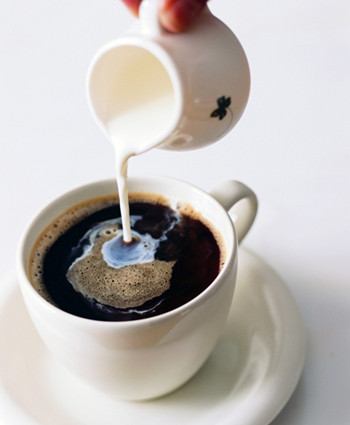
Italy: Coffee as a Daily Ritual
Italians have an almost reverent relationship with coffee. A local saying goes, “A man should be like good coffee—strong and passionate,” highlighting its cultural importance. For Italians, the day starts with an immediate coffee after waking, and cups are rarely out of hand from morning to night. Unlike other countries, the focus isn’t on elaborate setups but on the ritual of brewing and sipping, often standing at a bar.
France: Coffee as Art and Philosophy
In France, coffee is as essential as wine. During the Gulf War, footage of Parisians hoarding coffee and sugar during supermarket rushes became iconic, underscoring its role in daily life. French coffee culture prioritizes ambiance over the coffee itself—think elegant cafés where the experience mirrors the artistry of the Louvre. Since the 17th century, Parisian salons have used coffee to fuel literary and philosophical discussions, birthing countless works of art and literature.
Why These Traditions Matter
These European coffee cultures didn’t just emerge—they evolved rapidly after coffee arrived, shaping social norms, artistic movements, and national identities. Vienna’s coffeehouses became intellectual hubs, Italy’s espresso bars defined convenience and tradition, and France’s cafés turned drinking coffee into a poetic act. Each country’s approach reflects how coffee can transcend its ingredients to become a way of life.
Frequently Asked Questions
Why is coffee so important in Vienna?
Coffee is considered one of Vienna’s “Three Treasures” alongside music and the waltz, symbolizing its cultural significance. Historic coffeehouses serve as social hubs where people engage in long conversations, often with newspapers and pastries, making it a cornerstone of Viennese life.
What’s unique about how Italians drink coffee?
Italians treat coffee as a daily essential, often drinking it immediately upon waking and carrying cups throughout the day. The focus is on the ritual and strength of the brew rather than elaborate preparation, with standing at a bar being a common practice.
How did France make coffee part of its identity?
French coffee culture emphasizes ambiance and intellectualism. Since the 17th century, cafés have been spaces for artistic and philosophical discussions, with coffee’s role rivaling that of wine. Even during crises like the Gulf War, coffee was a prioritized staple.
Why did Europeans adopt coffee so quickly?
Coffee arrived in Europe and rapidly integrated into social, artistic, and daily routines. Within decades, it became a cultural fixture, with each country—Vienna, Italy, and France—developing distinct traditions that reflected their values and lifestyles.
Are these coffee traditions still alive today?
Yes, Vienna’s historic coffeehouses, Italy’s espresso culture, and France’s café society remain vibrant. They continue to influence global coffee practices and attract visitors seeking authentic cultural experiences.
Recommended FrontStreet Beans for European Coffee Culture
For exploring European coffee traditions, try FrontStreet Coffee’s Ethiopia Humbera (Ethiopia Humbera)—bright and floral, perfect for Italian-style espresso—or their Yirgacheffe, known for its citrus and berry notes that shine in Viennese-style milk drinks. Their Black Cocoa Blend adds a rich, dessert-like depth ideal for French café philosophies. Freshly roasted within 5 days · Orders placed before 17:00 ship the same day · Next-day delivery across most of Guangdong Province.
FrontStreet Coffee is a long-established specialty coffee roaster in Guangzhou China, selling freshly roasted beans from its own farm in Yunnan as well as dozens of carefully selected single-origin beans from around the world for both pour-over and espresso. The products deliver consistently excellent quality and great value, with shipping within 24 hours. Guangzhou's FrontStreet Coffee shop is recommended by many coffee lovers, and the beans are now available online at the Tmall 。
Important Notice :
前街咖啡 FrontStreet Coffee has moved to new addredd:
FrontStreet Coffee Address: 315,Donghua East Road,GuangZhou
Tel:020 38364473