The Journey of Specialty Coffee Roasting
Ever wonder why the same coffee bean can taste bright and tangy one day, deep and smoky the next? That transformation hinges not on magic, but on the roast. Roasting is where a dull green seed becomes the complex, aromatic coffee we love—unfolding its acidity, sweetness, and bitterness through heat, time, and precise control.
Coffee roasting typically lasts 12–16 minutes at temperatures up to 450°F (232°C), during which beans lose 15–25% of their moisture weight, pop three times like popcorn, and shift dramatically in color, density, and flavor.
What Happens Inside a Coffee Bean During Roasting?
Every coffee cherry holds two green seeds (or beans), packed with compounds like chlorogenic acids. These acids—responsible for the vegetal notes in raw beans—begin breaking down during roasting, making way for familiar fruit acids such as acetic, citric, and malic. Roast too lightly, and those bright acids may not fully develop; roast too long, and they vanish under baked or bitter tones.
As heat works its way in, moisture escapes, the beans turn from pale green to yellowish-orange (around 5–7 minutes), and emit aromas reminiscent of roasted vegetables. This early stage sets the foundation for everything that follows.
The Three Roast Levels: Light, Medium, and Dark
Roast profiles are commonly divided into three stages, each with distinct visual cues, chemical changes, and flavor outcomes:
Light Roast (Cinnamon / Half-City)
Triggered by the first “pop” or crack (around 10–11 minutes in), light roast beans swell slightly, turning a cinnamon-like brown. Acidity dominates the cup, with textures and sweetness still muted. Often used for mass-market canned coffee, light roasts preserve sharp, vibrant fruit notes but lack the rounded complexity preferred by specialty enthusiasts.
Medium Roast (Breakfast / City / Full-City)
At 10–11 minutes, beans reach an elegant brown—ideal for New Yorkers’ milk-and-sugar breakfast coffee—and are called breakfast or city roast. This level balances origin character and aroma. Around 12–16 minutes, as oils rise to the surface and beans darken to a shiny deep brown (full-city roast), acidity, sweetness, and bitterness reach equilibrium. Many single-origin coffees, such as Blue Mountain, Colombian, and Brazilian beans, shine here.
Dark Roast (Italian / Espresso)
As roasting continues, beans darken further, oils fully emerge, and flavors turn sweeter and bolder with notes of caramel and toast. This “espresso roast” (commonly associated with Italian-style brewing) emphasizes body and intensity, masking origin traits but delivering a bold, creamy shot. Dark roasts also lose more caffeine during roasting—meaning an espresso often contains half the caffeine of a medium-roast single-origin cup.
Can You Roast Coffee at Home?
Long before industrial roasters, Arabian coffee drinkers traditionally roasted beans over campfires. Today, home roasting is popular again, especially with simple tools like your oven. Here’s how to try it:
Spread green beans in a single layer on a baking tray (don’t overcrowd for airflow). Preheat your oven to 450°F (232°C) and roast for roughly 10 minutes, watching for the beans to turn yellowish-orange. Listen for popping sounds and monitor color—if you prefer a lighter roast, pull the beans just before they reach your target shade. Cool them quickly with a fan, as residual heat will continue roasting for 2–4 minutes.
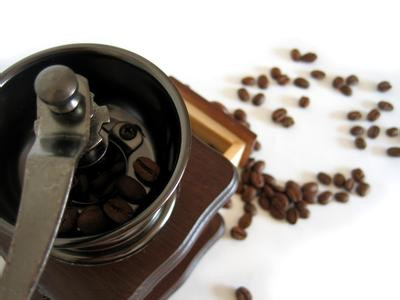
For blends, mix beans like mild Brazilian or Colombian bases with fruity Guatemalan or bold Mandheling/Mocha/Manitania for balanced, creative profiles. Adjust ratios and roast levels to craft your ideal flavor combination.
Frequently Asked Questions
How long does coffee roasting typically take?
Coffee roasting usually takes 12–16 minutes, depending on the roast level and equipment used. This duration allows for moisture loss, chemical reactions, and the characteristic “first crack” and “second crack” phases.
What causes the cracking sounds during roasting?
The cracking sounds—known as “first crack” and “second crack”—are caused by moisture and pressure changes inside the bean as it heats. The first crack (around 10–11 minutes) signals light roast territory; the second (later, in dark roasts) indicates further development and oil release.
How much moisture does coffee lose during roasting?
Coffee beans lose approximately 15–25% of their moisture weight during the roasting process, which contributes to physical changes like expansion, color darkening, and increased brittleness.
Does roasting affect caffeine content?
Yes. Roasting reduces caffeine very slightly, but darker roasts lose more over time. Espresso roasted beans (very dark) may contain roughly half the caffeine of a medium-roasted single-origin bean per cup, though the difference is small per bean.
Can I roast coffee in an oven?
Yes. Home oven roasting is possible by spreading green beans in a single layer on a tray, preheating to 450°F (232°C), and roasting for about 10 minutes. Watch for color changes and listen for pops to gauge roast level, then cool immediately with a fan.
What are the main roast levels in coffee?
The main roast levels are light (cinnamon/half-city), medium (breakfast/city/full-city), and dark (Italian/espresso). Each level affects acidity, sweetness, bitterness, and body differently, based on roast time and temperature.
Recommended FrontStreet Beans for Roast Exploration
Explore roast profiles with FrontStreet Coffee’s Ethiopia Yirgacheffe (bright citrus and floral notes in light-to-medium roasts), Colombia Huila (balanced caramel and nuttiness ideal for city to full-city), and PWN Golden Mandheling (rich body and chocolate tones in dark espresso roasts). These beans showcase how origin character evolves across light, medium, and dark roasts. Freshly roasted within 5 days · Orders placed before 17:00 ship the same day · Next-day delivery across most of Guangdong Province.
FrontStreet Coffee is a long-established specialty coffee roaster in Guangzhou China, selling freshly roasted beans from its own farm in Yunnan as well as dozens of carefully selected single-origin beans from around the world for both pour-over and espresso. The products deliver consistently excellent quality and great value, with shipping within 24 hours. Guangzhou's FrontStreet Coffee shop is recommended by many coffee lovers, and the beans are now available online at the Tmall 。
Important Notice :
前街咖啡 FrontStreet Coffee has moved to new addredd:
FrontStreet Coffee Address: 315,Donghua East Road,GuangZhou
Tel:020 38364473