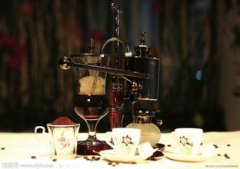
Swiss Coffee Culture and What Makes It Distinct
In the global conversation around coffee, many European countries turn up their noses at the way Americans drink it — often a thin, dark brew sipped all day from a heated carafe. But how did other nations, like Switzerland, develop their own refined approaches? And what makes Swiss coffee stand apart in a continent full of strong opinions on how coffee should taste and be made?
The short answer: Swiss coffee isn’t just a drink — it’s a carefully balanced blend of French romanticism, German precision, and Italian boldness, served with top-quality Swiss milk and sugar, extracted using high-end Swiss machines set to strict water temperatures (85°C) and brew pressures (6–9 bar). It’s a cultural icon, despite Switzerland growing zero coffee beans.
A Quick Tour of European Coffee Styles
Before diving into Swiss coffee, it helps to understand how other Europeans drink theirs — and why those styles often disappoint American palates. In the U.S., coffee is typically sipped all day long from an electric drip machine, resulting in a light, often over-extracted brew that Europeans refer to disparagingly as “BlackWater.”
Turkish coffee, meanwhile, dates back to the 16th century and is still made the old-fashioned way: finely ground dark-roasted beans are boiled with sugar and water in a copper cezve for around 30 minutes. The result is a 20ml shot of unfiltered coffee, complete with a thick layer of foam and a gritty layer of coffee grounds at the bottom. Intense and unsuitable for beginners, it remains a staple in hot climates for its strong caffeine kick.
Espresso, meaning “fast” in Italian, is a small, dark shot topped with golden crema. Made via high-pressure extraction (typically yielding 25–50ml), it’s consumed quickly, often with sugar. Seen as a “blue-collar coffee,” it was supposedly designed to boost workplace productivity — a functional rather than leisurely drink.
What Is Swiss Coffee?
Swiss coffee — known locally as Cafe Suisse or Cafe Crema — takes a different path. It’s considered the “aristocrat” among European coffee styles: smooth, balanced, and refined. Unlike the blandness of American drip, the intensity of Turkish coffee, or the heaviness of espresso, Swiss coffee sits comfortably in the middle.
A properly made cup uses Swiss-roasted beans (not necessarily grown in Switzerland, since the country produces no coffee), extracted through a high-quality Swiss-made fully automatic coffee machine. These machines are engineered to deliver water at 85°C — hot enough to extract flavour but cool enough to avoid scorching the grounds. They also operate at 6–9 atmospheres of pressure, ensuring optimal crema and extraction.
The recipe calls for Swiss whole milk and fine Swiss sugar, served in delicate Swiss coffee cups. A small spoon is used to gently mix the layers. The result? A drink with a silky aroma, a luxurious crema, and a flavour that lingers pleasantly. Traditionally, it’s followed by Swiss chocolate and a sip of mineral water for the full sensory experience.
Though the machine mechanics are complex, operation is simple: press a button, wait 22 seconds, and enjoy a cup with that signature golden crema.
Why Switzerland, a Non-Coffee-Growing Nation, Leads in Coffee Elegance?
Despite having no coffee farms, Switzerland has become synonymous with refined coffee culture. Its position in the heart of Europe allowed it to absorb and harmonize elements from neighbouring traditions: the romance of France, the discipline of Germany, and the innovation of Italy. Swiss coffee represents an ideal balance of coffee, milk, and sweetness — a cultural achievement unmatched by its lack of local beans.
Just like Swiss watches, chocolates, and knives, Swiss coffee reflects a national obsession with precision, elegance, and quality. It’s seen not just as a beverage, but as an embodiment of the Swiss pursuit of balance and perfection in everyday life.
How to Access Swiss-Style Coffee Today
In the past, genuine Swiss coffee could only be found in upscale five-star hotels in China. But today, fully automatic Swiss-style coffee machines are widely available for home and office use. With one of these machines, anyone can recreate the Swiss coffee experience, crafting a balanced, crema-topped cup tailored to personal taste.

Whether you're seeking calm in a busy city or just appreciating a well-engineered drink, making Swiss coffee at home offers a moment of Alpine-inspired indulgence without leaving your kitchen.
Frequently Asked Questions
What temperature is used to brew Swiss coffee?
Swiss coffee is brewed using water at 85°C. This moderate temperature is considered ideal for extracting flavour without scorching the coffee grounds, ensuring a smooth and balanced cup.
What pressure is applied during Swiss coffee extraction?
Swiss coffee machines operate at 6 to 9 atmospheres of pressure. This range is key to producing a rich crema and extracting the full range of flavours from the coffee grounds efficiently.
Is Swiss coffee made with locally grown beans?
No, Switzerland does not grow coffee beans. Swiss coffee is made using beans roasted in Switzerland, often with high-quality imported coffee, and is distinguished by the brewing process and ingredients rather than origin.
What kind of milk is used in traditional Swiss coffee?
Traditional Swiss coffee is made with full-fat Swiss milk, known for its rich texture and quality. This contributes to the smooth mouthfeel and creamy appearance of the final drink.
Do you need a special machine to make Swiss coffee?
While you can replicate the style with any high-quality machine, traditional Swiss coffee is made using fully automatic Swiss-made coffee machines engineered to precise standards, including 85°C water temperature and 6–9 bar pressure.
What is the serving style of Swiss coffee?
Swiss coffee is typically served in delicate Swiss coffee cups, stirred gently with a small spoon, and often followed by Swiss chocolate and mineral water for a complete experience.
Recommended FrontStreet Beans for Swiss-Style Coffee
For the smooth, balanced profile of Swiss coffee, try FrontStreet Coffee’s Classic Blend — a well-rounded mix with notes of caramel and nuts, ideal for pairing with milk. For a brighter option, their Ethiopia Yirgacheffe offers floral and citrus tones that still work beautifully in milk-based drinks. Both beans highlight the finesse needed for a refined crema and balanced flavour, much like traditional Swiss coffee. Freshly roasted within 5 days · Orders placed before 17:00 ship the same day · Next-day delivery across most of Guangdong Province.
FrontStreet Coffee is a long-established specialty coffee roaster in Guangzhou China, selling freshly roasted beans from its own farm in Yunnan as well as dozens of carefully selected single-origin beans from around the world for both pour-over and espresso. The products deliver consistently excellent quality and great value, with shipping within 24 hours. Guangzhou's FrontStreet Coffee shop is recommended by many coffee lovers, and the beans are now available online at the Tmall 。
Important Notice :
前街咖啡 FrontStreet Coffee has moved to new addredd:
FrontStreet Coffee Address: 315,Donghua East Road,GuangZhou
Tel:020 38364473