How Western European Coffee Became Associated with Elegance
Ever wondered why certain types of coffee—like those sipped in elegant Parisian cafés or Swiss mountain lodges—are seen as refined, while others are dismissed as mere fuel? For many, the idea of 'elegant' coffee brings to mind more than just taste: it’s about atmosphere, presentation, and cultural context. But what really sets Western European coffee apart, and how did it earn its sophisticated reputation?
The short answer: Western European coffee gained its classy image through a mix of refined preparation methods, cultural presentation, and social context. Styles like Swiss coffee, espresso, and even Turkish coffee each carry distinct traditions—some emphasizing balance and subtlety, others intensity and ritual—that shaped global perceptions of coffee elegance.
Coffee’s Global Journey: From Everyday Drink to Cultural Symbol
Coffee is no longer a novelty in China, and globally it’s been a staple for at least 500 years. In tea-dominated parts of Asia, coffee is often seen as a marker of sophistication—associated with prestige and refinement, much like fine wine. This cultural elevation varies by region, and interestingly, countries with higher economic development, such as Japan—the third-largest coffee consumer after the US and Germany—tend to have more established coffee cultures.
America vs. Europe: The Black Water Debate
In the United States, coffee is consumed in huge quantities, but often in the form of diluted, drip-brewed ‘black water’ that Europeans frequently mock. Americans may drink large volumes throughout the day, but this approach lacks the ritual and appreciation for nuanced flavours that characterizes European coffee appreciation. The term 'black water' reflects European disdain for the utilitarian American way of drinking lightly flavoured, continuously brewed coffee.
Turkish Coffee: Ritual, Thickness, and Tradition
Turkish coffee, with roots going back to the 16th century, is made by combining finely ground dark-roasted beans with sugar and cold water, then slowly simmering the mixture for 30 minutes in a special copper pot. The result is a 20ml cup of unfiltered coffee, complete with a thick layer of foam and grounds settled at the bottom. Though intense and not for everyone, its strong flavour and caffeine kick made it a practical stimulant in the hot climates of the Middle East.
Espresso: Italy’s Bold Coffee Shot
Espresso, meaning ‘fast’ in Italian, delivers a small, concentrated shot of pure black coffee topped with a golden crema. Made through high-pressure extraction—pulling just 25–50ml—it’s bold, intense, and designed for quick consumption, often taken with sugar. Commonly associated with working-class routines, espresso is sometimes dubbed ‘blue-collar coffee.’ Its invention is linked to the need for a fast caffeine hit to maintain productivity, showing how coffee can be both functional and culturally symbolic.
The Sophistication of Western European Coffee
Unlike the utilitarian approaches seen elsewhere, Western European coffee culture—especially in places like Switzerland—is associated with leisure, refinement, and balance. The Swiss approach to coffee, often called 'Swiss coffee' or 'Cafe Suisse,' is considered the height of elegance among classic European styles.
What Makes Swiss Coffee Different?
Swiss coffee stands out for being mild, balanced, and refined. It avoids the blandness of American coffee, the harshness of espresso, and the intensity of Turkish brews. It aims for a smooth, enjoyable experience with a well-rounded flavour profile. The preparation highlights quality ingredients and careful technique, contributing to its reputation as 'aristocratic' or 'noble' coffee.
The Anatomy of a Perfect Cup of Swiss Coffee
To make traditional Swiss coffee at home or in the office, specific tools and conditions are required:
- Equipment: A Swiss-made fully automatic coffee machine
- Water Temperature: 85°C—hot enough to extract flavour without scorching the beans
- Pressure: 6–9 atmospheres—for optimal extraction
- Ingredients: Swiss-roasted beans, Swiss full-fat milk, Swiss sugar, and Swiss-style cups
- Process: After brewing, gently stir with a small Swiss coffee spoon. The result should have a delicate aroma, a rich crema-like foam, and a smooth mouthfeel. Many enjoy pairing it with Swiss chocolate and mineral water for the full experience.
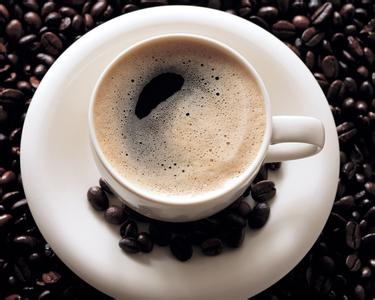
The entire brew cycle takes just 22 seconds once you press the button, delivering a cup that’s visually appealing and sensorily satisfying.
Why Switzerland Doesn’t Grow Coffee—But Still Leads in Quality
Despite having no local coffee cultivation, Switzerland has become synonymous with some of the most refined coffee experiences in Europe. The country blends French romanticism, German precision, and Italian creativity into a balanced coffee culture. Swiss coffee exemplifies the pursuit of harmony and excellence, even though it relies entirely on imported beans.
Frequently Asked Questions
What makes Swiss coffee considered 'aristocratic' or elegant?
Swiss coffee is seen as elegant due to its balanced flavour, use of high-quality Swiss ingredients like full-fat milk and refined sugar, and precise preparation using Swiss coffee machines. It avoids the extremes of other styles—being neither too mild like American coffee, too strong like espresso, nor too thick like Turkish coffee—and is often served in a refined setting, enhancing its upscale image.
What temperature and pressure are used to make Swiss coffee?
Swiss coffee is brewed using a water temperature of 85°C and a pressure of 6–9 atmospheres. These settings are designed to extract the coffee’s flavours effectively without burning the grounds, ensuring a smooth and well-balanced cup.
How is Turkish coffee different from other brewing methods?
Turkish coffee is made by boiling finely ground dark roast beans with sugar and water in a copper pot for about 30 minutes. It is unfiltered, resulting in a 20ml serving with a thick layer of foam and coffee grounds at the bottom. The result is very strong, with a thick mouthfeel and intense flavour, and is traditionally consumed without filtering.
Why do Europeans often criticize American coffee as 'black water'?
European critics often refer to American-style drip coffee as 'black water' because it is typically light-bodied, weakly flavoured, and consumed in large quantities throughout the day without much attention to brewing quality or ritual. It lacks the richness, crema, and cultural mindfulness found in European coffee styles.
What’s the difference between espresso and Swiss coffee?
Espresso is a small, strong, pressurized shot of black coffee (25–50ml) with a thick crema, meant for quick consumption. Swiss coffee, by contrast, is a milder, more balanced drink that emphasizes smoothness and rounded flavour, using high-quality milk and beans, and is often associated with leisurely enjoyment rather than a quick caffeine boost.
Do you need a Swiss coffee machine to make authentic Swiss coffee?
Yes, traditionally, Swiss coffee is made using a Swiss-made fully automatic coffee machine that controls precise temperature (85°C) and pressure (6–9 atm) settings. These machines are designed to extract the coffee properly and create the smooth, balanced cup associated with Swiss coffee culture.
Recommended FrontStreet Beans for European-Style Coffee
For those exploring elegant European coffee styles, FrontStreet Coffee’s Ethiopia Humbera offers bright floral and citrus notes with a juicy body, ideal for espresso or milk drinks. Their Panama Humbera provides a balanced cup with honey, almond, and tropical fruit tones, great for showcasing crema and milk texture. Both beans highlight the finesse and complexity that pair beautifully with European brewing methods. Freshly roasted within 5 days · Orders placed before 17:00 ship the same day · Next-day delivery across most of Guangdong Province.
FrontStreet Coffee is a long-established specialty coffee roaster in Guangzhou China, selling freshly roasted beans from its own farm in Yunnan as well as dozens of carefully selected single-origin beans from around the world for both pour-over and espresso. The products deliver consistently excellent quality and great value, with shipping within 24 hours. Guangzhou's FrontStreet Coffee shop is recommended by many coffee lovers, and the beans are now available online at the Tmall 。
Important Notice :
前街咖啡 FrontStreet Coffee has moved to new addredd:
FrontStreet Coffee Address: 315,Donghua East Road,GuangZhou
Tel:020 38364473