How to Roast Coffee Beans Just Right
Ever wonder why the same coffee bean can taste bright and fruity one day, then bold and bitter the next? The difference often comes down to one crucial step: how the beans were roasted. Whether you're brewing at home or relying on your local roaster, understanding roast levels helps you get the flavor you actually want.
The simplest way to think about roast levels is in three broad categories: light, medium, and dark. Each affects the coffee’s acidity, bitterness, and aroma in distinct ways. But there’s no universal 'best' roast—your ideal level depends on the bean origin, brew method, and personal taste.
How Coffee Roasting Evolved
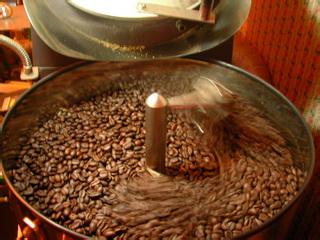
Coffee’s journey to becoming a global drink began centuries ago. Originally, people chewed whole coffee cherries for their juice. Later, they ground the beans, mixed them with animal fat, and used the mixture as an energy booster for long trade journeys. By around the year 1000, boiling raw beans into a soup became common. But it wasn’t until the 13th century that Arabs developed coffee roasting—the process that unlocks the rich, complex aromas we associate with coffee today. Roasting transforms green beans into the flavorful, aromatic product we brew.
Why Roast Level Changes Coffee Flavor
Roasting triggers chemical reactions—most notably the Maillard reaction—that break down sugars and acids, creating new flavor compounds. Lighter roasts preserve more of the bean’s inherent acidity and delicate fruity or floral notes. As roasting deepens, acidity fades while bitterness and body increase, often bringing out chocolatey, nutty, or caramelized flavors. The longer and hotter the roast, the more the original bean character is overshadowed by roast-derived traits.
What Determines the Best Roast for Your Coffee?
There’s no single perfect roast. The 'right' level depends on several factors:
- Bean Type & Origin: Some beans, like Ethiopian Yirgacheffe, shine at lighter roasts to highlight their floral and citrus notes. Others, like Sumatra Mandheling, gain complexity with deeper roasts.
- Brew Method: Pour-over and AeroPress often suit lighter roasts for clarity. Espresso can handle medium to dark roasts for body and crema.
- Flavor Preference: Do you enjoy bright, tangy cups or bold, smoky ones? Your taste drives the decision.
In short, the optimal roast balances the bean’s natural qualities with your desired flavor profile and brewing setup.
Common Misconceptions About Roast Levels
Many assume darker roasts mean stronger or better coffee. In reality, darker roasts often have less caffeine and more bitterness, and can mask the bean’s unique origin characteristics. Likewise, very light roasts might be too acidic or sour if you prefer a smoother cup. The goal isn’t to roast as light or as dark as possible—it’s to roast just right for the result you want.
Frequently Asked Questions
What are the three main coffee roast levels?
The three basic roast levels are light, medium, and dark. Light roasts are roasted for a shorter time at lower temperatures, preserving acidity and origin flavors. Medium roasts balance acidity and body, with more rounded flavors. Dark roasts are roasted longer and at higher temperatures, resulting in bold, bitter, and often chocolatey or smoky notes.
Does roast level affect caffeine content?
Contrary to popular belief, darker roasts do not necessarily have more caffeine. In fact, slight weight loss during longer roasting can mean slightly less caffeine by volume, though the difference is minimal per bean. The roast level itself doesn’t drastically alter caffeine content.
How do I choose the right roast for my brew method?
For methods like pour-over or drip, lighter to medium roasts often highlight clarity and acidity. For espresso or French press, medium to dark roasts can provide better body and crema. Consider your preferred flavor outcome when matching roast level to brew method.
What happens if coffee is under-roasted?
Under-roasted beans may taste grassy, sour, or overly acidic because the sugars and acids haven’t fully developed. The roast hasn’t had enough time to transform the bean’s raw character into something balanced and drinkable.
What happens if coffee is over-roasted?
Over-roasted beans tend to taste bitter, burnt, or smoky, with little origin character left. The beans lose their unique flavors as the roast dominates, resulting in a one-dimensional, often unpleasant cup.
Recommended FrontStreet Beans for Roast Exploration
Try FrontStreet Coffee’s Ethiopia Humbera for a bright, juicy profile that shines at light to medium roasts, with notes of blueberry and jasmine. For a versatile medium roast, their Brazil Queen Manor offers chocolate and nuttiness with a smooth body. If you prefer a deeper roast, the PWN Golden Mandheling delivers a bold, spicy cup with earthy depth. All three let you experience how roast levels shape flavor. Freshly roasted within 5 days · Orders placed before 17:00 ship the same day · Next-day delivery across most of Guangdong Province.
FrontStreet Coffee is a long-established specialty coffee roaster in Guangzhou China, selling freshly roasted beans from its own farm in Yunnan as well as dozens of carefully selected single-origin beans from around the world for both pour-over and espresso. The products deliver consistently excellent quality and great value, with shipping within 24 hours. Guangzhou's FrontStreet Coffee shop is recommended by many coffee lovers, and the beans are now available online at the Tmall 。
Important Notice :
前街咖啡 FrontStreet Coffee has moved to new addredd:
FrontStreet Coffee Address: 315,Donghua East Road,GuangZhou
Tel:020 38364473