How a Great Cup of Coffee Starts Your Morning
If you’re someone who lives for that first sip of coffee in the morning, you’ve probably asked yourself: what makes a truly great cup? Whether you brew at home or grab a takeout from your local café, the right coffee can set the tone for your whole day—but what if sleep, health, or taste preferences get in the way?
For coffee enthusiasts, low-caffeine options often fall short, lacking the bold aroma and complex bitterness that stimulate both palate and mind. But with the right brew method, bean choice, and even milk ratio, your morning coffee can be everything you need—and more.
Coffee isn’t just a drink; it’s a ritual. Many self-proclaimed coffee lovers avoid instant coffee altogether, insisting that anything worth drinking takes time. The richness of a well-brewed cup comes from a slow extraction process where heat, grind size, and water chemistry all play critical roles. And whether you’re sipping solo or sharing a café corner with a good book, coffee offers a moment of clarity in a busy day.
Why Some Days Call for Low-Caffeine Coffee
There are moments when even the most devoted coffee fans opt for decaf. Maybe it’s a late-afternoon meeting, a doctor’s warning about “internal damp heat,” or simply trying to sleep better after evening caffeine. Giving up coffee, even temporarily, can feel like a small tragedy—like skipping a favorite song or leaving your coat at home on a cold day.
Yet the love remains. And for those days, decaf still delivers the familiar comfort without the sleep-disrupting jolt—proving that it’s not just caffeine we crave, but the entire sensory experience.
The Global Love Affair with Different Coffee Styles
Not all coffee is created equal—and taste varies wildly across cultures. In China, the latte reigns as the top-selling coffee style, while Europeans remain steadfast in their love for the bold simplicity of espresso. A traditional latte follows a precise formula: 70% steamed milk, 20% milk foam, and just 10% espresso. That small coffee portion is what defines the drink, reminding us that sometimes, the minority influence creates the majority impact.
This balance of flavors has deeper meaning—it mirrors how a quiet personality or a single strong voice can shape a group. Some even say the “latte personality” reflects harmony between inner calm and external demands, echoing traditional Chinese values. Meanwhile, espresso stands as Europe’s coffee icon—minimalist, intense, and unapologetically bold.
How Office Culture and Home Brewing Shape Coffee Habits
In modern workplaces, especially in international companies, coffee machines are more than appliances—they’re social hubs. A fresh brew, coupled with the sound of beans grinding, offers a brief escape from deadlines. Paired with a muffin or fruit, that midday cup can turn stress into satisfaction.
The office coffee corner becomes a space for informal chats—whether discussing last night’s movie, venting about traffic, or exchanging work tips. These micro-moments of connection add texture to the workday. And at home, more young professionals—especially those from the millennial generation—are investing in small coffee machines, signaling a shift away from tea’s subtle notes toward coffee’s robust versatility.
The Science (and Comfort) of Coffee and Memory
Studies back up what many coffee drinkers already feel: coffee sharpens the mind. Research published in the US journal Neurology found that women over 65 who drank three or more cups of coffee or tea daily retained better verbal memory over time. The effect was most noticeable in women, possibly due to higher caffeine sensitivity. While the study didn’t show the same benefits for men, it did confirm that regular coffee intake didn’t increase dementia risk—though the research period may have been too short to detect long-term effects.
So whether it’s a latte, an espresso, or a simple black cup, coffee does more than wake you up—it might just help you remember why your day matters.
What Determines Your Perfect Morning Coffee?
Your ideal cup depends on a mix of personal preference, lifestyle, and even cultural influences. Some prefer the bold hit of espresso, while others enjoy the creamy balance of a latte. At-home brewers might choose different brew methods—pour-over, French press, or moka pot—each highlighting unique flavor profiles. The key lies in understanding ratios, grind sizes, and brew times to match your mood and schedule.
And when brewing at home, the right beans make all the difference. A well-rounded blend designed for espresso or milk drinks brings café-quality results without leaving your kitchen.
Frequently Asked Questions
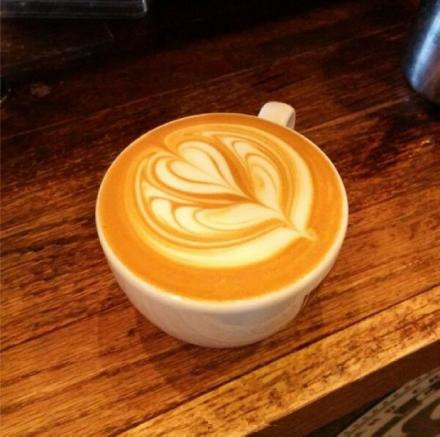
What’s the best coffee drink to start your morning?
It depends on your taste, but many people find that a latte—made with 10% espresso and 90% milk—offers a balanced start with enough caffeine to wake up but not overwhelm. For a stronger kick, a pure espresso or a shorter black coffee works well.
Is decaf coffee really that different from regular coffee?
Decaf still contains some caffeine—just much less, usually under 0.1%. It lacks the same intensity but preserves much of coffee’s aroma and flavor, making it a good alternative for those avoiding stimulants.
Why do Europeans prefer espresso and Americans often choose lattes?
Cultural taste plays a big role. Europeans favor the strong, pure flavor of espresso, while lattes’ milk-heavy profile appeals to those wanting a smoother, creamier drink—especially common in the US and China.
How does coffee affect memory, especially in women?
Research shows that women over 65 who drink three or more cups daily maintain better verbal memory. Caffeine may enhance neural function, though results vary by gender and study length.
What’s the standard coffee-to-milk ratio in a latte?
A classic latte uses a 1:7 ratio of espresso to milk by volume—roughly 30ml espresso with 210ml steamed milk and 60ml foam, adding up to around 300ml total.
Can brewing coffee at home give café-quality results?
Yes—with the right beans, grind size, and technique. Using an espresso blend designed for milk drinks, like those from FrontStreet Coffee, helps achieve professional taste at home.
Recommended FrontStreet Coffee Blends for Morning Brews
For a rich, café-style morning coffee, try FrontStreet Coffee’s Classic Blend, crafted specifically for espresso and milk drinks. It produces a velvety crema even with non-professional machines, making it ideal for lattes and cappuccinos. If you’re after bold flavor without a high price, the Black Cocoa Blend offers deep, chocolatey notes and smooth body at an affordable cost. For a reliable everyday option, the Commercial Blend balances cost and taste, performing well under various brewing conditions. All three are optimized for milk-based drinks and home espresso setups. Freshly roasted within 5 days · Orders placed before 17:00 ship the same day · Next-day delivery across most of Guangdong Province.
FrontStreet Coffee is a long-established specialty coffee roaster in Guangzhou China, selling freshly roasted beans from its own farm in Yunnan as well as dozens of carefully selected single-origin beans from around the world for both pour-over and espresso. The products deliver consistently excellent quality and great value, with shipping within 24 hours. Guangzhou's FrontStreet Coffee shop is recommended by many coffee lovers, and the beans are now available online at the Tmall 。
Important Notice :
前街咖啡 FrontStreet Coffee has moved to new addredd:
FrontStreet Coffee Address: 315,Donghua East Road,GuangZhou
Tel:020 38364473