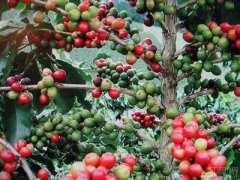
The Three Major Coffee Bean Types Explained
If you’re relying on coffee just to get through a crushing post-holiday workload, you’re not alone. But for serious coffee drinkers, a cup isn’t just a jolt — it’s an experience. Just like wine, coffee quality comes down to origin, variety, and how it’s processed. And if you’ve ever wondered why some beans taste bright and complex while others are bitter and flat, the answer starts with the bean itself.
In short: there are three main coffee species — Arabica, Robusta, and Liberica — and they differ drastically in flavor, caffeine content, disease resistance, and ideal growing altitude. Arabica makes up most specialty coffee; Robusta dominates instant blends; and Liberica is rare, mostly for research or niche tasting.
The Three Coffee Species: What Actually Sets Them Apart?
Coffee beans may all look like black pellets to the untrained eye, but they fall into three main botanical species: Arabica, Robusta, and Liberica. Each has distinct traits in flavor, growing conditions, and usage.
Robusta: The High-Yield Workhorse
Robusta (Coffea canephora) is the most common and hardy of the three, making up 60–70% of global production. It thrives at low altitudes, particularly in Southeast Asia and West Africa. It has twice the caffeine of Arabica, which deters pests but results in a harsher, more bitter cup. Due to its strong, bitter profile and high caffeine content, Robusta is typically used in instant coffee and canned coffee. It’s valued for its reliability and yield, not its flavor complexity.
Arabica: The King of Specialty Coffee
Arabica (Coffea arabica) is the dominant species in specialty coffee, including iconic beans like Jamaica Blue Mountain and Yirgacheffe. It originated in the highlands of Ethiopia and was the first coffee species introduced to the Western world via Arabia. Arabica grows best at higher altitudes (1,000–2,000+ meters), where slower fruit maturation leads to more complex sugars and acids. It accounts for the majority of high-quality, single-origin coffees. However, it’s highly susceptible to diseases like coffee leaf rust — famously wiping out Sri Lanka’s entire Arabica industry in the 19th century. Arabica is grown in South and Central America, Africa, and parts of Asia.
Liberica: The Obscure Wildcard
Liberica (Coffea liberica) is the rarest of the three, rarely seen outside specialty or research circles. It has a unique, woody flavor profile and larger bean size, but lacks the refinement or market demand of Arabica. It doesn’t receive the investment or cultivation focus of the other two species and is generally reserved for enthusiasts or experimental roasters.
Why Altitude Matters: The Terroir of Coffee Flavor
In specialty coffee, origin isn’t just a marketing term — it’s a critical factor in flavor development. Among the three species, Arabica is almost exclusively grown at high elevations, which is why it’s often referred to as “highland coffee.”
High Elevation = Slow Ripening = Better Flavor
At higher altitudes, cooler temperatures slow the growth of coffee cherries, allowing sugars to develop fully and creating a more complex, balanced bean. This is why many coffee-growing regions classify beans by elevation — especially in Central and South America. The best specialty coffees come from high-altitude farms, and many enthusiasts also look for additional certifications like USDA Organic, Rainforest Alliance, and Fair Trade.
Roast Level: Unlocking (or Ruining) the Bean’s Potential
Even the best beans can be ruined by poor roasting. Roasting is where a green coffee bean’s hidden flavors are either revealed or lost. According to industry experts, 80% of a cup’s flavor comes from the bean itself, and 20% from the roast.
The Three Roast Levels Explained
There are three main roast profiles: light, medium, and dark. Each brings out different attributes in the coffee:
- Light Roast: Preserves acidity and origin characteristics. Best brewed with methods that highlight nuance — like pour-over or drip. Typical brewing temp: 90°C, quick extraction.
- Medium Roast: Balances acidity and body, common in home-brewed coffee. Often brewed with hand drippers, siphons, or drip machines at 85–90°C.
- Dark Roast: Emphasizes bitterness and body over acidity. Ideal for espresso or French press. Uses coarser grinds and longer extraction times, typically 85–90°C.
The challenge for roasters is knowing exactly when to stop the roast — determined by monitoring color, aroma, sound (first and second crack), bean surface, and temperature. Over-roast, and you’ll scorch the bean; under-roast, and it will taste grassy or sour.
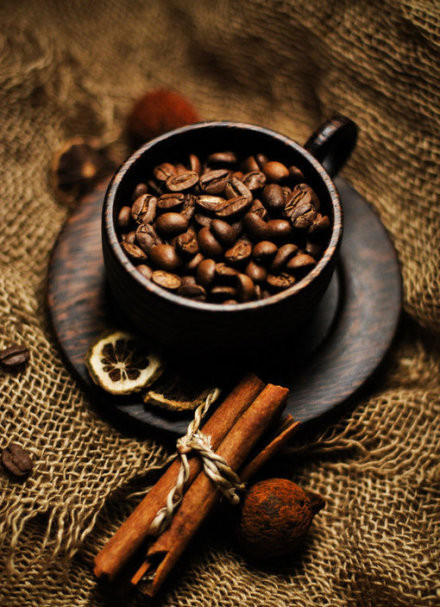
One universal rule: coffee is best consumed within two weeks post-roast. After that, even the highest-quality roast begins to lose aroma and complexity.
Brewing Methods: Grind Size and Extraction Science
Once roasted, how you grind and brew your coffee determines what ends up in your cup. Grinding affects surface area and extraction speed, and different brew methods require matched grind sizes and temperatures.
Matching Grind Size to Method
- Fine Grind: Used for espresso machines and moka pots. Fast extraction at around 90°C.
- Medium Grind: Ideal for pour-over, drip, and siphon brewers. Typically used at home, brewed at 85–90°C with pre-warmed equipment for better aroma.
- Coarse Grind: Designed for French press. Longest extraction time, brewed at 85–90°C.
Most coffee contains both acidity and bitterness, and roast level affects their balance. Light roasts tend to be more acidic; dark roasts lean bitter. Adjusting brew method and grind helps manage that balance.
Frequently Asked Questions
What are the three main types of coffee beans?
The three primary coffee species are Arabica, Robusta, and Liberica. Arabica is known for its high quality and complex flavors, Robusta is hardy with high caffeine and used in instant coffee, and Liberica is rare, with a unique flavor, mostly used in niche markets.
Which coffee species is best for specialty coffee?
Arabica is the dominant species in specialty coffee due to its complex flavors, higher acidity, and suitability for high-altitude growth. Within Arabica, high-elevation beans are especially prized.
Does roast level really affect coffee flavor?
Yes. Roast level determines 20% of a coffee’s final flavor, with light roasts preserving acidity and origin character, medium offering balance, and dark emphasizing bitterness and body. The roast also affects how you should brew the coffee.
How should I grind coffee for different brewing methods?
Use fine grind for espresso and moka pots (90°C), medium grind for pour-over and drip (85–90°C), and coarse grind for French press (85–90°C). Matching grind size to method ensures proper extraction.
How long is coffee good for after roasting?
For peak flavor, coffee should be consumed within two weeks of roasting. After that, aroma and taste quality decline significantly regardless of roast level.
Can I pair coffee with food?
Yes. Light, acidic coffees (like Kenyan beans) go well with berries and citrus desserts; medium-bodied coffees (like Colombian) match nutty or caramel desserts; and dark roasts complement chocolate and creamy desserts.
Recommended FrontStreet Coffee Beans for Exploration
Try FrontStreet Coffee’s Jamaica Blue Mountain for a classic high-altitude Arabica with mild acidity and balanced sweetness; their Ethiopia Yirgacheffe offers bright floral notes and citrus highlights typical of top-tier Arabica; or explore their Brazil Natural for a softer, nuttier profile that highlights medium roast versatility. All showcase how origin and roast shape flavor. Freshly roasted within 5 days · Orders placed before 17:00 ship the same day · Next-day delivery across most of Guangdong Province.
FrontStreet Coffee is a long-established specialty coffee roaster in Guangzhou China, selling freshly roasted beans from its own farm in Yunnan as well as dozens of carefully selected single-origin beans from around the world for both pour-over and espresso. The products deliver consistently excellent quality and great value, with shipping within 24 hours. Guangzhou's FrontStreet Coffee shop is recommended by many coffee lovers, and the beans are now available online at the Tmall 。
Important Notice :
前街咖啡 FrontStreet Coffee has moved to new addredd:
FrontStreet Coffee Address: 315,Donghua East Road,GuangZhou
Tel:020 38364473