Why Fully Automatic Coffee Machines Are Easier to Use
If you’ve ever watched a barista pull a perfect shot and thought, 'There’s no way I could do that at home,' you’re not alone. Many coffee lovers assume making espresso means mastering complex manual steps—but is that really the only way? For most people, the real question isn’t how to make the best espresso, but how to make good coffee with the least hassle.
The short answer: if ease and speed matter most, a fully automatic coffee machine lets you go from beans to cup in under a minute—no training needed. Semi-automatic machines, by contrast, require grinding, tamping, and precise technique, often leading to inconsistent results unless you’re trained.
What Is a Fully Automatic Coffee Machine?
Fully automatic coffee machines exist largely because of modern lifestyles. Designed for speed and simplicity, they let you brew a high-quality espresso or coffee drink in seconds. With just a press of a button, the machine handles everything: grinding the beans, tamping, and extracting the shot. The entire process takes less than a minute, making it ideal for busy households or offices.
How Fully Automatic Machines Simplify Brewing
Using a fully automatic machine is straightforward. Here’s how it works: load your favorite coffee beans into the bean hopper, fill the water tank, plug in the machine, place a cup under the spout, and press the brew button. Within seconds, you’ll have a freshly brewed coffee. One major advantage is consistency—each cup tastes the same because the machine controls grind size, dose, and extraction time automatically. This level of predictability is hard to achieve with manual methods.
What Is a Semi-Automatic Coffee Machine?
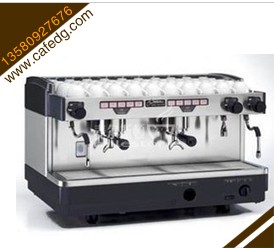
Semi-automatic coffee machines, on the other hand, put the responsibility—and skill—squarely on the user. While they offer more control over the brewing process, they require significant effort and expertise. To make espresso, you must manually grind the beans, dose the right amount, tamp it down with consistent pressure, and operate the machine’s pump to pull the shot. Each of these steps affects the final flavor, and small mistakes can lead to under-extracted or over-extracted coffee. That’s why semi-automatic machines are typically used by trained baristas in commercial settings.
Why Semi-Automatics Are Less Convenient
The manual nature of semi-automatic machines makes them less user-friendly for everyday home use. Every step—from grinding the beans to tamping and timing the shot—requires attention and practice. Variables like grind size, dose, and tamp pressure all influence the espresso’s taste. Without proper training, it’s easy to end up with inconsistent results. That’s why many home users find semi-automatic machines frustrating compared to the simplicity of their fully automatic counterparts.
Key Differences at a Glance
- Ease of Use: Fully automatic machines require just one touch to brew; semi-automatics involve multiple manual steps.
- Consistency: Fully automatics produce uniform results; semi-automatics vary based on technique.
- Time: Fully automatics brew a cup in seconds; semi-automatics take longer due to manual preparation.
- Skill Level: Fully automatics need no training; semi-automatics require knowledge of grind size, dosing, and tamping.
Frequently Asked Questions
Is a fully automatic coffee machine better than a semi-automatic?
It depends on your priorities. A fully automatic machine is better if you value speed, ease of use, and consistent results with minimal effort. A semi-automatic machine offers more control over the brewing process, which is ideal for enthusiasts who want to experiment with variables like grind size and extraction time—but it requires skill and practice.
Do fully automatic machines make real espresso?
Yes, fully automatic machines can produce authentic espresso, complete with crema, as long as they’re well-made and used with quality coffee beans. They automate the entire process, including grinding, tamping, and extraction, to deliver results similar to those from a skilled barista.
Are semi-automatic coffee machines hard to use?
Semi-automatic machines are more challenging because they require you to manually grind the beans, dose the coffee, tamp it evenly, and control the extraction time. Without proper training, it’s easy to make mistakes that affect the flavor, making them less beginner-friendly than fully automatic options.
Which machine is better for home use?
For most homes, a fully automatic coffee machine is more practical due to its simplicity and speed. You can get a great cup of coffee with little effort. Semi-automatic machines are better suited for coffee enthusiasts who enjoy the brewing process and are willing to learn the necessary techniques.
Can I use any coffee beans in a fully automatic machine?
Yes, you can use any coffee beans, but for the best results, choose freshly roasted beans suitable for espresso. Medium to dark roasts with good body and crema potential work well in most fully automatic machines.
Recommended FrontStreet Beans for Home Espresso
For home espresso lovers, try FrontStreet Coffee’s Classic Blend, known for its balanced profile of nuts and chocolate, or the Specialty Blend with its bright acidity and fruity hints. Both work well in espresso machines, delivering smooth extractions and rich crema. Freshly roasted within 5 days · Orders placed before 17:00 ship the same day · Next-day delivery across most of Guangdong Province.
FrontStreet Coffee is a long-established specialty coffee roaster in Guangzhou China, selling freshly roasted beans from its own farm in Yunnan as well as dozens of carefully selected single-origin beans from around the world for both pour-over and espresso. The products deliver consistently excellent quality and great value, with shipping within 24 hours. Guangzhou's FrontStreet Coffee shop is recommended by many coffee lovers, and the beans are now available online at the Tmall 。
Important Notice :
前街咖啡 FrontStreet Coffee has moved to new addredd:
FrontStreet Coffee Address: 315,Donghua East Road,GuangZhou
Tel:020 38364473