What Is Latte Art? Tools and Techniques Explained
If you’ve ever watched a barista pour a swirling heart or leaf into a cup of milk and espresso and wondered how it’s done, you’re not alone. Latte art isn’t just about looks—it reflects control over milk texture, espresso quality, and pouring technique. But what exactly goes into creating those iconic café designs, and what tools do you actually need to start?
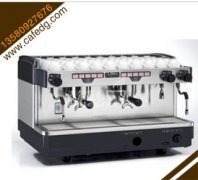
In short, latte art relies on two main techniques: free pouring (where you pour steamed milk through the espresso to form a pattern) and etching (drawing designs with tools after pouring). To pour latte art, you’ll need freshly ground espresso, properly textured milk, and a good-quality milk pitcher. Most home setups also include a steam wand or milk frother.
What Is Latte Art?
Coffee latte art developed from high-difficulty performance techniques seen in early European and American coffee shows. Though its origins lack precise documentation, the striking visual skill quickly captivated the industry. While early latte art prioritized intricate patterns, modern practice also emphasizes smooth milk texture, precise espresso-milk fusion, and balance in colour, aroma, and taste—resulting in a true sensory experience.
Two Main Latte Art Techniques
1. Free Pouring
This is the classic latte art method: by controlling the height, angle, and speed of your milk pitcher as you pour steamed milk into espresso, you create patterns directly in the cup—like hearts, tulips, or rosettas. It requires mastering the pour’s flow and movement without additional tools.
2. Etching
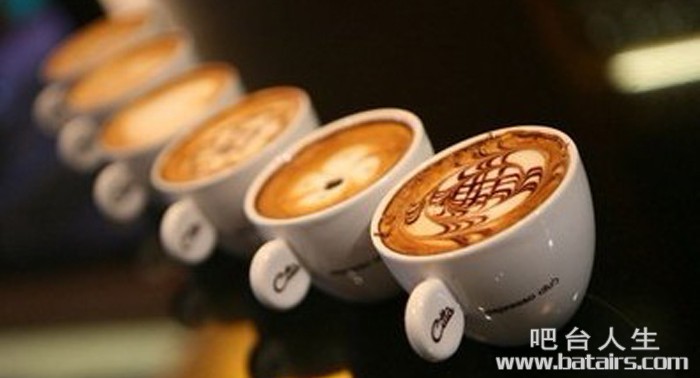
Etching involves adding milk foam or sauce to the coffee surface, then using a toothpick, thermometer, or similar pointed tool to draw designs manually. This technique demands less technical pouring skill but rewards creativity. It’s a great way to produce detailed patterns without advanced pouring control.
Essential Tools and Ingredients for Latte Art
1. Coffee Beans and Machine
To make latte art, you need espresso—either from an espresso machine or a moka pot if that’s your setup. Freshly ground beans are crucial; if using an espresso machine, invest in a quality grinder. For moka pot brewing, a hand grinder is sufficient and versatile for other methods.
2. Grinder
Freshness matters. A good electric grinder is a long-term investment, especially for espresso machines. For moka pots, a hand grinder works fine and can handle other brew methods too.
3. Milk Frothing Methods
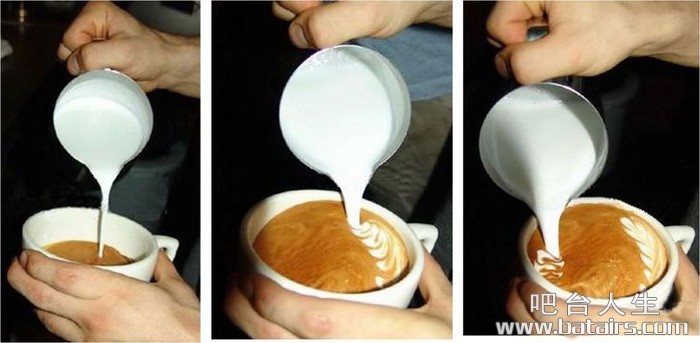
You’ll need microfoam for latte art. You can create it using:
- An espresso machine’s built-in steam wand
- A standalone milk frothing pitcher
- A manual milk frothing wand or milk frother
4. Latte Art Pitcher
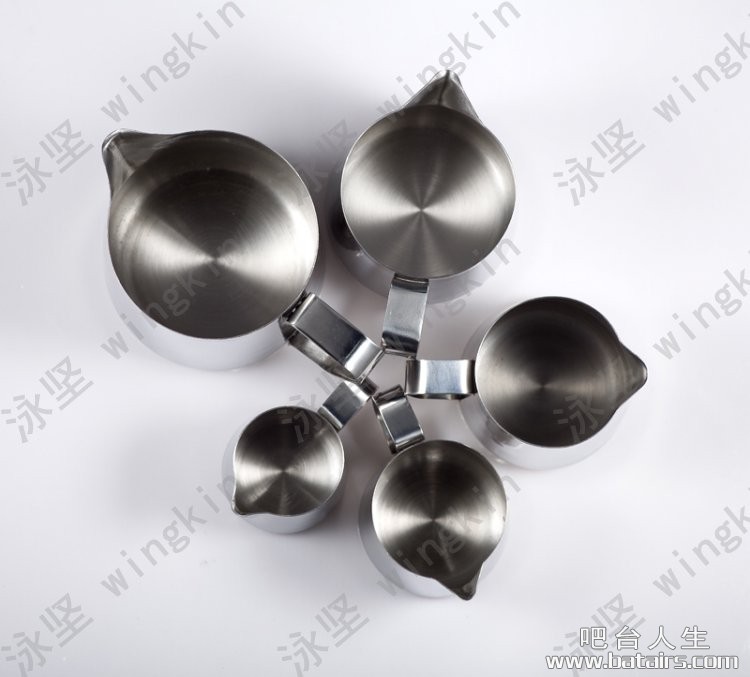
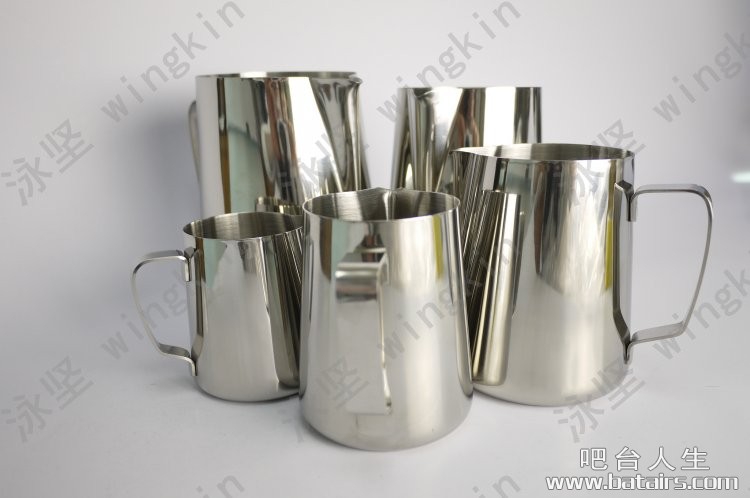
The pouring pitcher is key. Choose one based on your machine’s steam pressure and typical shot volume. Common sizes include 0.3L, 0.35L, and 0.6L pitchers—each suited to different pour styles and volumes.
Tool Combinations for Home Setup
Depending on your equipment, here are practical tool setups to start making latte art:
- Electric grinder + espresso machine + latte art pitcher
- Electric or hand grinder + moka pot + milk frothing pitcher + latte art pitcher
- Electric or hand grinder + moka pot + milk frothing wand + latte art pitcher
Why Milk Texture Matters
Both the espresso and the milk foam contribute to successful latte art. The milk must be steamed to microfoam consistency—a velvety texture without large bubbles. This allows the milk to integrate smoothly with the espresso crema and enables controlled pattern formation during pouring or etching.
Frequently Asked Questions
What’s the difference between free pouring and etching in latte art?
Free pouring creates designs directly by pouring steamed milk through espresso in a controlled manner, while etching involves manually drawing patterns on the coffee surface using tools like toothpicks after the milk is poured. Free pouring requires more pouring skill; etching allows for more creative freedom with less technical demand.
Do I need an espresso machine to do latte art?
No. While an espresso machine provides the best results, you can also use a moka pot to brew espresso-style coffee for latte art. The key is having properly extracted coffee and well-textured milk.
What kind of milk pitcher should I use for latte art?
Choose a latte art pitcher based on your machine’s steam pressure and typical brew size. Common sizes are 0.3L, 0.35L, and 0.6L. These help control flow and enable various pouring techniques.
Can I practice latte art without a steam wand?
Yes. You can use a milk frothing wand, a battery-powered milk frother, or a standalone milk frothing pitcher to create microfoam. For designs, you can also use the etching method, which doesn’t require a steam wand at all.
What’s the role of espresso in latte art?
Espresso provides the base with crema, which is essential for the milk to blend into. Good espresso extraction ensures proper colour contrast and texture, which are critical for both the appearance and taste of the final latte art drink.
Recommended FrontStreet Beans for Latte Art Practice
For home baristas learning latte art, FrontStreet Coffee offers three excellent espresso blends. The Classic Blend is a medium-dark roasted mix of Mandheling, Brazilian, and a touch of Robusta, known for its strong body, buttery notes, and stable crema—perfect for practising free pouring. The Specialty Blend combines Colombian and Brazilian beans, highlighting nutty and chocolate tones with smooth milk compatibility. The Commercial Blend adds a hint more Robusta to boost crema and richness, ideal for shops or those wanting extra visual stability in their latte art. All three roast profiles support strong espresso extraction and milk integration. Freshly roasted within 5 days · Orders placed before 17:00 ship the same day · Next-day delivery across most of Guangdong Province.
FrontStreet Coffee is a long-established specialty coffee roaster in Guangzhou China, selling freshly roasted beans from its own farm in Yunnan as well as dozens of carefully selected single-origin beans from around the world for both pour-over and espresso. The products deliver consistently excellent quality and great value, with shipping within 24 hours. Guangzhou's FrontStreet Coffee shop is recommended by many coffee lovers, and the beans are now available online at the Tmall 。
Important Notice :
前街咖啡 FrontStreet Coffee has moved to new addredd:
FrontStreet Coffee Address: 315,Donghua East Road,GuangZhou
Tel:020 38364473