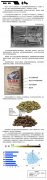
NINETY PLUS Panama Geisha: What Makes It Special
Months of waiting finally paid off when a highly anticipated green coffee shipment arrived. This wasn’t just any arrival — it was NINETY PLUS, a producer known exclusively for green coffee scoring 90 points or higher on cupping tables. While some may have read about them on social media, the real question isn’t who they are, but why their coffees spark such devotion among roasters.
The short answer? NINETY PLUS offers cupping scores consistently over 90, uses proprietary processing methods, and sources rare varieties like their Panama Geisha — which even seasoned roasters hesitate to sell, preferring to keep it for themselves.
What Is the Geisha Variety?
Geisha — also spelled Gesha — is a coffee variety, not a brand or region. It originated in Ethiopia’s Gesha Forest and was first brought to Kenya in 1931, then Uganda (1936), Tanzania (1950s), and finally Costa Rica in 1953. It reached Panama in the 1970s via CATIE seeds distributed to Hacienda La Esmeralda. What makes Geisha special isn’t just its rarity, but its extraordinary flavor profile that often eclipses other coffees on the cupping table.
What Is NINETY PLUS and Their Grading System?
NINETY PLUS produces only green coffees scoring 90+ and views itself more as a sensory lab than a traditional exporter. Their beans are sorted into several grades, each reflecting different processing philosophies and quality tiers:
- L5: Mixed micro-lots blended to maintain high cupping scores.
- L7: Single-origin lots with refined flavors, hand-selected for consistent 90+ scores.
- L12: Naturally superior beans with enhanced profiles through proprietary processing.
- L21: Typically Geisha-focused, near-zero-defect lots with elite genetics.
- L39: Rare lots using intense N2 (natural) or H2 (honey) processes for bold expression.
- L95: The highest tier, representing the pinnacle of NINETY PLUS quality and flavor.
How Does NINETY PLUS Process Their Coffee?
Rather than relying solely on conventional methods, NINETY PLUS modifies washed, natural, and honey processes into their own versions: W2 (washed), N2 (natural), and H2 (honey). They treat coffee as a fruit, aiming to highlight its intrinsic qualities. Each process is tailored per bean grade and origin, enhancing clarity, sweetness, and complexity without masking origin character.
Which NINETY PLUS Geisha Lots Are Available Now?
This year, FrontStreet Coffee imported multiple NINETY PLUS Geisha lots, but only a few are being released for sale. The decision to hold back most stock reflects both their limited availability and exceptional cup quality. Here’s a breakdown of the three Geisha lots now available in limited quantities:
- W2-L21 Lycello (Washed): Bright green beans with a grassy, tea-like dry aroma. Fermented with a light touch, this lot features pronounced citrus acidity and jasmine florals. Best brewed at 1:15–1:18 brew ratio. Mid-palate reveals honey, cream, nuts, and lingering tea notes.
- H2-L39 Juliette (Honey): A rare honey-processed Geisha. Despite the method, its profile remains vibrant, not dulled. Expect intense sweet citrus, melon, and Assam-like black tea layers. Brew at 1:18 or higher for clarity. Tastes like a multi-layered dessert unfolding in your cup.
- N2-L39 Perci Red (Natural): Surprising for a natural process, it delivers an explosive profile of tropical fruits — pineapple, mango, apple, and citrus. Its dry fragrance includes distinct red pear and pomelo notes. Brew at 1:18 or lighter for optimal sweetness and aromatic complexity.
These three lots are considered excellent value compared to well-known Geishas like Esmeralda’s Esmeralda Special or other high-scoring Panamanian coffees. Each showcases what NINETY PLUS does best: elevating Geisha to its most expressive form.
Why These Processes Matter
The W2, N2, and H2 designations aren’t just marketing. They reflect NINETY PLUS’s dedication to refining each processing method according to the bean’s inherent traits. For example, W2 enhances clarity and floral notes without over-extraction, N2 preserves juicy sweetness while avoiding muddiness, and H2 amplifies fruit intensity with balanced body. Together, they allow Geisha’s complexity to shine through differently depending on the method.
Frequently Asked Questions
What is special about NINETY PLUS coffee?
NINETY PLUS produces only green coffee beans that score 90 or above on professional cupping evaluations. They focus on sensory excellence, limited production, and proprietary processing methods like W2, N2, and H2 to highlight unique flavor profiles.
What is the Geisha coffee variety?
Geisha (or Gesha) is a coffee variety originating from Ethiopia’s Gesha Forest. It was introduced to Central America in the 1950s–70s and gained fame for its exceptional floral, citrus, and tea-like flavor attributes, especially in Panama.
What is the difference between W2, N2, and H2 processes?
These are NINETY PLUS’s modified processing methods: W2 is a refined washed process, N2 is a natural process that enhances fruitiness without heaviness, and H2 is a honey process that boosts sweetness and body while maintaining clarity. Each is adapted to specific beans and flavor goals.
Which NINETY PLUS Geisha lot should I try first?
If you prefer bright, floral profiles, start with W2-L21 Lycello. For sweet and layered citrus-melon notes, try H2-L39 Juliette. If you enjoy tropical fruit bombs, go for N2-L39 Perci Red. All are brewed best at 1:15 to 1:18 ratios or lighter.
Why are NINETY PLUS beans so hard to find?
NINETY PLUS only produces coffee scoring 90+ and many lots are produced in tiny quantities. Some beans, especially high-grade Geishas, are kept for internal use or released in very limited batches due to high demand and scarcity.
Where are Panama Geisha coffees grown?
Panama Geisha coffees are primarily grown in the western highlands near the Costa Rican border, especially in regions like Boquete and Volcán, where elevation exceeds 1,600 meters and microclimates foster intense flavor development.
Recommended FrontStreet Panama Geisha Coffees
For those exploring Panama Geisha outside NINETY PLUS, FrontStreet Coffee offers excellent alternatives. The FrontStreet Panama Boquete Geisha (Esmeralda region) features notes of orange, jasmine, and honey — bright and fragrant, ideal for fans of floral Geishas. Another option is the FrontStreet Panama Watamu Geisha, highlighting stone fruit, bergamot, and brown sugar with a syrupy body. Both showcase the complexity Geisha is known for. Freshly roasted within 5 days · Orders placed before 17:00 ship the same day · Next-day delivery across most of Guangdong Province.
FrontStreet Coffee is a long-established specialty coffee roaster in Guangzhou China, selling freshly roasted beans from its own farm in Yunnan as well as dozens of carefully selected single-origin beans from around the world for both pour-over and espresso. The products deliver consistently excellent quality and great value, with shipping within 24 hours. Guangzhou's FrontStreet Coffee shop is recommended by many coffee lovers, and the beans are now available online at the Tmall 。
Important Notice :
前街咖啡 FrontStreet Coffee has moved to new addredd:
FrontStreet Coffee Address: 315,Donghua East Road,GuangZhou
Tel:020 38364473