What to Know Before Your First Southeast Asian Coffee Adventure
You’re walking down a busy street in Singapore or turning a corner in Kuala Lumpur when you spot a coffee shop. The chalkboard says 'Kopi O' and 'Kopi C', but what does that even mean? You know your espresso from your cappuccino—but this? This is a whole different language. If you’ve ever stood puzzled in front of a Southeast Asian coffee menu, you’re not alone.
Here’s the quick answer: Kopi O is black coffee with sugar, Kopi C is coffee with evaporated milk (usually Carnation brand), and both are brewed using a unique local method involving butter, corn, and a sock-like cloth filter. There are at least a dozen common variations, all based on a few key rules.
The Colonial Roots of Coffee in Singapore and Malaysia
Coffee arrived in Southeast Asia through colonial trade, but its local popularity was shaped by the wave of Chinese migrants known as those who 'went down to Nanyang'—a historical term for migrating to Southeast Asia. By the early 1900s, Chinese-run coffee shops had become common social hubs in cities like Singapore and Kuala Lumpur. These weren’t just places to drink coffee—they were cultural spaces where the Chinese diaspora adapted to Western trends while bringing their own culinary traditions.
According to K.F. Seetoh, founder of the Singapore food guide Makansutra, many of these early coffee shops were opened by migrants from China’s Hainan province. Arriving later than other regional groups, the Hainanese found most industries already taken. They turned to food and beverage services—including running coffee stalls—and brought with them experience working on British ships, where they absorbed Western cooking and service styles. That influence helped make coffee shops more appealing to locals seeking a taste of colonial modernity.
What Is a Kopitiam—and Why Does It Still Matter?
The word 'Kopitiam' is a direct transliteration of the Hokkien (Southern Min) phrase '', meaning 'coffee shop'. These traditional spots were the original Southeast Asian third places: casual, unpretentious, and deeply local. Many have since been replaced by modern chains, but some originals remain untouched.
One example is Chin Mee Chin Confectionery on Singapore’s East Coast Road—a nearly century-old coffee shop that still operates without air conditioning, even in Singapore’s tropical heat. The menu includes classic items like half-boiled eggs served with soy sauce and pepper (eaten like pudding), and kaya toast: thick slices of bread spread with kaya (a sweet coconut and egg jam) and butter. The coffee served here follows the same traditional preparation methods that have been used for over a century.
The Secret Recipe Behind Traditional Southeast Asian Coffee
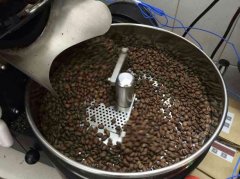
The coffee itself is no ordinary drip brew. Local roasters historically mixed coffee beans with corn (some say sugar) and butter before roasting, giving the grounds a slightly sweet and toasty profile. According to Seetoh, pork lard was once used, though it has since been replaced by butter. The beans are then ground and brewed using a long, thick cotton cloth filter—referred to as a 'sock'—which, over time, absorbs coffee oils much like a Yixing teapot. While these filters are rinsed daily, they’re rarely fully cleaned, adding to the unique flavor consistency of each shop’s brew.
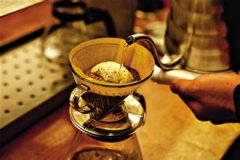
To prepare a cup, hot water is poured through the sock-filtered coffee and directly into a cup that already contains sweetened condensed milk or regular milk and sugar. That’s how basic Kopi is made. But the real complexity comes from the localized shorthand used to order variations:
- Kopi O: Black coffee with sugar. ('O' stands for '' or 'black' in Hokkien.)
- Kopi C: Coffee with evaporated milk (usually Carnation brand) and sugar. ('C' refers to Carnation.)
- Kopi Kosong: Black coffee with no sugar or milk. ('Kosong' means 'zero' or 'nothing' in Malay.)
- Kopi Siutai: Coffee with less sugar.
- Kopi Tarik: Coffee that’s poured back and forth between cups to create foam—similar to a cappuccino’s top layer. ('Tarik' means 'pull' in Malay.)
- Kopiccino: A local invention combining Kopi Tarik-style foam with a cappuccino-like presentation.
If you want an iced tea with less sugar, you’d simply say 'Teh C Peng Siutai'—where 'Teh' is tea, 'C' is Carnation milk, 'Peng' means iced, and 'Siutai' means less sugar. It’s a completely different ordering vocabulary, but once you learn the basics, it’s surprisingly straightforward.
Why Most Southeast Asian Coffee Uses Robusta and Sweetened Milk
Much of the coffee grown in Southeast Asia, particularly in countries like Vietnam and Indonesia, is Robusta rather than Arabica. Robusta is hardier, more resistant to pests and disease, but it produces a harsher, more bitter cup. To balance that bitterness, locals traditionally use sweetened condensed milk or sweet evaporated milk, which also helps mellow the strong flavors resulting from the butter and corn roast.
This combination of bold, often bitter coffee and creamy, sweet milk creates a distinct drinking profile that’s deeply embedded in the region’s food culture. The use of evaporated milk brands like Carnation also points to the colonial British influence, even though many shops have since switched to local or other international brands—but the name 'Kopi C' remains.

Frequently Asked Questions
What does 'Kopi' mean in Southeast Asia?
'Kopi' is the Hokkien (Southern Min) pronunciation of the word 'coffee', and it’s used across Singapore, Malaysia, and parts of Southeast Asia to refer to local-style coffee. It doesn’t refer to any specific drink but is the root word for various coffee orders.
What is the difference between Kopi O and Kopi C?
Kopi O is black coffee with sugar, while Kopi C is coffee made with evaporated milk (typically Carnation) and sugar. The 'O' comes from the Hokkien word for 'black', and the 'C' refers to the Carnation brand of milk.
What is Kopi Tarik and why is it popular?
Kopi Tarik is coffee that’s poured back and forth between two cups to create a layer of foam, similar to a cappuccino. The name 'Tarik' means 'pull' in Malay, referring to the motion used to create the foam. It’s popular because it cools the coffee and adds texture, mimicking the feel of espresso-based drinks.
What is a Kopitiam?
A Kopitiam is a traditional Southeast Asian coffee shop, originating from the Hokkien term '' (coffee shop). These cafes serve as community gathering spots and typically offer a mix of local coffee, tea, simple meals, and snacks like kaya toast.
Why is Robusta coffee common in Southeast Asia?
Robusta is widely grown in Southeast Asia due to its resistance to pests and ability to thrive in harsher conditions. Though more bitter than Arabica, its bold flavor is balanced in local brewing traditions by using sweetened milk and unique roasting methods that include butter and corn.
What does 'Kaya' mean and what is it made of?
Kaya is a sweet, creamy coconut and egg jam that’s a staple in Southeast Asian kaya toast. It’s spread on toasted bread along with butter and is a traditional pairing with coffee in places like Singapore and Malaysia.
Recommended FrontStreet Beans for Southeast Asian Coffee Fans
If you’re exploring the rich coffee culture of Southeast Asia, start with FrontStreet Coffee’s signature Yunnan offerings. The 2013 Yunnan Typica is a balanced medium roast with notes of chocolate, nuts, and black tea—perfect for fans of softer, rounded profiles that pair well with sweetened condensed milk. For something bolder, try the Lintong Mandheling, a medium-dark roasted Indonesian single origin with earthy, spicy, and caramelized flavors including, toast, and dark caramel. These beans reflect the same regional traditions of bold flavor and milk-based brewing that define Kopi culture. Freshly roasted within 5 days · Orders placed before 17:00 ship the same day · Next-day delivery across most of Guangdong Province.
FrontStreet Coffee is a long-established specialty coffee roaster in Guangzhou China, selling freshly roasted beans from its own farm in Yunnan as well as dozens of carefully selected single-origin beans from around the world for both pour-over and espresso. The products deliver consistently excellent quality and great value, with shipping within 24 hours. Guangzhou's FrontStreet Coffee shop is recommended by many coffee lovers, and the beans are now available online at the Tmall 。
Important Notice :
前街咖啡 FrontStreet Coffee has moved to new addredd:
FrontStreet Coffee Address: 315,Donghua East Road,GuangZhou
Tel:020 38364473