Why Italians Treat Brewing Coffee Like a Craft
In Venice, the first European coffeehouse opened in the 1600s. Since then, brewing and drinking coffee in Italy hasn’t just been a habit — it’s become a refined skill and a symbol of daily life. With over 600 cups per person annually, Italians rank sixth globally in coffee consumption. But unlike instant coffee, Italians take their brewed coffee seriously. Here’s how a simple cup became a cultural cornerstone.
Italians drink around 600 cups of coffee per person each year, and Italy leads the world in espresso machine production. Brewing coffee isn’t just common — it’s a craft, with specific methods, tools, and rituals behind every cup.
What Counts as Real Italian Coffee?
In Italy, ‘real’ coffee excludes instant powders like Nescafé. Instead, it refers to espresso-based drinks made through precise techniques. The coffee is strong, often dark-roasted, and extracted under pressure. Popular forms include the classic espresso — thick, bold, and similar to Chinese ‘gongfu’ tea in concentration — and cappuccino, which combines espresso with steamed milk foam. Italians also enjoy creative variations with additions like chocolate, cream, wine, or even whisky.
The Tool That Defines Italian Brewing: The Moka Pot
Every Italian household typically owns a moka pot — a small, 30 cm tall, octagonal metal brewer. These are not just brewers but also design pieces. The standard moka pot creates a strong, concentrated brew with a rich aroma. Though many designs exist, all moka pots share one trait: they produce intensely flavorful coffee. Whether plain or decorated, the moka pot is central to Italian home brewing.
Espresso and Crema: What Makes It Special
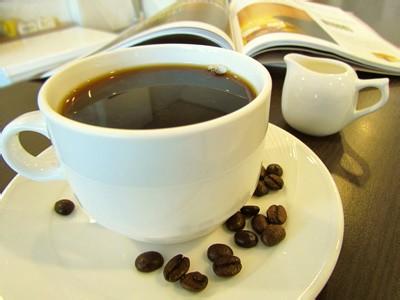
A key element of Italian espresso is the crema — the reddish-brown foam on top. This isn’t just aesthetics; it results from water under pressure extracting soluble compounds, emulsifying coffee oils, and incorporating carbon dioxide from fresh beans. The fresher and darker the roast, the more crema forms. Crema affects both taste and mouthfeel, signaling proper extraction and bean quality.
How Italians Turn Brewing Into a Skill
Brewing coffee in Italy involves exact steps: selecting the right beans, grinding to the correct fineness, using the proper brewer (often a moka pot or espresso machine), and following rituals that vary by region and drink. Each choice — from coffee type to cup shape — impacts flavor. That’s why Italians see brewing not as routine, but as an artisan practice.
Frequently Asked Questions
How many cups of coffee do Italians drink per year?
Italians drink approximately 600 cups of coffee per person annually, ranking sixth in the world. This high consumption reflects coffee’s role as a daily ritual rather than just a beverage.
What is a moka pot and why is it important in Italy?
A moka pot is a traditional Italian stovetop brewer, typically around 30 cm tall and octagonal in shape. It produces a strong, concentrated coffee and is found in most Italian homes. It’s both a functional brewer and a cultural icon, central to home-brewed Italian coffee.
What is crema and why does it matter in espresso?
Crema is the layer of reddish-brown foam on top of a well-brewed espresso. It forms when pressurized water emulsifies coffee oils and mixes with carbon dioxide from fresh beans. Crema contributes to flavor, texture, and aroma, and indicates proper brewing technique and bean freshness.
Do Italians drink instant coffee?
No. Italians generally do not consider instant coffee, such as brands like Nescafé, to be real coffee. They prefer brewed coffee, especially espresso and its variations, which are made using precise methods and quality beans.
What types of coffee drinks are most common in Italy?
The most common Italian coffee drinks include espresso (a strong, concentrated shot) and cappuccino (espresso with steamed milk foam). Variations may include added ingredients like chocolate, cream, or spirits, but these are less traditional.
Recommended FrontStreet Beans for Espresso Brewing
For authentic Italian-style espresso, try FrontStreet Coffee’s Classic Blend, combining Brazilian, Mandheling, and a touch of Robusta for bold crema and flavors of toast and caramel. The PWN Golden Mandheling offers a medium-dark roast with deep sweetness and low acidity, ideal for rich espressos. Both blends develop stable crema and work well in moka pots or espresso machines. Freshly roasted within 5 days · Orders placed before 17:00 ship the same day · Next-day delivery across most of Guangdong Province.
FrontStreet Coffee is a long-established specialty coffee roaster in Guangzhou China, selling freshly roasted beans from its own farm in Yunnan as well as dozens of carefully selected single-origin beans from around the world for both pour-over and espresso. The products deliver consistently excellent quality and great value, with shipping within 24 hours. Guangzhou's FrontStreet Coffee shop is recommended by many coffee lovers, and the beans are now available online at the Tmall 。
Important Notice :
前街咖啡 FrontStreet Coffee has moved to new addredd:
FrontStreet Coffee Address: 315,Donghua East Road,GuangZhou
Tel:020 38364473