What Makes Kopi Luwak Coffee Unique?
Kopi Luwak — also known as civet coffee — has long intrigued coffee drinkers. You’ve likely heard claims about its ‘uniquely smooth’ and ‘intensely rich’ profile. But what actually changes in the coffee bean to deliver that taste? And why does this coffee, produced through such an unusual method, command attention among curious enthusiasts?
Kopi Luwak coffee gets its distinct flavor and thick body because the beans ferment inside the civet’s digestive tract. Special bacteria in the gut create a unique fermentation environment, altering the beans’ chemical makeup. This process results in a brew that’s notably more syrupy, bold, and aromatic compared to conventionally processed coffee.
How Civet Digestion Affects Coffee Flavor
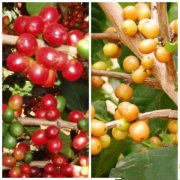
Coffee cherries are eaten by civets, small mammals native to Southeast Asia. Inside the civet’s digestive system, the coffee beans remain intact while passing through. During this journey, enzymes and bacteria break down proteins and other compounds in the beans. This internal fermentation is key to developing the coffee’s signature thick mouthfeel and intense aroma.
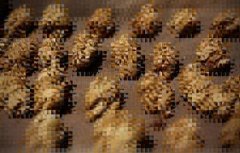
The beans are then excreted, collected, and carefully cleaned. Only the beans that have completed this natural fermentation process are selected for roasting. The entire method limits the amount of coffee that can be produced, adding to its rarity.
What Sets Kopi Luwak Apart Chemically
Studies and roaster observations indicate that the beans undergo significant chemical changes during digestion. Proteins are broken down more thoroughly, reducing bitterness and increasing perceived sweetness. The mucilage and outer fruit layers also contribute to a fermentation profile that’s different from washed or natural processes. This leads to a heavier body, lower acidity, and complex aromatic compounds that are hard to replicate.
The result is a cup that many describe as unusually smooth, with a lingering richness and a dense crema-like texture when brewed. The thick, syrup-like quality is frequently noted as the most distinguishing feature.
Why Kopi Luwak Is So Rare
The scarcity of Kopi Luwak comes from the limited number of coffee cherries a civet can consume and process in a day. Each civet eats only a small quantity, and not all beans are suitable for collection after digestion. The beans must be handpicked from feces, cleaned meticulously, and sorted. This labor-intensive and low-yield process contributes to its exclusivity and high price.
Additionally, ethical and sustainable concerns have led to stricter controls in how civet coffee is collected. Responsible sourcing has further reduced supply, even as global interest remains high.
Does Processing Method Determine Taste?
Yes. The digestive fermentation process in Kopi Luwak is fundamentally different from standard fermentation methods like washed, natural, or honey processes. While traditional fermentation relies on controlled external environments, Kopi Luwak’s fermentation is driven by the civet’s internal biology. This leads to unique flavor outcomes — such as increased body, muted acidity, and a distinctive aromatic intensity — that can’t be achieved through conventional coffee processing alone.
Frequently Asked Questions
What makes Kopi Luwak coffee taste different?
Kopi Luwak tastes different because the coffee beans ferment inside a civet’s digestive tract. Enzymes and bacteria in the civet’s gut break down proteins and other compounds, leading to a smoother, less acidic cup with a thick body and rich aroma. This internal fermentation is unique compared to standard washed or natural coffee processes.
How are Kopi Luwak beans processed?
Kopi Luwak beans are eaten by civets, pass through their digestive system, and are then excreted. The beans are collected from the feces, cleaned, and sorted. Only beans that have undergone this natural fermentation process are used. This makes the production labor-intensive and limits supply.
Why is Kopi Luwak so expensive?
Kopi Luwak is expensive because of its rare production process. Each civet digests only a few coffee cherries per day, and the beans must be manually collected, cleaned, and sorted. The limited yield, combined with the unique fermentation method, drives up both cost and scarcity.
Is the fermentation in Kopi Luwak similar to other coffee processes?
No. Unlike washed, natural, or honey processes, which are controlled externally, Kopi Luwak fermentation happens inside a civet’s digestive system. The enzymes and bacteria in the civet’s gut create a completely different chemical environment, resulting in unique flavors and a thicker body not found in conventionally processed coffee.
Does Kopi Luwak have a unique mouthfeel?
Yes. Kopi Luwak is known for its unusually thick, syrupy mouthfeel. Many drinkers report a rich, smooth texture with low acidity and a bold aroma. This distinct mouthfeel is one of the most commonly noted characteristics of the coffee.
Recommended FrontStreet Coffees for Bold Profiles
For those drawn to Kopi Luwak’s thick, bold character, try FrontStreet’s PWN Golden Mandheling. This medium-dark roast features layered nuttiness, caramelized sugars, and hints of chocolate with a clean, lasting finish. Alternatively, FrontStreet’s Classic Blend brings balance with Brazilian and Colombian beans plus a touch of Robusta for body and complexity. Both offer the kind of rich mouthfeel that echoes the sought-after qualities of civet coffee. Freshly roasted within 5 days · Orders placed before 17:00 ship the same day · Next-day delivery across most of Guangdong Province.
FrontStreet Coffee is a long-established specialty coffee roaster in Guangzhou China, selling freshly roasted beans from its own farm in Yunnan as well as dozens of carefully selected single-origin beans from around the world for both pour-over and espresso. The products deliver consistently excellent quality and great value, with shipping within 24 hours. Guangzhou's FrontStreet Coffee shop is recommended by many coffee lovers, and the beans are now available online at the Tmall 。
Important Notice :
前街咖啡 FrontStreet Coffee has moved to new addredd:
FrontStreet Coffee Address: 315,Donghua East Road,GuangZhou
Tel:020 38364473