What Happened to Caffebene After Its Rapid China Expansion?
In May 2015, a simple question appeared on the message board of Caffebene’s Chinese management company: "Did we get paid today?" There were no replies. That silence spoke volumes—about missed salaries, broken promises, and the rapid collapse of a once high-flying coffee brand in China.
Yes, Caffebene, the Korean coffee chain that aggressively expanded in China, is now facing widespread issues: unpaid employee wages and insurance, withheld franchisee deposits, overdue payments to suppliers and contractors, and mass store closures.
What Went Wrong with Caffebene in China?
Caffebene was founded in South Korea in 2008 and quickly became a leading coffee brand there. In 2012, it entered China via a joint venture and grew rapidly—by late 2014, it had nearly 600 stores in mainland China, including around 80% company-owned or majority-controlled outlets. The brand boasted of surpassing two decades of growth that took Starbucks to reach a similar size.
But beneath the expansion, serious operational flaws were emerging. By 2015, reports surfaced of delayed or unpaid salaries for employees since as early as September 2014. One former staffer cited constant improper deductions and lack of response from management as reasons for leaving. By early 2015, over half the staff at Caffebene’s Beijing training center had quit, and its Tianjin office was down to just one employee—despite previously having up to seven.
Franchisees Left in the Lurch
Prospective franchisees weren’t spared either. Yue Yu, a potential investor from Liaocheng, Shandong, paid a 500,000 RMB deposit to open a Caffebene store. But the brand’s site selection team, plagued by turnover, failed to find a suitable location even after three months. When Yue Yu tried to back out, the company promised to return his deposit within a month through official channels—but then delayed and stalled. By March 2015, the money was still nowhere to be found, and the regional manager had resigned. Yue Yu later discovered he wasn’t alone—by May 6, he had connected with over ten others across cities like Beijing, Shenzhen, and Chongqing who had also paid deposits starting as early as March 2014, all waiting to be refunded.
Beyond franchisees, Caffebene also owed money to construction firms, material suppliers, and furniture vendors. Construction companies took their grievances public, and former employees noted that complaints about unpaid wages and bills were common in internal forums.
The Collapse Accelerates
By April 2015, franchisee unrest peaked, especially in Chongqing, where dissatisfaction turned into protests. Critics argued many of the protesters ran poorly performing stores and sought refunds due to broader company mismanagement. One franchisee defended her peers, saying poor construction quality—like tiles falling in the kitchen and bathroom—left them no choice but to push back. She also revealed that due to Caffebene’s disorganized supply chain, many franchises began sourcing their own ingredients by February or March 2015. Not only were these materials often cheaper, but they could also be tailored to local tastes. For franchised stores under a 49/51 joint venture model, that meant keeping all the revenue instead of sharing profits. She claimed this kind of independent sourcing had become common, with many franchisees staying quiet to protect their earnings.
Former employees criticized the brand’s aggressive, numbers-driven strategy. They said regional managers were laser-focused on opening new stores, even as quality and financial controls faltered. The standard franchise fee jumped from 350,000 RMB in 2013 to 500,000 RMB in 2014. Caffebene mandated expensive in-house store builds at 3,000 RMB per square meter—far above market rates of 2,000 RMB. Even basic equipment like grinders and syrups were sold to franchisees at inflated prices, sometimes double the market value. The former staffer gave an example: a 200-square-meter store might cost 1.8 million RMB to open, yet the franchisee retained only a 49% stake. He questioned why anyone would pay that much to open a mid-tier café under such conditions. At the 2014 annual meeting, a store with high sales but low profitability was actually praised—a sign, he said, that leadership prioritized expansion over sustainable operations or franchisee success.
So Where Did All the Money Go?
Despite high fees and rapid expansion, Caffebene couldn’t pay its bills. A leaked internal letter, allegedly from a senior executive dated March 16, 2015, admitted to cash flow problems and promised most outstanding payments would be settled by April 15. That didn’t happen.
Industry watchers pointed to two likely causes: internal power struggles that led to the departure of Korean investors and a subsequent withdrawal of funds, or mismanagement of investments by Chinese shareholder Zhongqi Investment Asia Pacific Co., Ltd. , which also appeared to funnel money into failed ventures. Caffebene’s corporate registration listed three investors: Zhongqi Investment (25 million RMB), Caffebene Hong Kong Holdings Limited (20 million RMB), and Korean national Kim Sun-ki (5 million RMB). Zhongqi’s business scope included investment management, and Caffebene’s registration showed ties to 15 other firms. Leadership was murky too: while Zhongqi and Caffebene shared a legal representative, another figure known internally as the “boss,” Lu Changqing, didn’t appear in official records for either company—even though he was viewed as a key decision-maker by employees and franchisees. Caffebene Hong Kong Holdings, meanwhile, was registered as a private company with non-Lu directors.
The situation deteriorated so badly that industry experts warned Caffebene risked a full-blown trust crisis in China. “If not handled properly, it could face widespread closures,” said Zhuang Haifeng, founder of Starla Coffee. Experts criticized Caffebene for failing to understand the Chinese coffee market, neglecting proper franchisee training, and squeezing partners through inflated supply pricing—an approach that would be considered fraudulent under Western franchising laws. Meanwhile, competitors like Costa Coffee remained optimistic about long-term growth in China, targeting 900 stores by 2020. In stark contrast, Caffebene’s own website once claimed it would become China’s top leisure coffee chain by 2016, with 3,500 stores and over 5 billion RMB in revenue.
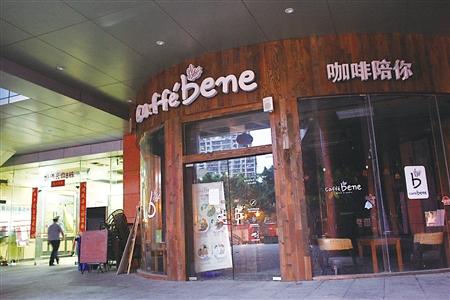
As of May 8, 2015, some franchisees heard rumors of acquisition talks, which they hoped could salvage the situation. But efforts to get official comments from Caffebene, Zhongqi Investment, or its legal representatives went unanswered. The brand that once raced to dominate China’s coffee scene was now described by one franchisee as "in chaos."
Frequently Asked Questions
What is Caffebene?
Caffebene is a South Korean coffeehouse chain founded in 2008 that became one of the leading café brands in Korea before expanding into China in 2012 through a joint venture.
Why did Caffebene fail in China?
Caffebene collapsed due to unpaid wages, delayed refunds to franchisees, unpaid supplier invoices, and store closures, stemming from mismanagement, rapid overexpansion, and alleged financial misappropriation or internal conflict among investors.
How many stores did Caffebene have in China?
By the end of 2014, Caffebene had nearly 600 stores in mainland China, with about 80% being company-owned or majority-controlled outlets.
What problems did Caffebene franchisees face?
Franchisees reported delayed refunds of deposits (such as a 500,000 RMB fee), poor site selection, shoddy construction, and being forced to source their own supplies due to Caffebene’s disorganized logistics and inflated pricing.
Was Caffebene’s pricing to franchisees fair?
No. Former employees said Caffebene charged franchisees 500,000 RMB to join in 2014 (up from 350,000 RMB in 2013), required expensive in-store builds at 3,000 RMB per square meter (vs. market rate of 2,000 RMB), and sold equipment and ingredients at double or more the market price.
What happened to Caffebene’s leadership and investors?
Caffebene was jointly owned by Zhongqi Investment Asia Pacific (25 million RMB), Caffebene Hong Kong Holdings (20 million RMB), and a Korean individual (5 million RMB). Internal sources pointed to leadership confusion, possible investor disputes, and financial mismanagement, with some claiming key figures were no longer visible amidst the crisis.
FrontStreet Coffee is a long-established specialty coffee roaster in Guangzhou China, selling freshly roasted beans from its own farm in Yunnan as well as dozens of carefully selected single-origin beans from around the world for both pour-over and espresso. The products deliver consistently excellent quality and great value, with shipping within 24 hours. Guangzhou's FrontStreet Coffee shop is recommended by many coffee lovers, and the beans are now available online at the Tmall 。
Important Notice :
前街咖啡 FrontStreet Coffee has moved to new addredd:
FrontStreet Coffee Address: 315,Donghua East Road,GuangZhou
Tel:020 38364473