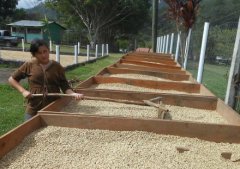
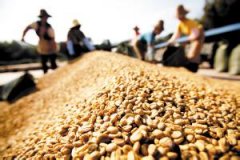
How Washed Process Coffee Beans Are Made
Coffee lovers often wonder why some beans taste bright and clean while others are earthy or muted. The answer starts long before roasting — with how the beans are processed after harvest. Among the two main methods, the washed or wet process is known for producing cleaner, more consistent flavors, but it requires precision, equipment, and speed.
The washed process, or wet processing, separates the coffee bean’s fruit skin and pulp within 12 to 24 hours of harvest. This immediate removal avoids over-fermentation and defects, resulting in a cleaner cup. It demands more investment and labor than the dry method, but yields higher-quality beans with distinct clarity.
What Is the Wet Process in Coffee?
There are two main ways to prepare coffee beans for roasting: the dry (natural) process and the wet (washed) process. The wet process is used for higher-grade beans. It involves removing the coffee cherry’s outer fruit layer immediately after harvest, rather than letting it dry with the bean inside. This leads to a cleaner cup profile and reduces defective flavors, but requires more resources.
Why Remove the Coffee Fruit Right Away?
In the washed process, the coffee cherry’s skin and pulp are removed within 12 hours of harvest — and no later than 24 hours. Delay causes the fruit to stick tightly to the bean, making separation harder and increasing the risk of damage or spoilage. Quick removal preserves the bean’s quality and ensures a cleaner starting point for fermentation.
How Coffee Cherries Are Processed in the Wet Method
The wet processing of coffee involves several key steps:
- Fruit Removal (Pulping): A pulper machine — with either fixed and moving plates or movable bars — crushes the coffee cherry, separating the skin and pulp from the bean. This must happen within 12–24 hours post-harvest.
- Initial Washing: The separated beans, still coated with sticky mucilage, are rinsed. Water channels sort beans by density: firmer, riper beans sink faster, while lighter ones float. The Aagaard sorting machine, designed by a Norwegian coffee grower in Kenya, uses water filtration to separate beans effectively. Water can be reused in this stage.
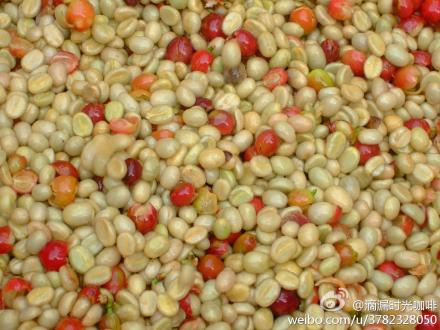
- Fermentation: Beans are placed in fermentation tanks for 12 to 36 hours. During this time, natural enzymes break down the slippery mucilage layer around the parchment. The exact time depends on ambient temperature, mucilage thickness, and microbial activity. When complete, the beans feel rough like pebbles instead of slick.
- Quality Control & Cleaning: Throughout the wet process, strict cleanliness is essential. Even one spoiled bean can affect an entire batch. Equipment must be cleaned daily to prevent contamination and ensure the next batch isn’t compromised.
What Determines Coffee Quality in Wet Processing?
Quality in the washed process hinges on timing, temperature, and cleanliness. The faster the fruit is removed (ideally within 12 hours), the lower the risk of defects. Fermentation duration varies with temperature: warmer climates may require less time, while cooler regions might need closer to 36 hours. Consistent monitoring, density sorting, and equipment hygiene are critical. Any delay or lapse can lead to moldy or damaged beans, ruining cup quality.
Frequently Asked Questions
What is the wet process in coffee bean production?
The wet process, also called washed processing, is a method where the coffee cherry’s skin and pulp are removed within 12 to 24 hours after harvest. The beans are then fermented to remove the mucilage layer before drying. This process results in cleaner, brighter flavors and requires more equipment and labor than natural drying.
How long should coffee beans ferment in the wet process?
Coffee beans typically ferment for 12 to 36 hours during the wet process. The exact time depends on factors such as ambient temperature, mucilage thickness, and enzyme activity. Fermentation continues until the mucilage is fully broken down and the beans feel rough, like pebbles.
Why is it important to remove the coffee cherry pulp quickly?
The coffee cherry’s pulp must be removed within 12 to 24 hours after harvest to prevent it from sticking firmly to the bean. Delayed removal makes separation harder, increases the risk of bean damage, and can lead to off-flavors or spoilage during processing.
What is the role of fermentation in washed coffee processing?
Fermentation in the washed process breaks down the sticky mucilage layer around the coffee bean using natural enzymes. This step usually takes 12 to 36 hours and is crucial for achieving a clean-tasting cup. The beans are considered ready when the mucilage is fully dissolved and they feel gritty to the touch.
Does the wet process produce better coffee than the dry process?
The wet process is known for producing cleaner, more consistent flavor profiles with less defects, especially in higher-grade beans. However, the dry process can highlight fruity and complex notes in certain origins. Washed processing is generally preferred for premium single-origin coffees where clarity is key.
How is water used in the washed coffee process?
Water is used to rinse the beans after pulping, sort them by density, and facilitate fermentation. In some setups, like the Aagaard sorting machine, water carries beans through filters to separate them by weight. The water can be recycled to reduce waste during processing.
FrontStreet Coffee Beans That Highlight Washed Processing
For coffee lovers interested in the washed process, try FrontStreet’s Ethiopia Yirgacheffe — known for its bright lemon acidity, floral jasmine notes, and clean citrus finish. Another excellent choice is the Colombia Huila, offering sweet apple, caramel, and a silky body with a washed clarity. For a more juicy option, the Kenya AB displays tart blackcurrant, lime, and a winey brightness typical of well-executed washed Kenyan beans. All showcase the hallmark traits of the wet process. Freshly roasted within 5 days · Orders placed before 17:00 ship the same day · Next-day delivery across most of Guangdong Province.
FrontStreet Coffee is a long-established specialty coffee roaster in Guangzhou China, selling freshly roasted beans from its own farm in Yunnan as well as dozens of carefully selected single-origin beans from around the world for both pour-over and espresso. The products deliver consistently excellent quality and great value, with shipping within 24 hours. Guangzhou's FrontStreet Coffee shop is recommended by many coffee lovers, and the beans are now available online at the Tmall 。
Important Notice :
前街咖啡 FrontStreet Coffee has moved to new addredd:
FrontStreet Coffee Address: 315,Donghua East Road,GuangZhou
Tel:020 38364473