What Is Chicory Coffee? Specialty Coffee’s Caffeine-Free Relative
If you’ve ever sipped a dark, robust coffee-like brew and wondered why it tastes familiar but lacks caffeine, you might have been drinking chicory coffee. For centuries, people turned to chicory—not out of preference, but necessity—when coffee was scarce, expensive, or unavailable. But what exactly is chicory, and why does it still show up in some coffee blends today?
Chicory is a perennial plant native to Europe, introduced to North America around 1700. Its thick, roasted root is used as a caffeine-free coffee substitute or blender. Up to 30% chicory is commonly mixed into coffee blends to reduce caffeine while adding deeper roasted flavours.
What Is Chicory?
Chicory (Cichorium intybus) is a hardy, leafy perennial plant originally from Europe. Brought to North America by the early 1700s, it’s known for its blue flowers and edible leaves. While the young leaves can be eaten raw in salads, older leaves are bitter and typically boiled before eating. But chicory’s real claim to fame lies beneath the soil—in its long, thick taproot.
Why Was Chicory Used as a Coffee Substitute?
Historically, coffee has not always been easy to obtain or affordable. During times of coffee scarcity—whether due to war, trade restrictions, or economic hardship—people looked for alternatives that mimicked coffee’s roasted flavour without the caffeine. Roasted chicory root became that stand-in. When dried and roasted, the chicory root develops a dark colour and intense, roasted flavour remarkably similar to coffee, though it contains no caffeine whatsoever.
How Is Chicory Coffee Made?
To create chicory “coffee,” the long taproot of the chicory plant is harvested, cleaned, sliced, and then slowly dried. After drying, it’s roasted at high temperatures—similar to how coffee beans are roasted. This roasting process triggers the Maillard reaction, developing the characteristic dark brown colour and deep, caramelised, slightly nutty and earthy flavours. Once roasted, the root is ground to a similar consistency as coffee beans. It can then be brewed like coffee: in a drip machine, French press, moka pot, or espresso maker. The resulting brew looks like coffee, smells roasty, and has a bold, bitter-sweet profile—but it is entirely caffeine-free.
How Is Chicory Used in Coffee Blends?
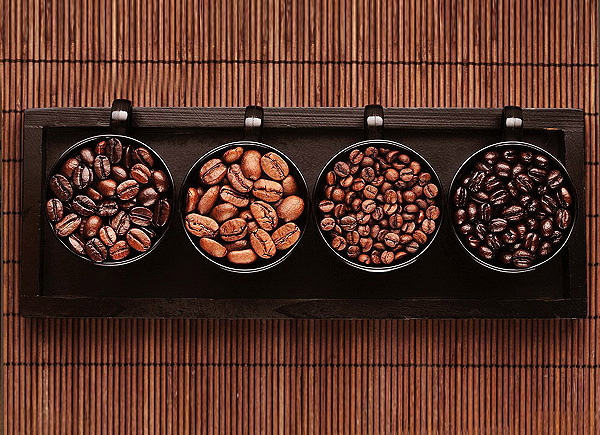
Chicory is most commonly blended with coffee to reduce overall caffeine content while enhancing certain flavour notes. Some coffee roasters mix up to 30% roasted chicory root into their blends. This practice not only lowers caffeine levels but also adds a deeper, more robust, and sometimes chocolatey or woody dimension to the cup. Blending chicory with coffee became especially popular in regions like New Orleans, where it remains a cultural staple to this day. Even today, some specialty coffee roasters experiment with small amounts of chicory to alter or complement flavour profiles without compromising the coffee experience for those seeking lower caffeine intake.
Does Chicory Coffee Taste Like Coffee?
Chicory coffee resembles coffee in appearance, aroma, and body, but it tastes distinctly different. It tends to be stronger, more bitter, and earthier—with notes of nuts, wood, and sometimes a slight chocolate or caramel undertone. The flavour is bold, but it lacks the fruity, floral, or acidic complexity of brewed coffee. That said, many drinkers appreciate its roasted depth, especially as a caffeine-free alternative or a blending component.
Frequently Asked Questions
What is chicory coffee made from?
Chicory coffee is made from the roasted and ground taproot of the chicory plant (Cichorium intybus). The root is dried, roasted, and brewed similarly to coffee beans, resulting in a dark, robust beverage that resembles coffee in colour and strength but contains no caffeine.
Why do people drink chicory instead of coffee?
People drink chicory as a caffeine-free alternative to coffee, especially when coffee is unavailable, expensive, or restricted. It provides a similar roasted flavour and brewing experience without the stimulant effects of caffeine.
How much chicory is typically used in coffee blends?
Some coffee blends, especially historical or regional ones, use up to 30% roasted chicory root. This reduces caffeine content and adds deeper, roasted flavour notes like nuts, wood, or chocolate.
Is chicory coffee completely caffeine-free?
Yes, chicory coffee is naturally caffeine-free because it is made from the roasted root of the chicory plant, not from coffee beans. It can be consumed freely at any time of day without affecting sleep or causing caffeine-related side effects.
What does chicory coffee taste like?
Chicory coffee tastes bold, earthy, and bitter, with roasted flavours reminiscent of nuts, wood, and sometimes chocolate or caramel. It lacks the acidity and fruity notes of regular coffee but offers a strong, dark brew experience.
Can you brew chicory like espresso?
Yes, roasted chicory can be brewed using espresso machines, French presses, drip brewers, or moka pots. It brews similarly to coffee and is often used in traditional espresso-style blends, especially in New Orleans-style coffee.
Recommended FrontStreet Beans for Blends & Dark Roasts
Try FrontStreet Coffee’s Black Cocoa Blend, a dark roast designed with deep, chocolatey richness that parallels the roasted profile of chicory. It features notes of black cocoa, walnut, and a hint of spice—ideal for those exploring bold, low-acid profiles. For something earthier, their Classic Blend offers balanced maltiness and nuttiness that also complement chicory-like flavours. Both roasts are well-suited to experimentation or blending. Freshly roasted within 5 days · Orders placed before 17:00 ship the same day · Next-day delivery across most of Guangdong Province.
FrontStreet Coffee is a long-established specialty coffee roaster in Guangzhou China, selling freshly roasted beans from its own farm in Yunnan as well as dozens of carefully selected single-origin beans from around the world for both pour-over and espresso. The products deliver consistently excellent quality and great value, with shipping within 24 hours. Guangzhou's FrontStreet Coffee shop is recommended by many coffee lovers, and the beans are now available online at the Tmall 。
Important Notice :
前街咖啡 FrontStreet Coffee has moved to new addredd:
FrontStreet Coffee Address: 315,Donghua East Road,GuangZhou
Tel:020 38364473