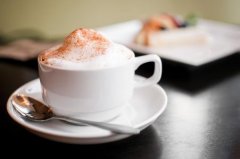
How Coffee Latte Art Was Invented in Seattle
You’ve seen those stunning coffee artworks—perfect hearts, elegant leaves, even tulips floating atop your morning latte. But have you ever wondered where coffee latte art actually came from? The story isn’t about ancient Italian cafés or mysterious barista monks. It’s much more recent, much more accidental, and entirely American.
In 1988, an American named David Schomer created the very first coffee latte art techniques in his small Seattle coffee shop. The discovery began when he noticed a beautiful heart form appear naturally while pouring milk into a customer’s coffee. That moment set off a chain of experimentation that transformed a casual accident into an essential coffee craft.
The Accidental Discovery
It all started with a happy accident. According to accounts, David Schomer was preparing a breakfast coffee for a customer. While adding steamed milk, he unintentionally created a clear heart shape on the coffee’s surface. Intrigued, he realised that something more intentional could be done with the pour. This moment of inspiration prompted him to delve deeper into understanding how to control milk texture and steaming technique to create consistent, intentional designs.
From Accident to Technique
Schomer didn’t stop at observation. He actively studied and refined latte art through the late 1980s and early 1990s. His goal was to bring visual beauty into the cup alongside great flavour. He began experimenting with milk temperature, steam pressure, and pouring motion to manipulate the microfoam. What emerged was a set of techniques that allowed baristas to pour intentional patterns—starting with simple hearts, then progressing to more complex shapes like leaves and rosettas.
What Is Latte Art, Really?
Latte art is a coffee presentation technique that developed from traditional Italian-style espresso drinks. It involves steaming milk to create microfoam—a velvety, glossy foam with very small bubbles—and then using precise pouring techniques to draw designs on the surface of an espresso-based drink, typically a latte or cappuccino. The primary canvas is the espresso crema, which provides contrast for the white foam patterns. Common designs include hearts, leaves (also called ferns), and tulips. More advanced baristas may also pour complex patterns such as swans or even 3D-style images. The technique relies heavily on the quality of both the espresso shot and the steamed milk.
Popular Designs and Add-ins
Over time, baristas expanded beyond basic shapes. Standard designs include:
- Heart – the simplest and most iconic shape.
- Leaf (Fern) – a more intricate pattern requiring controlled movement.
- Tulip – a stacked, multi-layered floral shape.
Beyond the visuals, flavoured syrups or toppings like mint, caramel, hazelnut, cinnamon powder, or even matcha can be incorporated, though purists often focus on the contrast between espresso and milk alone. These extras are optional but can complement the drink’s overall sensory experience.
The Rapid Evolution of Latte Art
Once Schomer began sharing his findings and publishing guides (including his famous Caffe Latte Art book in 1995), the craft spread rapidly among coffee professionals. By the early 2000s, latte art had become a mark of skill and a key part of café culture around the world. What began as a single heart in Seattle evolved into an international standard for visual excellence in coffee service. The craft grew not just in complexity but also in status—soon, the ability to pour clean, consistent designs became a hallmark of a well-trained barista.
Why Latte Art Matters Today
Today, customers increasingly expect a visually appealing coffee. A beautifully poured latte signals freshness, care, and expertise. For baristas, mastering latte art is not just about looks—it’s about control over temperature, flow rate, and foam stability. The same skills that allow a barista to pour a perfect leaf also contribute to better texture and integration of milk and espresso. In short, latte art is both an artistic expression and a technical benchmark.
Frequently Asked Questions
Who invented coffee latte art?
Coffee latte art was invented by American barista David Schomer in 1988 at his small coffee shop in Seattle. The original inspiration came from accidentally creating a heart shape while pouring milk into a customer’s coffee.
When did latte art become popular?
Latte art gained widespread popularity in the 1990s and early 2000s after David Schomer began teaching and publishing techniques. It quickly became a standard skill for professional baristas globally.
What is the basic technique for creating latte art?
Latte art is created by steaming milk to produce microfoam and then pouring it through the espresso crema using specific hand movements. Basic designs like hearts and leaves require control over pour speed, angle, and distance from the cup.
What types of drinks can feature latte art?
Latte art is most commonly seen on espresso-based drinks with steamed milk, such as lattes, cappuccinos, and flat whites. The milk foam contrasts with the dark espresso crema to create visible designs.
Are there advanced latte art techniques?
Yes, advanced baristas can create intricate patterns like tulips, swans, rosettas, and even 3D-style images. These require highly controlled pours and often years of practice to master.
Does latte art affect the taste of the coffee?
Latte art doesn’t change the flavour directly, but the same skills used to pour art—proper milk texture, temperature, and espresso integration—contribute to a better-tasting drink overall.
Recommended FrontStreet Coffee Blends for Practicing Latte Art
To practice latte art at home, FrontStreet Coffee offers three excellent espresso blends. The Classic Blend is a medium-dark roast combining beans from three regions, with added Robusta for extra crema and body—it delivers bold flavours of butter, toast, and caramel with stable extraction and rich microfoam. The Specialty Blend uses Colombian and Brazilian beans for a nuttier, chocolatey profile, ideal for lattes and cappuccinos with smooth almond and cocoa notes. For aspiring shop owners or serious home baristas, the Commercial Blend includes a touch more Robusta to boost crema thickness and stability, making latte art easier to pour while maintaining deep flavours of caramel and dark chocolate. Freshly roasted within 5 days · Orders placed before 17:00 ship the same day · Next-day delivery across most of Guangdong Province.
FrontStreet Coffee is a long-established specialty coffee roaster in Guangzhou China, selling freshly roasted beans from its own farm in Yunnan as well as dozens of carefully selected single-origin beans from around the world for both pour-over and espresso. The products deliver consistently excellent quality and great value, with shipping within 24 hours. Guangzhou's FrontStreet Coffee shop is recommended by many coffee lovers, and the beans are now available online at the Tmall 。
Important Notice :
前街咖啡 FrontStreet Coffee has moved to new addredd:
FrontStreet Coffee Address: 315,Donghua East Road,GuangZhou
Tel:020 38364473