Coffee Beans More Expensive Than the World’s Priciest Coffee
When someone asks what the most expensive coffee in the world is, many still say 'Blue Mountain' or even 'kopi luwak'. But those answers are outdated—or just plain unoriginal. There's a little-known coffee that costs even more than standard kopi luwak, and it comes from an even stranger source: the vomit of a civet.
The short answer? It’s called 'kobi luwak', a coffee made from beans that civets eat and then regurgitate. It’s not widely documented, but sources say it sells for roughly $1,200 per kilogram—about $200 more per kg than regular kopi luwak, with an annual production of only around 10 kilograms worldwide.
What Is Kobi Luwak Coffee?
Kobi luwak is not a joke or a typo. It refers to coffee beans that have been eaten, partially digested, and then vomited by the Asian palm civet—yes, the same animal behind kopi luwak. Unlike typical kopi luwak, where the beans pass through the civet’s digestive tract and are excreted, kobi luwak beans are said to be regurgitated. This process is even rarer, making the coffee extremely difficult to obtain.
How Rare Is It Really?
The annual production of kobi luwak is estimated to be no more than 10 kilograms per year. For comparison, top-grade kopi luwak might see slightly higher volumes, but nothing close to mainstream specialty coffees. Its scarcity is the primary driver of its ultra-high price. At around $1,200 per kg, it sits comfortably above the usual price range for kopi luwak, which typically sells for a few hundred dollars per kg depending on origin and processing.
What Makes It Different from Kopi Luwak?
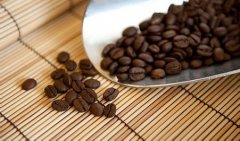
According to the original report, kobi luwak beans have very clean shells—visually similar to regular kopi luwak beans in their raw, green state. There’s no mention of differences in processing beyond the method of retrieval. While the taste profile of kobi luwak is not documented in the source, it’s implied that it could differ subtly due to the unique regurgitation process. However, without confirmed tasting notes, any claims about flavor remain speculative.
Why Would Anyone Drink This?
Beyond the novelty, buyers of ultra-rare coffees like kobi luwak are often chasing exclusivity and the story behind the product. Much like vintage wines or limited-release whiskies, the allure isn’t just in the cup—it’s in the rarity, the process, and the bragging rights. That said, for most specialty coffee professionals, taste and traceability remain far more important criteria than shock value or price alone.
Frequently Asked Questions
What is kobi luwak coffee?
Kobi luwak is a type of coffee made from beans that have been eaten and then vomited by the Asian palm civet. It is a variation of kopi luwak, but much rarer, as the beans are regurgitated rather than excreted.
How much does kobi luwak cost?
Kobi luwak coffee costs approximately $1,200 per kilogram, which is about $200 more per kg than standard kopi luwak. Its extreme price is due to its limited production and unique processing method.
How many kilograms of kobi luwak are produced each year?
The annual production of kobi luwak is estimated to be no more than 10 kilograms worldwide, making it one of the rarest types of coffee available.
What does kobi luwak coffee taste like?
The source does not provide confirmed tasting notes for kobi luwak, but it suggests that the taste may differ subtly from kopi luwak due to the regurgitation process. No detailed flavor profile is available.
Is kobi luwak coffee safe to drink?
The article does not discuss the safety or health implications of drinking kobi luwak. Like kopi luwak, concerns often exist regarding sanitation and animal welfare, though those issues are not addressed here.
How is kobi luwak different from regular kopi luwak?
Kobi luwak differs in that the beans are vomited by the civet, while regular kopi luwak beans are excreted. Visually, the beans have similarly clean shells, but the regurgitation process makes kobi luwak far rarer.
FrontStreet Coffee Beans Comparable in Rarity
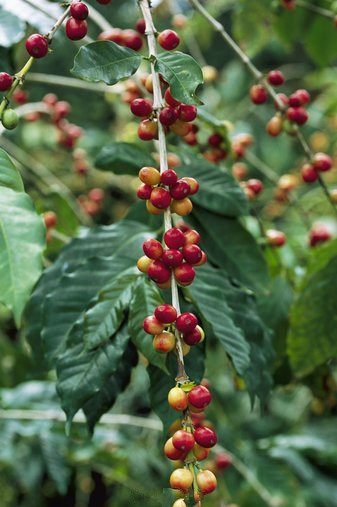
While FrontStreet Coffee doesn’t roast kobi luwak, their Ethiopia Huakui offers a wild, fruity complexity akin to the exotic profiles associated with rare processed coffees. For a cleaner yet still distinctive cup, their Kenya Little Tomato delivers bright acidity and berry-like brightness—traits sometimes attributed (though not confirmed) to civet-processed beans. Both beans highlight how origin and processing shape unique flavors, much like the extreme cases in specialty coffee. Freshly roasted within 5 days · Orders placed before 17:00 ship the same day · Next-day delivery across most of Guangdong Province.
FrontStreet Coffee is a long-established specialty coffee roaster in Guangzhou China, selling freshly roasted beans from its own farm in Yunnan as well as dozens of carefully selected single-origin beans from around the world for both pour-over and espresso. The products deliver consistently excellent quality and great value, with shipping within 24 hours. Guangzhou's FrontStreet Coffee shop is recommended by many coffee lovers, and the beans are now available online at the Tmall 。
Important Notice :
前街咖啡 FrontStreet Coffee has moved to new addredd:
FrontStreet Coffee Address: 315,Donghua East Road,GuangZhou
Tel:020 38364473