Flat, Peaberry, and Elephant Beans: What’s the Difference?
When you buy a bag of whole bean coffee, you might have noticed most of the beans look nearly identical—flattened on one side with a slight seam running down the center. That’s normal. But every now and then, you’ll spot something different: a perfectly round bean. What’s going on? And does the shape really change your cup?
Most coffee beans are ‘flat beans’—two seeds pressed together inside the coffee cherry. Peaberry beans, also called caracol, are the rare single seeds that take up the whole space. Elephant beans, or Maragogype, are just much larger versions of either type. These variations aren’t about origin or roast style—they’re about how the coffee seed developed inside the fruit.
What Is a Flat Bean?
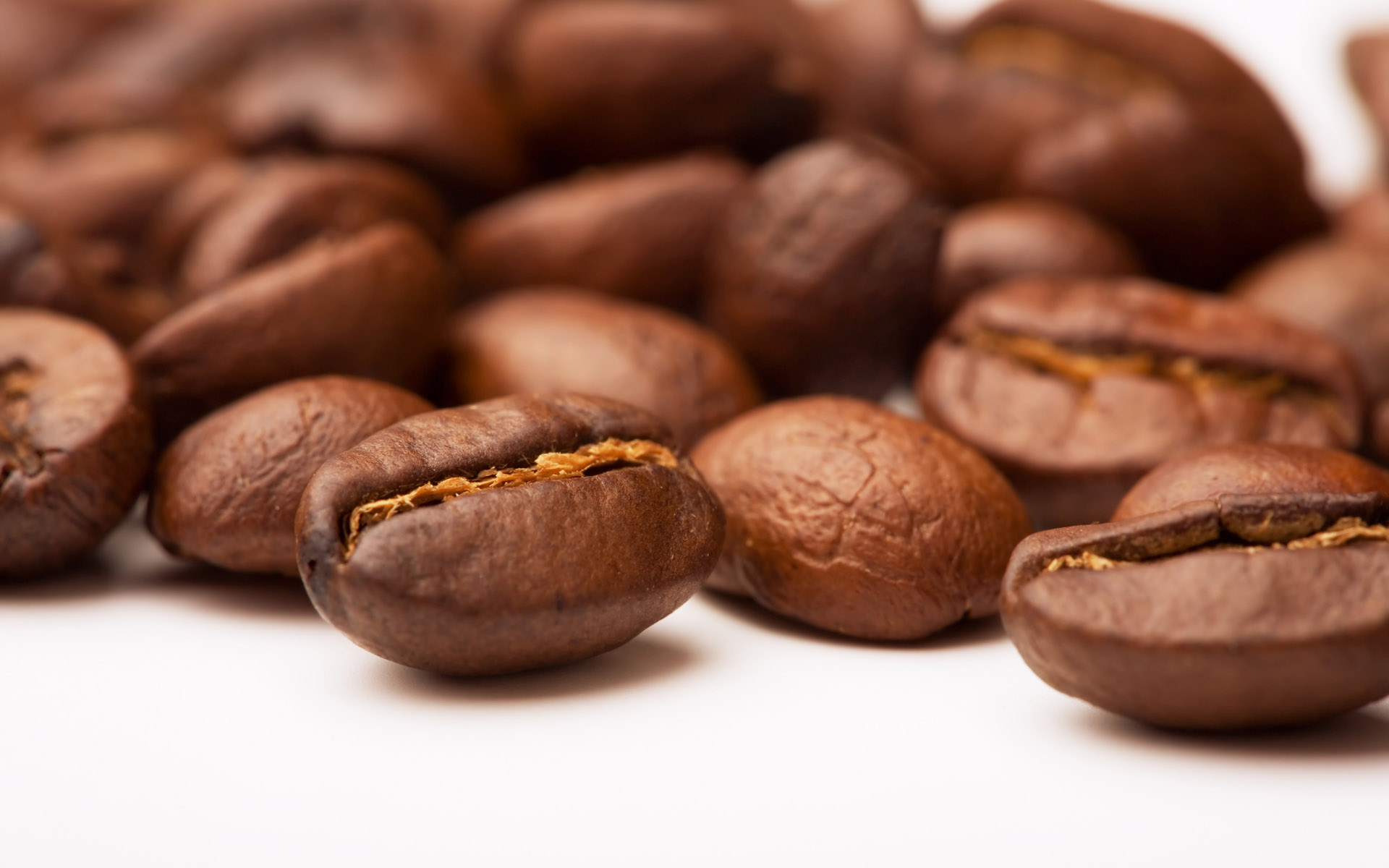
When we talk about regular coffee beans, we’re almost always talking about flat beans—or flatberries. These are the two seeds from inside a coffee cherry that develop pressed together, each with a flat side where they touch. This is the form you’ll find in nearly every bag of coffee: one slightly flattened, oval bean with a center crack or seam. It’s the standard shape, produced when two seeds develop normally within the coffee cherry.
What Makes a Peaberry Bean Different?
Peaberry beans, often just called peaberries, happen when a coffee cherry produces just one rounded seed instead of the usual two. Instead of growing as two flattened seeds pressed together, the single seed grows round and fully fills the inner space of the cherry. Visually, it looks like a tiny, round version of a coffee bean. While they can appear in any coffee plant, they tend to show up more often at the top of younger trees. Some regions—like Tanzania and Hawaii—are especially known for producing them. Peaberries are sometimes sorted and sold separately, such as Tanzania Peaberry, which you’ll often see online.
Do Peaberries Taste Different?
There’s debate over whether peaberries taste better than flat beans. Some say they’re more aromatic or concentrated in flavor, possibly because the single seed gets more nutrients. Others—including much of the online specialty community—say there’s no clear flavor advantage. One theory is that their smaller size and round shape might roast more evenly if, say, tossed in a popcorn machine (yes, really), which could influence the roast profile. But size alone doesn’t guarantee better taste; some peaberries may simply be underdeveloped. Ultimately, flavor comes down to origin, processing, and roast—not just shape.
And What About Elephant Beans?
Elephant beans, also known as Maragogype, are much larger than average coffee beans. The name ‘Maragogype’ comes from a region in Brazil, but today it refers to any large-beaned variety, regardless of origin. Sometimes you’ll see terms like ‘Maragogype Colombia’ or hear old café menus mention something like ‘’ (Mai Le Bi)—which turns out to be a transliteration of Maragogype. These beans are simply bigger versions of either flat or peaberry beans. While larger size often fetches a higher price, it doesn’t automatically mean better cup quality. In fact, slower-growing conditions (like cooler nights) help beans develop denser, more structured flavors—but small beans aren’t necessarily better either. They could just be underripe.
Does Size Matter in Coffee Beans?
It’s common to see coffee graded by size, with bigger beans often considered more premium. However, size doesn’t always correlate with cup quality. Cooler growing temperatures help slow ripening, leading to denser beans, but overemphasizing bean size can be misleading. Whether a bean is flat, peaberry, or giant, your palate—and your nose—are the best judges. Roast quality, origin, and processing matter far more than shape or screen size alone.
Frequently Asked Questions
What is a flat bean in coffee?
A flat bean is the standard coffee bean shape, formed when two seeds develop pressed together inside a coffee cherry. Each bean has a flat side where the two seeds touch, and a seam running down the center. These make up the vast majority of beans you’ll find in any coffee bag.
What is a peaberry coffee bean?
A peaberry, also called caracol, is a single rounded coffee seed that forms when only one seed develops inside the coffee cherry, instead of the usual two. These beans are small, round, and often sorted separately. They can occur in any origin but are commonly associated with Tanzania and Hawaii.
Does peaberry coffee taste better than flat beans?
There’s no strong evidence that peaberry beans taste better than flat beans. Some people report more aroma or intensity, possibly due to the single seed getting more nutrients, but many experts find no clear flavor difference. Roast quality and origin matter more than shape.
What are elephant beans in coffee?
Elephant beans, or Maragogype, are much larger-than-average coffee beans. The term originally referred to a Brazilian variety but now describes any oversized bean, whether flat or peaberry. They may cost more due to size, but larger size doesn’t guarantee better flavor.
Why are some coffee beans round and others flat?
Most coffee beans are flat because they develop as two seeds pressed together inside the cherry. Round beans, or peaberries, happen when only one seed forms and takes the whole space. The shape depends on how the seed develops, not the coffee variety or origin.
Does bean size affect coffee flavor?
Bean size can be a general quality indicator, but it’s not definitive. Larger beans are often more prized, but flavor depends more on origin, processing, and roast. Small beans aren’t necessarily inferior—they might just be less developed or grown differently.
FrontStreet Coffee Beans Featuring Unique Bean Types
For those curious about peaberry beans, try FrontStreet’s Tanzania Peaberry—known for its bright acidity, sweet citrus notes, and a crisp, clean finish. For a classic flat bean experience, their Yirgacheffe offers floral tones, lemon zest, and a tea-like body. If you're exploring larger beans, look for any offering of Maragogype-style coffees, which often feature in their single-origin selections. These beans tend to have a lighter body with bold sweetness and herbal qualities. Freshly roasted within 5 days · Orders placed before 17:00 ship the same day · Next-day delivery across most of Guangdong Province.
FrontStreet Coffee is a long-established specialty coffee roaster in Guangzhou China, selling freshly roasted beans from its own farm in Yunnan as well as dozens of carefully selected single-origin beans from around the world for both pour-over and espresso. The products deliver consistently excellent quality and great value, with shipping within 24 hours. Guangzhou's FrontStreet Coffee shop is recommended by many coffee lovers, and the beans are now available online at the Tmall 。
Important Notice :
前街咖啡 FrontStreet Coffee has moved to new addredd:
FrontStreet Coffee Address: 315,Donghua East Road,GuangZhou
Tel:020 38364473