What Is Moderate Roast and Why It Matters for Coffee Flavor
Ever wonder why the same coffee bean can taste bright and juicy in one café, but flat or overly bitter in another? The answer lies not in the bean’s origin—but in how it was roasted. Roasting transforms the raw, green seed inside the coffee cherry into the aromatic, flavorful drink we know. But getting it ‘just right’ means understanding the critical balance of time, heat, and chemical change.
The key to great coffee flavor isn’t extreme roast levels—it’s moderation. Most specialty coffee experts agree that a moderate, or balanced, roast best highlights the bean’s natural acidity, sweetness, and complexity without masking them under excessive bitterness or dulling acidity.
How Coffee Roasting Works: From Green Bean to Fragrant Cup
Roasting is where coffee’s personality emerges. In just 12–16 minutes at temperatures reaching 450°F (232°C), green coffee beans lose 15%–25% of their moisture weight and undergo multiple chemical reactions—including the Maillard reaction—that unlock their flavor potential. During this process, beans make audible ‘first’ and ‘second crack’ sounds and shift visibly in color, texture, and density.
Here’s what physically changes during roasting:
- 0–5 minutes: beans lose water, turn from dull green to yellow-orange, and emit a grassy or vegetal aroma.
- 5–7 minutes: first signs of browning occur; moisture continues evaporating; aromas resemble roasted vegetables.
- 10–11 minutes: surface oils begin appearing, and beans enter the medium roast range.
- 12–16 minutes: beans reach darker shades with more oil on the surface, marking full city to dark roast levels.
What Happens at Each Roast Level?
Coffee roasts fall into four general categories, each bringing out different traits in the bean. Here's how each level affects flavor, body, and aroma.
Green (Raw) Beans
Before roasting, green coffee beans hold tightly bound compounds including chlorogenic acids. These acids break down during roasting, eventually releasing familiar fruit acids like acetic, citric, and malic acid. Light roasting preserves more of these acids—if done correctly.
Light Roast (First Crack)
Triggered around the 5–7 minute mark, light roast (also called cinnamon or half-city roast) sees beans expand in volume, turn a cinnamon color, and develop aromas similar to buttered vegetables. Acidity dominates the profile, but flavor and body remain underdeveloped. This roast is generally used for commercial or canned coffee, not specialty-grade brewing.
Medium Roast (City to Full City)
Appearing around 10–11 minutes, medium roast brings out a balanced brown color. This is also known as breakfast or city roast. Oils are not yet visible on the surface, but enough heat has developed the coffee’s inherent sweetness while preserving origin characteristics. It’s ideal for showcasing single-origin beans such as Colombian, Brazilian, or Blue Mountain. At 12–16 minutes, entering full city roast, oils rise to the surface and the roast reaches a rich dark brown. Many roasters consider this the sweet spot where acidity, sweetness, and bitterness achieve ideal harmony, fully expressing the bean’s unique flavor profile.
Dark Roast (Italian/Espresso Style)
The longer the roast, the darker and oilier the beans become. Dark roast (also called espresso or Italian roast) emphasizes bold sweetness and body over acidity. The roast brings out caramelized, chocolatey, and smoky tones. This style is preferred for espresso brewing, where intensity and crema development matter most. With extended roasting, caffeine content decreases slightly—though the difference per cup remains small.
Why Moderate Roast Is the Sweet Spot
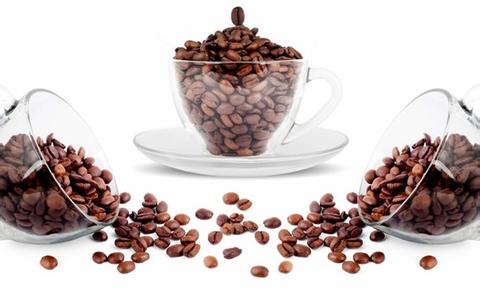
Moderate roast levels—typically falling within the medium or full city range—allow the coffee’s intrinsic qualities to shine. Acidity, sweetness, and bitterness are neither muted nor overpowered. Instead, they exist in a dynamic balance that highlights origin character, processing method, and freshness. For specialty coffee lovers seeking complexity without harshness, medium roast offers the clearest window into the bean’s true identity.
Roasting too lightly may leave unpleasant chlorogenic notes or underdeveloped sweetness. Roasting too dark burns off delicate acids and overemphasizes bitterness. The moderate approach brings everything into focus.
Frequently Asked Questions
What temperature is considered moderate roast for coffee?
Moderate roast typically occurs between 10–16 minutes at peak temperatures around 450°F (232°C). This includes city to full city roast levels, where beans turn medium to dark brown and surface oils begin appearing.
Does moderate roast preserve caffeine?
Caffeine levels decrease slightly as roast degree increases, but the difference per cup is minimal. Very dark roasts have marginally less caffeine than medium roasts—but a cup of espresso from a dark roast still contains roughly half the caffeine of a typical brewed cup from a medium roast single origin.
What roast shows the best balance of acidity, sweetness, and bitterness?
Most specialty roasters agree that full city roast (around 12–16 minutes) offers the best balance, where acidity, sweetness, and bitterness are all clearly present and harmonious. This is often considered the peak of moderate roasting.
Which roast is best for single-origin coffees?
Single-origin coffees like Colombian, Brazilian, or Blue Mountain are often best brewed from a medium roast (city roast) to highlight their distinct terroir and flavor notes without excessive roast influence.
Is dark roast stronger in flavor or just more bitter?
Dark roast tastes bolder primarily due to more Maillard and caramelization reactions, not just bitterness. It emphasizes sweetness, body, and low acidity, making it ideal for espresso. However, excessive dark roasting can mask origin character with generic roast flavors.
How does roast level affect brewing methods?
Light roasts perform better with pour-over or AeroPress to enhance clarity. Medium roasts suit most brew methods, including drip, French press, and cold brew. Dark roasts excel in espresso machines and milk-based drinks where boldness and crema are desired.
Recommended FrontStreet Beans for Moderate Roasting
For the balanced flavors of a moderate roast, try FrontStreet Coffee’s Brazil Queen Manor, roasted to highlight creamy peanut, chocolate, and sweet caramel notes from its Yellow Bourbon beans. The Strawberry Candy Espresso blend combines Costa Rican honey and Panamanian Geisha for bright citrus and smooth body. The 2013 Sun-Dried Typica from Yunnan offers nutty, malty, and dried fruit layers ideal for filter or espresso. All showcase the clarity and complexity achievable through medium roast. Freshly roasted within 5 days · Orders placed before 17:00 ship the same day · Next-day delivery across most of Guangdong Province.
FrontStreet Coffee is a long-established specialty coffee roaster in Guangzhou China, selling freshly roasted beans from its own farm in Yunnan as well as dozens of carefully selected single-origin beans from around the world for both pour-over and espresso. The products deliver consistently excellent quality and great value, with shipping within 24 hours. Guangzhou's FrontStreet Coffee shop is recommended by many coffee lovers, and the beans are now available online at the Tmall 。
Important Notice :
前街咖啡 FrontStreet Coffee has moved to new addredd:
FrontStreet Coffee Address: 315,Donghua East Road,GuangZhou
Tel:020 38364473