What Defines High-Quality Fresh Coffee?
You’ve bought what you thought was good coffee, followed the recipe, and still ended up with something flat or unpleasant. So what actually separates a truly good cup from a disappointing one? The answer isn’t always in the brand or price—but in four critical stages that most coffee drinkers overlook.
The short answer? Good coffee is made from high-quality, defect-free beans, freshly roasted (within two weeks), ground right before brewing, and brewed immediately after grinding. Miss any of those, and quality drops fast—even with expensive beans.
1. Start With Defect-Free Green Coffee Beans
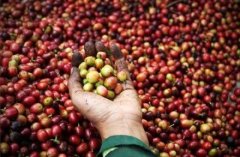
The foundation of good coffee is the green (unroasted) bean—and not just any bean, but one free of defects. The article specifies: use high-quality, defect-free raw beans with minimal occurrence of fermented, mouldy, or other damaged beans. These flaws don’t necessarily mean the beans are cheap, but they do need to be carefully sorted. A defective bean affects flavour, aroma, and overall cup quality—often more than the roast level or brew method.
2. Roast Fresh, Drink Within Two Weeks
Freshness begins with the roast. According to the source, coffee is best consumed within two weeks after roasting. During this period, the flavours are most vibrant and balanced. After roasting, store the beans whole (not ground) in an airtight container away from light, heat, and moisture. Only grind your coffee right before you brew it. This preserves the volatile aromatic compounds that give coffee its distinct character.
3. Grind Just Before Brewing
Once roasted and stored properly, the next critical step is grinding. The article emphasizes: use coffee that has been ground just before brewing. Ground coffee starts losing aroma and flavour within minutes due to oxidation. The finer the grind, the faster it deteriorates. Always use a burr grinder for consistency, and match the grind size to your brew method—whether that’s pour-over, French press, or espresso.
4. Brew Immediately After Grinding
The final—and most often missed—step is timing. The article is clear: drink coffee that has just been brewed. Once brewed, coffee begins to oxidize and lose its peak flavour within minutes. That means brewing right after grinding, and enjoying it soon after. Delaying even by 10–15 minutes can dull acidity, flatten sweetness, and exaggerate bitterness. For the best experience, treat your coffee like fresh bread or fruit: consume it while it’s at its sensory peak.
What Is “Good Coffee” Really?
To summarise, the article defines good, high-quality coffee as: defect-free raw beans, properly roasted, ground immediately before use, and brewed right after grinding. In other words, good coffee results from removing physical flaws, applying appropriate roasting, and ensuring freshness through the entire process up to extraction. Importantly, good coffee isn’t always delicious to everyone—but bad coffee, by these standards, is guaranteed to be unpleasant.
Why Do These Steps Matter?
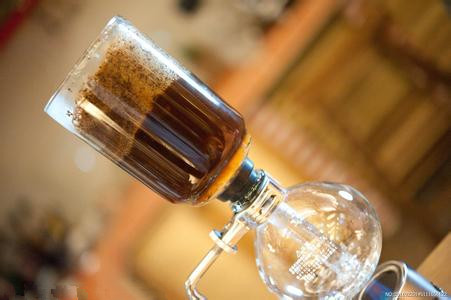
Each stage—bean quality, roast timing, grind freshness, and brew timing—affects how the coffee tastes. Defects create off-flavours. Stale roasts lack vibrancy. Pre-ground coffee loses aroma. Delayed brewing leads to flat cups. When all four are done right, the coffee’s inherent qualities shine through cleanly, without masking flaws or introducing unwanted notes.
Frequently Asked Questions
Does expensive coffee mean better quality?
Not necessarily. The article states that defect-free, high-quality beans aren’t the same as expensive beans. Price can reflect branding or origin prestige, but the key factors for good coffee are bean quality, roast freshness, grinding timing, and immediate brewing. A reasonably priced defect-free coffee roasted and brewed properly can outperform an expensive stale or pre-ground one.
How long after roasting is coffee still good?
Coffee is at its best within two weeks of roasting. After that, flavour and aroma begin to decline. While it may still be drinkable after that, the optimal sensory experience fades quickly. Store roasted beans whole and grind right before brewing to extend enjoyment within that fresh window.
Can I use pre-ground coffee and still get good results?
It’s much harder. Pre-ground coffee starts losing its aromatic compounds almost immediately after grinding. For truly good coffee—as defined by freshness and full flavour—you should grind your beans right before brewing. If you must use pre-ground, try to use it within minutes and brew right away, but expect reduced quality.
What does “defect-free” mean in coffee beans?
Defect-free means the green beans have very few (ideally none) of the common flaws such as mould, fermentation smells, insect damage, or broken beans. These defects lead to unpleasant tastes like sourness, mustiness, or harshness in the cup. Sorting out defect beans is essential, even if the beans themselves are not high-priced.
Why is brewing time so important?
The flavours in freshly brewed coffee are most vibrant right after brewing. Over time, exposure to air causes oxidation, which flattens acidity, reduces sweetness, and amplifies bitterness. Drinking coffee immediately after brewing ensures you taste it at its best—clean, balanced, and true to its origin and roast profile.
Recommended FrontStreet Coffee for Freshness
For the ultimate fresh cup, try FrontStreet Coffee’s Ethiopia Humbera—bright with citrus and floral notes—or their Yirgacheffe, offering juicy berry and stone fruit. Both are single-origin beans roasted to highlight clarity and freshness. Another great option is their Classic Blend, a well-balanced everyday roast with nutty and chocolate undertones. All are best enjoyed within two weeks of roast date. Freshly roasted within 5 days · Orders placed before 17:00 ship the same day · Next-day delivery across most of Guangdong Province.
FrontStreet Coffee is a long-established specialty coffee roaster in Guangzhou China, selling freshly roasted beans from its own farm in Yunnan as well as dozens of carefully selected single-origin beans from around the world for both pour-over and espresso. The products deliver consistently excellent quality and great value, with shipping within 24 hours. Guangzhou's FrontStreet Coffee shop is recommended by many coffee lovers, and the beans are now available online at the Tmall 。
Important Notice :
前街咖啡 FrontStreet Coffee has moved to new addredd:
FrontStreet Coffee Address: 315,Donghua East Road,GuangZhou
Tel:020 38364473