Why Do Some Coffee Beans Look Oily?
You’ve seen them on the shelf—coffee beans glistening like they’ve been polished. But those beans aren’t coated in oil. So what’s really going on? And more importantly, should you buy them?
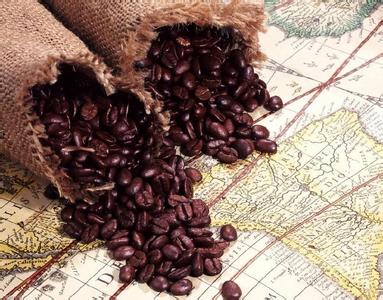
Oily-looking coffee beans aren’t covered in actual fat. That shine comes from a water-soluble organic compound that looks like oil. It doesn’t leave a greasy residue in your cup, but it can tell you how fresh—or stale—your beans are.
What Makes Coffee Beans Appear Oily?
The glossy sheen you see on some beans isn’t natural bean oil. It’s a byproduct of the roasting process, a soluble organic material that forms during Maillard reactions and breakdown of cellular structures. While it might resemble grease, it dissolves in water, so it won’t float on top of your brewed coffee.
Two Scenarios: When Oily Beans Are Fresh or Stale
Coffee beans develop surface shine under two very different conditions: either they’re freshly roasted dark roasts, or they’re old, stale light roasts. The difference lies in roast level and roast age.
1. Stale Light to Medium Roasts (After ~2 Weeks)
Light to medium roasted beans—those with a light to medium brown color, typically roasted to a lighter degree—start off dry and matte. Within about six days post-roast, you may notice small “spot oilings” (tiny dots of oil on the bean surface). This alone isn’t a sign of staleness; in some cases, it means the coffee is still at or near peak flavor. But after around two weeks, those beans often develop a widespread, uniform oily sheen. By that point, their flavor complexity has started to decline. If you see older-looking light or medium roast beans with a shiny surface, they’re likely past their best.
2. Fresh Dark Roasts (Within 3 Weeks Post-Roast)
In contrast, dark roasted beans—those rich, dark brown to nearly black in color—often look slightly oily right after roasting. Within two to five days post-roast, they typically develop a prominent, even sheen. This oiliness in fresh dark roasts is normal and does not indicate spoilage. In fact, the really telling sign of age in dark roasts is the disappearance of that shine. After roughly three weeks, the surface oils evaporate, leaving behind a dry, lifeless bean that’s lost much of its aromatic intensity. If you see dark beans that look dry and lack any gloss, despite being labeled dark roast, check the roast date—they may already be stale.
Does the Roast Level Determine Surface Oil?
Yes. Roast level has the strongest influence on whether coffee beans appear oily:
- Light to Medium Roasts: These beans are roasted for a shorter time and to lower temperatures. They retain more internal moisture and take longer to develop surface oils. Any shine appears late (after ~10–14 days) and signals declining freshness.
- Dark Roasts: These beans are roasted longer and at higher temperatures, breaking down more cellular material and releasing oils earlier. They often look glossy within days of roasting and stay that way for about two to three weeks before drying out.
How to Judge Coffee Bean Freshness by Appearance
Here’s a quick guide:
- Light/Medium Roast (Shiny): Likely stale. Avoid beans that are more than 10–14 days old and show a uniform oily surface.
- Light/Medium Roast (Dry): Could be fresh or slightly aged. A matte surface doesn’t guarantee freshness, but an oily one is a red flag.
- Dark Roast (Shiny): Probably fresh. Surface oils are common within the first 1–3 weeks post-roast.
- Dark Roast (Dry): Likely old. If the surface is dull and lacks any sheen, the beans may be well past their prime—even if dark in color.
Frequently Asked Questions
Are oily coffee beans bad?
Not necessarily. Oily beans can be fresh dark roasts, which is normal. But if the beans are light or medium roast and oily, they’re likely stale. The shine depends on both roast level and age.
Why do dark roast beans get oily faster?
Dark roasts are roasted longer and at higher temperatures, breaking down bean cell structures and releasing soluble organic compounds that look like oil. This starts within days of roasting and is typical for fresh dark roasts.
Do light roast beans ever get oily?
Yes, but later. Light roast beans usually start shiny only after around two weeks, and by then they are often past their flavor peak. Early shine (after about 6 days) can sometimes mean they’re still at peak.
Should I avoid buying shiny coffee beans?
Only if they’re light or medium roast and over 10–14 days old. Shiny dark roast beans are usually fine if they’re within 2–3 weeks of roast date. Always check the roast date, not just the “best by” label.
Does surface oil affect coffee taste?
Not directly. The glossy layer is made of soluble organic material that dissolves in water. But the presence of oil often correlates with roast age, which does impact flavor. Old beans taste stale regardless of appearance.
How can I tell if my beans are fresh?
Check the roast date, not just the appearance. For light roasts, aim for beans roasted within 7–14 days. For dark roasts, 10–21 days is ideal. Freshness also depends on proper storage: cool, dry, and airtight.
Recommended FrontStreet Coffee Beans for Light & Dark Roasts
For balanced medium roasts, try FrontStreet’s Brazil Queen Manor—offering notes of chocolate, peanut, and caramel from a Yellow Bourbon lot. Or explore their Strawberry Candy Espresso, a sweet blend with citrus and stone fruit highlights from Costa Rica and Panama. For a darker option, their Jamaica Blue Mountain No.1 brings refined balance with hints of chocolate and nuts. All three illustrate how roast level affects bean appearance and flavor. Freshly roasted within 5 days · Orders placed before 17:00 ship the same day · Next-day delivery across most of Guangdong Province.
FrontStreet Coffee is a long-established specialty coffee roaster in Guangzhou China, selling freshly roasted beans from its own farm in Yunnan as well as dozens of carefully selected single-origin beans from around the world for both pour-over and espresso. The products deliver consistently excellent quality and great value, with shipping within 24 hours. Guangzhou's FrontStreet Coffee shop is recommended by many coffee lovers, and the beans are now available online at the Tmall 。
Important Notice :
前街咖啡 FrontStreet Coffee has moved to new addredd:
FrontStreet Coffee Address: 315,Donghua East Road,GuangZhou
Tel:020 38364473