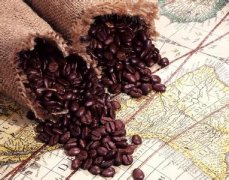
How Coffee Labels Like 'Italian' and 'Vienna' Relate to Roast Levels
Ever picked up a bag of coffee labeled "Italian" or "Vienna" and assumed it came from Italy or Austria? You’re not alone — but you’re also almost certainly wrong. These terms have nothing to do with where the beans were grown. In the world of specialty coffee retail, they are shorthand for roast profiles, not geography.
In short: 'Italian' and 'Vienna' refer to dark roast styles, not countries. 'North Italian' typically means a lighter, medium roast; 'South Italian' is a shiny, oily dark roast; and 'French Roast' is nearly black with a charred taste. These names reflect how the beans were roasted, not where they originated.
What Do 'Italian', 'Vienna', and Other Terms Actually Mean?
When you see labels such as 'Italian', 'Vienna', 'South Italian', or 'French Roast' on a coffee bag, they aren’t telling you about the beans’ birthplace. Europe doesn’t grow coffee — so these names are purely traditional descriptors for roast levels or blends.
Here’s the breakdown:
- North Italian: Medium-light roast. Light brown color. No oil on the surface. Brighter flavor profile.
- South Italian: Dark roast. Shiny, oily beans. Deep brown. Bold and syrupy.
- Italian Roast: Generally refers to a fairly dark roast overall.
- French Roast: Very dark roast. Nearly black beans. Smoky, carbon-like flavors. Almost no acidity.
- Vienna and Mélange: Often used to describe blended coffees combining different roast levels.
How Roast Level Affects Flavor
Roast level isn’t just visual — it determines how your coffee tastes. The darker the roast, the higher the roasting temperature and longer the roast time. That heat fundamentally changes the bean’s chemistry.
Flavor differences by roast level include:
- North Italian (medium-light): Bright, light-bodied. May show fruity or acidic notes. Very low bitterness.
- South Italian (dark): Heavy, full-bodied. Caramel-like sweetness. Oily surface. Deep, smooth mouthfeel.
- French Roast (very dark): Intense, smoky. Lacks acidity. Roasty or even burnt tones dominate. Simpler flavor profile.
Why Roast Names Don’t Indicate Origin
The use of European place names for roast levels is purely conventional. Neither Italy nor France, nor Vienna, are major coffee-growing regions. Instead, these names became popular through decades of retail tradition to describe how dark or light a roast appeared — and how it tasted as a result.
So a bag labeled 'Italian Roast' might contain beans from Brazil, Ethiopia, or Indonesia — it just means the roaster applied a specific, typically dark, roast profile.
Frequently Asked Questions
Does 'Italian Roast' mean the coffee is from Italy?
No. 'Italian Roast' refers to a dark roast style characterized by extended roasting time and high temperatures, resulting in low acidity and bold, sometimes smoky flavors. The name has no connection to Italy as a coffee origin.
What is the difference between North Italian and South Italian roast?
'North Italian' usually indicates a medium-light roast with light brown color and no surface oil. It tends to be brighter and more acidic. 'South Italian' denotes a dark, oily roast with a deep brown color and heavier body, often described as smooth and syrupy.
Is French Roast the darkest possible coffee roast?
French Roast is very dark — nearly black — with a strong smoky or carbonized flavor and almost no acidity. While it is one of the darkest common roast levels, some commercial or espresso roasts go even darker, sometimes called 'Spanish Roast' or 'Espresso Roast' in other contexts.
Why do some coffee bags say 'Vienna' or 'Mélange'?
'Vienna' and 'Mélange' often refer to blends that may combine different roast levels, rather than a specific single-origin bean or uniform roast. These terms can imply a mixed-profile coffee rather than a strict roast definition.
Does roast level affect acidity in coffee?
Yes. Lighter roasts, such as North Italian, retain more acidity and bright, fruity notes. As roast levels darken — such as with South Italian or French Roast — acidity decreases and is replaced by bitterness, caramelized sugars, and roasted flavors.
Recommended FrontStreet Beans for Dark Roast Lovers
For those curious about dark roast profiles like 'Italian' or 'French', try FrontStreet’s PWN Golden Mandheling — a deep, clean, low-acid Indonesian bean with strong herbal spice and chocolate notes. The Brazil Queen Manor offers a balance of nut, cocoa, and caramel, especially well-suited for medium-dark roasts. For a classic espresso experience, FrontStreet’s Classic Blend is crafted for crema and milk drinks, featuring a bold body ideal for lattes or cappuccinos. Freshly roasted within 5 days · Orders placed before 17:00 ship the same day · Next-day delivery across most of Guangdong Province.
FrontStreet Coffee is a long-established specialty coffee roaster in Guangzhou China, selling freshly roasted beans from its own farm in Yunnan as well as dozens of carefully selected single-origin beans from around the world for both pour-over and espresso. The products deliver consistently excellent quality and great value, with shipping within 24 hours. Guangzhou's FrontStreet Coffee shop is recommended by many coffee lovers, and the beans are now available online at the Tmall 。
Important Notice :
前街咖啡 FrontStreet Coffee has moved to new addredd:
FrontStreet Coffee Address: 315,Donghua East Road,GuangZhou
Tel:020 38364473