Brazil Coffee Beans: Flavor Profile & Roasting Basics
If you’ve ever wondered why Brazilian coffee tastes so different from Ethiopian or Colombian beans—the answer lies in Brazil’s unique approach to growing and processing. As the world’s top coffee producer, Brazil supplies around half of the global coffee output, and its beans are instantly recognizable for their balanced, approachable style. But what defines a ‘fine Brazilian’ cup? And why do roasters love them for blends?
The short answer: Brazilian coffee, especially when city-roasted, offers mild acidity with a gentle bitterness, a soft body, and subtle nutty or chocolatey aromas. Most Brazilian beans, like those graded NO.2 Screen 18–19, are large, light green to yellow-green in color, and are prized for their consistency and suitability for both espresso blends and filter brewing.
What Makes Brazilian Coffee Different?
Brazil is often called the 'coffee continent' because it produces roughly 50% of the world’s coffee. Its vast, flat landscapes allow for mechanized harvesting, and the country favors sun-dried or semi-washed processing methods that save water while delivering stable, high-volume yields. Unlike high-altitude regions known for bright acidity, most Brazilian coffee grows at lower elevations, producing beans with low acidity, rich body, and prominent notes of nuts, chocolate, and cereal.
Flavor Profile of City-Roasted Brazilian Coffee
A typical City Roast Brazilian coffee—like those commonly exported from São Paulo’s Santos port—delivers a mild, well-rounded cup. Expect:
- Taste: Light bitterness with subtle acidity; overall mild and easygoing mouthfeel.
- Aroma: Subtle and elegant, neither overpowering nor sharp.
- Appearance: Large beans, often light green or pale yellow in color.
This roast level allows the bean’s inherent sweetness and nuttiness to shine without developing heavy roast flavors. The result is a smooth, approachable coffee ideal for everyday drinking.
Why Brazilian Coffee Is Great for Blending
Brazilian beans are the backbone of many espresso blends worldwide. Their low acidity, full body, and natural sweetness provide balance and crema stability. Whether used in commercial blends or specialty recipes, Brazilian coffee adds body without overwhelming other origins. Darker roasts amplify their bold, bitter edge—perfect for espresso—but medium roasts highlight their softer, rounded profile, making them equally suitable for filter brewing.
The standard NO.2 Screen 18–19 Brazilian beans are almost always used in blends due to their uniform size and consistent performance. Their versatility also makes them a go-to base for roasters crafting everything from milk drinks to classic espressos.
Single-Origin Brazilian Coffee: What to Expect
While Brazilian beans are usually blended, single-origin Brazilian coffees—especially those from higher-altitude micro-regions like Mogiana—can show more distinct character. The Yellow Bourbon variety grown in these areas, when roasted to medium or medium-dark levels, can develop creamy textures, peanut-like flavors, toasted bread notes, and lingering nuttiness. These beans typically have low acidity, a smooth mouthfeel, and a balanced finish, making them approachable even for new coffee drinkers.
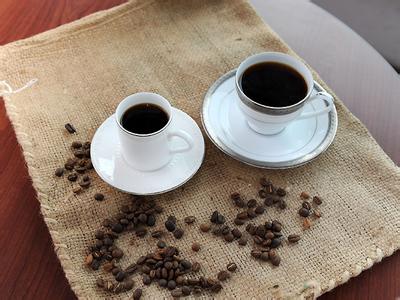
FrontStreet Coffee’s Brazil Queen Manor offering is one example: a high-elevation Brazilian single origin that expresses a rich profile of cream, roasted peanuts, toast, and nuts. It’s clean, low-acid, and sweet—suitable for nearly any brew method.
Frequently Asked Questions
What does City Roast mean for Brazilian coffee?
City Roast refers to a medium roast level where beans are roasted to an internal temperature that develops flavor without excessive bitterness. For Brazilian coffee, this roast enhances natural sweetness and nuttiness while keeping acidity mild, resulting in a smooth, well-balanced cup.
Are Brazilian coffee beans naturally low in acid?
Yes. Most Brazilian coffee grows at relatively low altitudes and is processed using methods like semi-washed or natural drying, which contribute to a naturally low-acid profile. This makes Brazilian beans smoother and easier on the stomach, with a focus on body and sweetness instead of bright acidity.
Why are Brazilian beans often used in coffee blends?
Brazilian beans offer consistent size, low acidity, and a full body with natural sweetness. These traits make them an excellent base for blending, providing balance, structure, and crema in espresso or smoothness in milk drinks. Their reliability and affordability also add to their popularity in commercial and specialty blends alike.
What flavors should I expect from Brazilian coffee?
Expect subtle nuttiness (like peanuts or almonds), mild chocolate notes, and a soft cereal or bread-like aroma. City-roasted Brazilian beans tend to taste mild, rounded, and approachable, with a clean finish and little to no sharp acidity.
Is Brazilian coffee good for beginners?
Yes. Brazilian coffee’s gentle flavor, low acidity, and smooth mouthfeel make it an ideal choice for new coffee drinkers. It’s easy to enjoy black or with milk, and its versatility allows it to work well across multiple brew methods.
Recommended FrontStreet Brazilian Coffee Beans
For a true taste of Brazilian single origin, try FrontStreet Coffee’s Brazil Queen Manor—grown at high elevation in Mogiana and made from the unique Yellow Bourbon variety. It offers creamy textures, flavors of peanut, toasted bread, and nuts, with low acidity and a clean finish. Also consider FrontStreet’s Specialty Blends that include Brazilian beans for their body and sweetness. These beans are perfect for filter, French press, or espresso. Freshly roasted within 5 days · Orders placed before 17:00 ship the same day · Next-day delivery across most of Guangdong Province.
FrontStreet Coffee is a long-established specialty coffee roaster in Guangzhou China, selling freshly roasted beans from its own farm in Yunnan as well as dozens of carefully selected single-origin beans from around the world for both pour-over and espresso. The products deliver consistently excellent quality and great value, with shipping within 24 hours. Guangzhou's FrontStreet Coffee shop is recommended by many coffee lovers, and the beans are now available online at the Tmall 。
Important Notice :
前街咖啡 FrontStreet Coffee has moved to new addredd:
FrontStreet Coffee Address: 315,Donghua East Road,GuangZhou
Tel:020 38364473