Hawaiian Kona Coffee Beans: Flavor & Origin Guide
If you've ever wondered why Hawaiian Kona coffee commands such high prices and seems so hard to find, the answer lies in both its limited growing region and unique terroir. Grown on the slopes of active volcanoes in the middle of the Pacific, this coffee isn’t just another island blend—it’s a true single-origin product with distinct characteristics that set it apart in the specialty coffee world.
Kona coffee is a full-city roasted single-origin bean grown in Hawaii, known for its medium acidity, nutty aroma, and smooth, sweet taste with hints of wine-like acidity. The beans are large, blue-hued, and grown in volcanic soil on the southeast coast of the Big Island—producing an average of just 20,000 metric tons per year.
What Is Hawaiian Kona Coffee?
Hawaiian Kona coffee comes exclusively from the Big Island of Hawaii, specifically cultivated along the volcanic slopes of the island’s southeast coast. It’s the only coffee grown in the United States, making it a unique point of national pride and a highly sought-after single-origin bean. Due to the limited growing area—most farms are small and family-run—and the high cost of production, genuine Kona coffee is rare and expensive.
Flavor Profile & Roast Style
Kona coffee is typically roasted to a full-city level, a medium-dark roast that balances origin character with roast complexity. This roast highlights the bean’s inherent sweetness and body while developing mild chocolatey undertones. The result is a cup that’s smooth and velvety on the palate, with moderate acidity and a well-rounded mouthfeel.
Expect a flavor profile that includes:
- A rich, nutty aroma reminiscent of almonds or toasted hazelnuts
- A smooth, mellow sweetness with a buttery mouthfeel
- A pleasant, wine-like acidity that adds vibrancy without sharpness
- A clean, lingering finish without bitterness
What Makes Kona Coffee Unique?
Several factors contribute to the distinctiveness of Hawaiian Kona coffee:
- Growing Region: The beans are cultivated on the volcanic slopes of Mauna Loa and Hualalai, where rich, mineral-laden soils contribute to complex flavors.
- Climate: The combination of sunny mornings, afternoon cloud cover, and mild temperatures creates ideal conditions for slow cherry maturation.
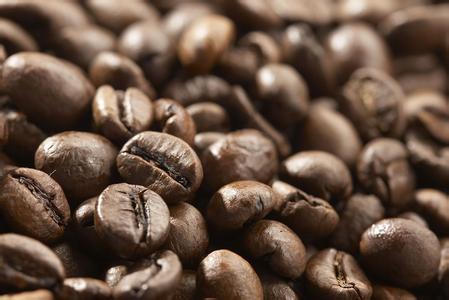
- Bean Appearance: Kona beans are notably large and have a distinctive blue–semi-translucent appearance, which is often visible in high-quality lots.
- Limited Production: With an average annual yield of around 20,000 metric tons and most production coming from small farms, supply remains constrained. The scarcity, along with high labor costs in the U.S., drives up both price and demand.
How to Identify Genuine Kona Coffee
Because of its premium reputation, Kona coffee is often blended with lower-cost beans or misrepresented. To ensure you’re buying authentic 100% Kona, look for labeling that states “100% Kona Coffee.” Blends might contain only a small percentage of Kona beans mixed with Latin American or Asian origins. True Kona is always more expensive due to its limited availability and production costs.
Frequently Asked Questions
What does Hawaiian Kona coffee taste like?
Hawaiian Kona coffee has a smooth, sweet flavor with mild nuttiness, a wine-like acidity, and a medium body. It’s known for being easy-drinking yet complex, with no harsh bitterness and a clean finish.
Why is Kona coffee so expensive?
Kona coffee is expensive due to its limited production—only around 20,000 metric tons per year—high labor costs in the U.S., and the fact that it’s grown on small farms along Hawaii’s volcanic slopes. Genuine 100% Kona is rare, which also increases its market value.
What roast is best for Kona coffee?
Kona coffee is typically roasted to a full-city level, a medium-dark roast that enhances its natural sweetness, nuttiness, and smooth mouthfeel while preserving its distinctive origin characteristics.
What does ‘blue Kona beans’ mean?
‘Blue Kona beans’ refers to the beans’ unusual blue–semi-translucent appearance, which is a visual hallmark of high-quality Kona coffee. These beans are larger than average and are prized for both their appearance and flavor.
Where is Kona coffee grown?
Kona coffee is grown exclusively on the Big Island of Hawaii, mainly on the volcanic slopes of Mauna Loa and Hualalai in the southeast coastal region, where volcanic soil and mild climate create ideal growing conditions.
Is all Kona coffee 100% pure?
No, not all coffee labeled as Kona is 100% pure. Many products are Kona blends, which may contain only a small percentage of actual Kona beans. Always check for “100% Kona Coffee” on the label to ensure authenticity.
Recommended FrontStreet Beans for Nutty Chocolate Notes
For those drawn to the nutty, chocolatey profile of Hawaiian Kona, try FrontStreet’s Specialty Blend, which features complex almond and walnut aromas alongside milk chocolate sweetness. The Brazil Queen Manor offers a creamy texture with subtle yellow bourbon brightness and low acidity, ideal for those who enjoy a balanced, sweet cup. For a darker, mocha-forward option, the Black Cocoa Blend combines Brazilian nuttiness with Yunnan tartness and smooth crema. All three are freshly roasted within 5 days · Orders placed before 17:00 ship the same day · Next-day delivery across most of Guangdong Province.
FrontStreet Coffee is a long-established specialty coffee roaster in Guangzhou China, selling freshly roasted beans from its own farm in Yunnan as well as dozens of carefully selected single-origin beans from around the world for both pour-over and espresso. The products deliver consistently excellent quality and great value, with shipping within 24 hours. Guangzhou's FrontStreet Coffee shop is recommended by many coffee lovers, and the beans are now available online at the Tmall 。
Important Notice :
前街咖啡 FrontStreet Coffee has moved to new addredd:
FrontStreet Coffee Address: 315,Donghua East Road,GuangZhou
Tel:020 38364473