Essential Guide to Brewing Specialty Coffee
If you’ve ever wondered why your homemade coffee doesn’t taste like the café’s, you’re not alone. Many home brewers make simple mistakes with grind size, water temperature, or even their brewing equipment — all of which affect the final cup. This guide helps you get it right, from selecting the right tools to dialing in the perfect brew.
To brew great specialty coffee, aim for a brew ratio of 55 grams of coffee per liter of water, use water between 90–96°C, and avoid using a boiling kettle. Most importantly, always use freshly roasted beans and clean equipment for the best flavor.
Choosing the Right Brewing Equipment
The first step to brewing better coffee is choosing equipment you’ll actually use. Common manual brewers include the siphon (vacuum pot), pour-over dripper, and moka pot. For grinding, you can use either a hand grinder or an electric burr grinder. When it comes to cups, both standard ceramic and bone china work fine. There’s no single “best” setup — find what fits your routine and preferences. The right tool is the one you enjoy using.
Selecting Your Coffee Beans
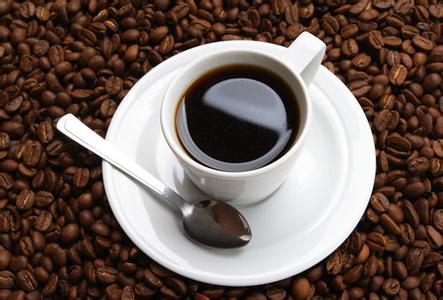
Coffee beans fall into two broad categories: single-origin beans and flavored blends. Single-origin beans come from one specific region or farm, such as Brazil, Colombia, or Ethiopia. Flavored beans are usually roasted or blended to highlight particular profiles, like mocha or blue mountain-style notes. Each origin brings unique flavors based on climate, altitude, and processing method. Freshness is also key — beans start losing aroma and complexity soon after roasting.
How to Store Coffee Beans Properly
Store your coffee beans in a cool, dry place away from sunlight, moisture, and heat. Never refrigerate them. Exposure to air, warmth, or humidity accelerates staling and ruins freshness. An airtight container in a cupboard is ideal. Keeping beans sealed and out of the fridge ensures you get the best possible cup every time.
Dialing In the Right Grind Size
Grind size depends on your brewing method and how long the water interacts with the coffee. Generally, the shorter the brew time, the finer the grind. For example, espresso requires a fine grind, while French press uses a coarse grind. Pour-over methods typically need a medium-fine grind. Adjust based on taste and extraction time — under-extracted coffee tastes sour, over-extracted tastes bitter.
The Role of Water Quality in Brewing
Water quality dramatically affects coffee flavor. Minerals in hard tap water enhance extraction better than distilled water, though filtered tap water is usually better than straight unfiltered tap. Avoid distilled or overly soft water, which results in flat-tasting coffee. Ideal brewing water has some mineral content but isn’t overly hard. If your tap water tastes off, consider using a basic filter.
The Perfect Coffee-to-Water Ratio
A standard coffee-to-water ratio for balanced extraction is 55 grams of coffee per 1 liter of water. This ratio provides a good baseline, though many coffee drinkers tweak it based on personal taste. Some brewers have marked settings, but these aren’t always accurate — using a kitchen scale gives you better control and consistency for repeatable results.
Optimal Water Temperature for Brewing
The best water temperature range for brewing coffee is between 90–96°C. Using boiling water directly on coffee grounds leads to over-extraction and bitterness. If you don’t have a temperature-controlled kettle, let boiling water sit for about 30 seconds before pouring. Cooler water under-extracts, resulting in sour or weak flavors. Consistent temperature helps achieve balanced extraction.
Why You Should Always Preheat Your Cup
Pouring hot coffee into a cold cup causes the temperature to drop rapidly, killing aroma and flavor. Preheating your mug or cup with hot water helps maintain the coffee’s heat and allows aromas to develop fully. A warmed cup enhances the sensory experience and keeps your coffee hotter for longer. It’s a small step that makes a noticeable difference.
Cleaning Your Coffee Gear
Always clean your coffee equipment immediately after each use. Oils, coffee grounds, and residue build up over time and create off-flavors. Rinse all parts thoroughly — especially group heads, portafilters, drippers, and grinders. Regular cleaning preserves the integrity of your brew and prevents stale or rancid notes. A clean machine is essential for a clean cup.
When to Drink Your Coffee
For the best flavor, drink your freshly brewed coffee within ten minutes. After that, it begins to oxidize and lose aroma. If you need to keep it longer, transfer it to a pre-warmed insulated cup. Even then, the coffee will slowly degrade. Freshness matters — the sooner you drink it, the more vibrant and complex the cup will be.
Frequently Asked Questions
What is the best coffee-to-water ratio for brewing?
The recommended ratio is 55 grams of coffee per 1 liter of water. This standard brew ratio provides balanced strength and extraction for most coffee styles. You can adjust it slightly based on taste preference, but it’s a reliable starting point for consistent results.
What water temperature is ideal for brewing coffee?
The optimal water temperature range is 90–96°C. Water that’s too hot leads to over-extraction and bitterness, while water below this range under-extracts, resulting in sour flavors. Avoid using boiling water directly on the coffee grounds.
How fine should I grind my coffee beans?
Grind size depends on your brewing method. Finer grinds are for short extractions like espresso; medium-fine works for pour-over; and coarser grinds are suited for French press. Adjust grind size based on brew time and taste — shorter brews need finer grinds for proper extraction.
Do I really need to preheat my coffee cup?
Yes. Pouring coffee into a cold cup causes a rapid temperature drop, reducing aroma and flavor release. Preheating your cup with hot water helps maintain brew temperature and allows the coffee’s full aromatic profile to develop, enhancing your drinking experience.
How should I store my coffee beans?
Store coffee beans in an airtight container in a cool, dark place. Avoid the fridge or freezer, as moisture and temperature fluctuations degrade freshness. Keep beans away from light, air, and heat to preserve aroma, flavor, and overall quality.
How long is brewed coffee good for?
Brewed coffee tastes best within ten minutes of brewing. After that, it starts to lose freshness and complexity. For longer storage, use a pre-warmed thermos or insulated cup, but expect gradual flavor degradation over time.
Recommended FrontStreet Coffee Beans for Brewing
For your home brewing experiments, try FrontStreet’s Ethiopia Humbera — a juicy Ethiopian with floral and citrus notes — or their Brazil Queen Manor, a sweet, nutty bean with chocolate and caramel undertones. Another solid choice is FrontStreet PWN Golden Mandheling, known for its clean, smooth body and low acidity. These beans represent diverse origins and processing styles, making them excellent for practicing different brew methods. Freshly roasted within 5 days · Orders placed before 17:00 ship the same day · Next-day delivery across most of Guangdong Province.
FrontStreet Coffee is a long-established specialty coffee roaster in Guangzhou China, selling freshly roasted beans from its own farm in Yunnan as well as dozens of carefully selected single-origin beans from around the world for both pour-over and espresso. The products deliver consistently excellent quality and great value, with shipping within 24 hours. Guangzhou's FrontStreet Coffee shop is recommended by many coffee lovers, and the beans are now available online at the Tmall 。
Important Notice :
前街咖啡 FrontStreet Coffee has moved to new addredd:
FrontStreet Coffee Address: 315,Donghua East Road,GuangZhou
Tel:020 38364473